
ANALYSIS
The fastest growing city in BC became a battle ground after years of neglect of city infrastructure and services.
by Rumneek Johal, Executive Editor
October 28, 2026
The BC Conservatives secured a decisive victory this past weekend, sweeping much of the Lower Mainland and all ten ridings in Surrey.
While the victory means a number of new and returning Conservative MLAs in the legislature — some with controversial and questionable views — many are wondering what changes are to be expected from the party’s first 100 days in office.
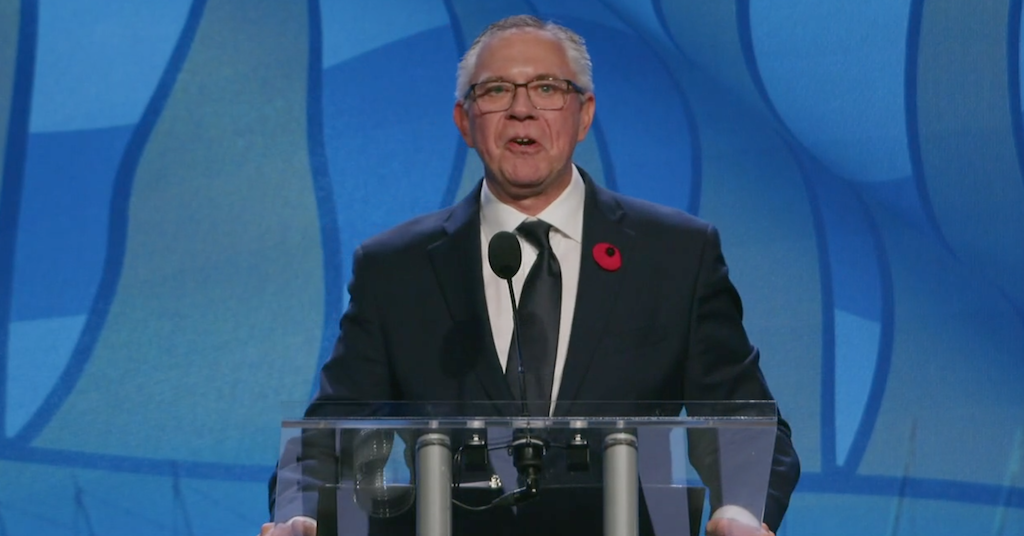
Doerkson himself has said provincial finances, a pipeline and repealing DRIPA are priorities.
But in Surrey, constituents are expecting transformative changes to make up for what has felt like years of neglect across a number of policy areas, said Mohkam Singh Malik, member of Surrey’s Liveability, Social Equity and Public Safety Committee.
“The reason why Surrey flipped has nothing to do with ideology or one single person. It more so has to do with the kind of visceral frustration that the community was feeling,” Malik told PressProgress.
“I would count myself among those voices to say, ‘hey, you promised us a lot and we haven’t seen anything.’ Even though the NDP were matching all of the Conservative promises, kind of promise for promise, they weren’t seeing any traction.”
Four ridings in Surrey were previously strong BC NDP ridings: Surrey-City Centre, Surrey-Newton, Surrey-Guildford, and Surrey-Fleetwood.
During the campaign, Doerkson made big promises for the city, including building an additional skytrain to Newton, completing the Cloverdale Hospital, building a women’s hospital and creating a 10-lane George Massey bridge to replace the tunnel — scrapping the NDP’s plan for an eight-lane replacement tunnel.
Malik pointed out that Surrey, despite being BC’s fastest growing city, is often left behind in terms of public infrastructure and services when compared to other parts of BC.
“9 in 10 Vancouver residents have access to transit within 10 minutes of where they live. But it’s 25%, so 3 and 10 if you round up, in Surrey,” Malik said.
Under the BCNDP, construction began on a number of public works projects in the city. The Cloverdale hospital and cancer centre, which broke ground in 2023, is expected to be completed in 2030. It will be Surrey’s second hospital. Neighbouring Vancouver currently has six hospitals.
The Surrey-Langley skytrain has also begun construction and Simon Fraser University’s School of Medicine, located in Surrey city centre, was completed and welcomed its first students this year.
While the NDP has made leeway in building new schools in the province, public school teachers say that more investment is needed into public education, particularly in Surrey, where there are still over 300 portables.
Malik pointed out that if there was equity in terms of services in Surrey compared to other parts of the province, the city wouldn’t have been such a pivotal provincial battle ground.
“It’s an electoral issue because you [the government] feel we can go without,” he added.
“When we started talking about healthcare, and we started talking about portables, and we started talking about insurance — if you don’t do something about it, you’re going to have to fall on your sword,” Malik said.
Surrey often isn’t on the radar of politicians until elections roll around, and Malik said that in order to earn the continued support of Surrey residents, elected officials need to live up to big promises and contribute to people having “pride in place.”
“We like living here and we worked hard to. A majority of Surrey residents are homeowners, so you work hard to live in your own home. Yet when you say ‘I’m from Surrey,’ someone winces, and that is not something that politicians are looking to solve right now.”
Now, Malik said what remains to be seen is if the party actually follows through, or if Surrey gets left behind once again.
“Our city is growing to where we want it to be, and I think that’s one of the reasons people bought into Doug McCallum’s global city message, because they were like, ‘Yeah, I want to be proud of where I live.’”
Our journalism is powered by readers like you.
We’re an award-winning non-profit news organization that covers topics like social and economic inequality, big business and labour, and right-wing extremism.
Help us build so we can bring to light stories that don’t get the attention they deserve from Canada’s big corporate media outlets.