
Nurses – whether they’re working in hospitals, long-term care homes or for community agencies – remain in demand.
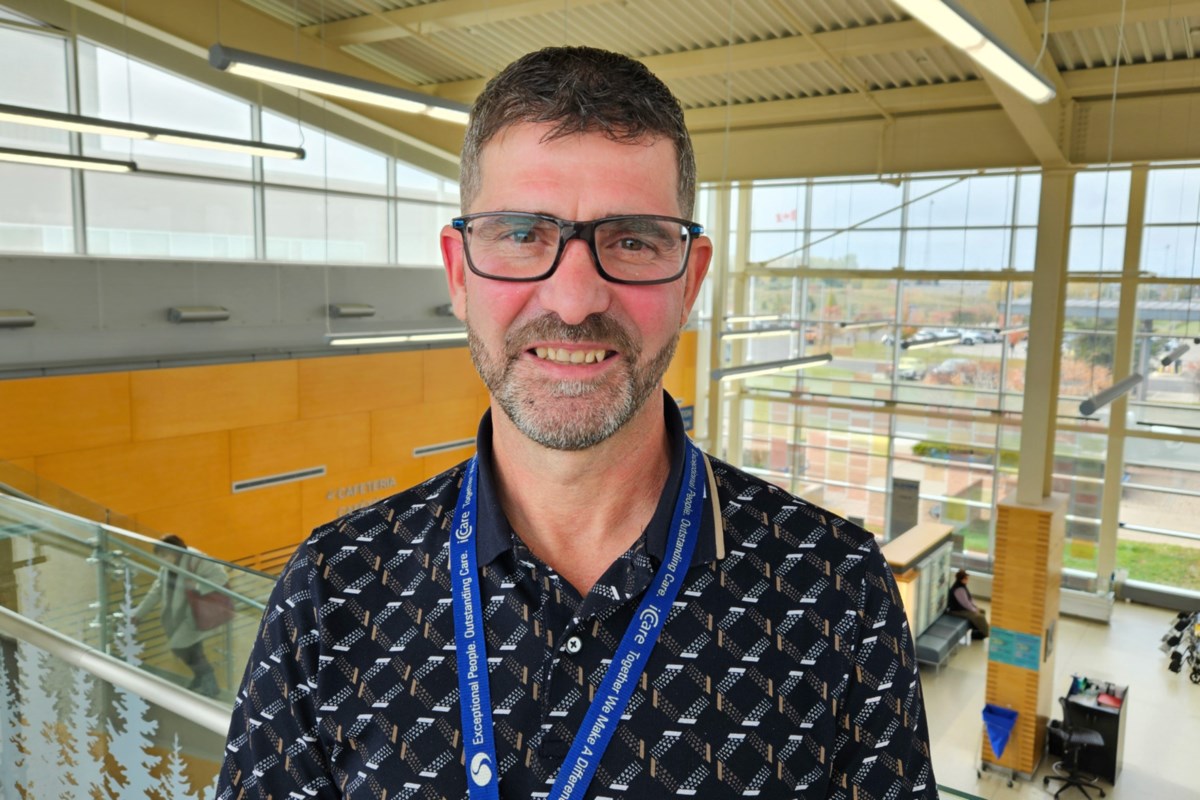
“We constantly do recruiting at Sault Area Hospital,” said Kent Mousseau, a registered nurse and SAH clinical director of medicine, critical care, and the stroke program.
“For example, on the inpatient medicine floor we recruit anywhere between 20 to 25 nurses a year because we’re constantly rotating them.”
“They’ll practice in acute medicine for two or three years, then they will move on and do educational opportunities, become an emergency room nurse, a critical care nurse or work in another department,” Mousseau told SooToday.
There are many areas in which a professionally-trained nurse can work.
“There’s rehabilitation, complex continuing care, cancer care, renal care, there’s long-term care,” Mousseau said.
Nurses aren’t always found in hospitals, nursing homes or home care though.
“You can also get into the education part and the research part. Nursing provides multiple opportunities. I know some nurses who are now nurse practitioners, and they’ve moved on to be doctors. You can get into research and education. Some are nursing professors at Sault College. There’s a wide variety of things you can do in nursing,” Mousseau said.
Nurses are in very high demand in Sault Ste. Marie for several reasons, including a province-wide need for health-care workers in Ontario and a backlog of medical procedures that need to be done.
According to the Government of Canada’s Job Bank website the employment outlook for registered nurses in northeastern Ontario for the 2025-2027 period is listed as ‘very good.’
Registered Nurses (RNs) make $28 to nearly $59 per hour depending on experience and which unit a nurse works.
Registered Practical Nurses (RPNs) make $25 to $39 per hour.
Nurse Practitioners (NPs) make $125,000 per year on a full-time basis.
Though new RNs sometimes find it difficult to secure full-time employment, they’re certainly likely to at least get their foot in the door easier in northern Ontario.
“The hospital’s great at offering support and continuing education,” Mousseau said.
“A lot of it is done while you’re on the job in the hospital. Somebody takes you under their wing. When you become a nurse and you get hired at Sault Area Hospital you go through an onboarding process and then you have your preceptor on the floor.”
It’s handy to have Sault College nursing grads nearby, Mousseau said.
Sault College offers extensive nursing education, including a four-year nursing degree program, a two-year practical nursing diploma program as well as certificates in nephrology and an online elective in public health for nursing students.
“We have Sault College nursing students come here and we get to know them. They’ll do rotations on our post-acute floors and then to our acute floors. You’ll have your rotation in mental health, you’ll have your rotation in pediatric, you’ll have your rotation in critical care or in patient medicine or the surgical floor and you’ll get to decide ‘this is what I want to do,’” Mousseau said.
“For me, I wanted a career in which I could make a real difference in people’s lives.”
A graduate of Sault College’s nursing program in the 1990s, Mousseau has been a nurse for 28 years.
With extensive experience working as a nurse in the U.S. before returning home to the Sault to work at SAH, Mousseau has worked in the hospital’s intensive care unit, the renal department and as a supervisor in SAH’s patient flow department.
Patient flow involves a patient’s journey from entry, through treatment, transfer, and eventual discharge.
“I have multiple certificates in advanced cardiovascular life support (ACLS), pediatric advanced life support (PALS), neonatal resuscitation, and trauma nursing courses. Those are courses you take and certificates you earn within nursing. It’s continuous learning.”
Compassion is an essential quality for anyone thinking of becoming a nurse, Mousseau said.
Resiliency is also vital.
“You need to be a good listener, a good communicator, and work well with the team, and have critical thinking skills. You need to be able to adapt to ever-changing circumstances. You have to pivot in the moment. It’s never a boring job. You never come in knowing ‘this is what my day is going to be like.’ It’s ever-changing.”
“You’re always there to help people, whether you’re helping them in times of good or helping them in times of distress. For me it’s very rewarding, purposeful work. You have to have a passion for it. You have to love people and you have to love the work.”
“I enjoy knowing at the end of the day, when leaving the building, that I’ve helped someone in their life and made a positive difference.”