
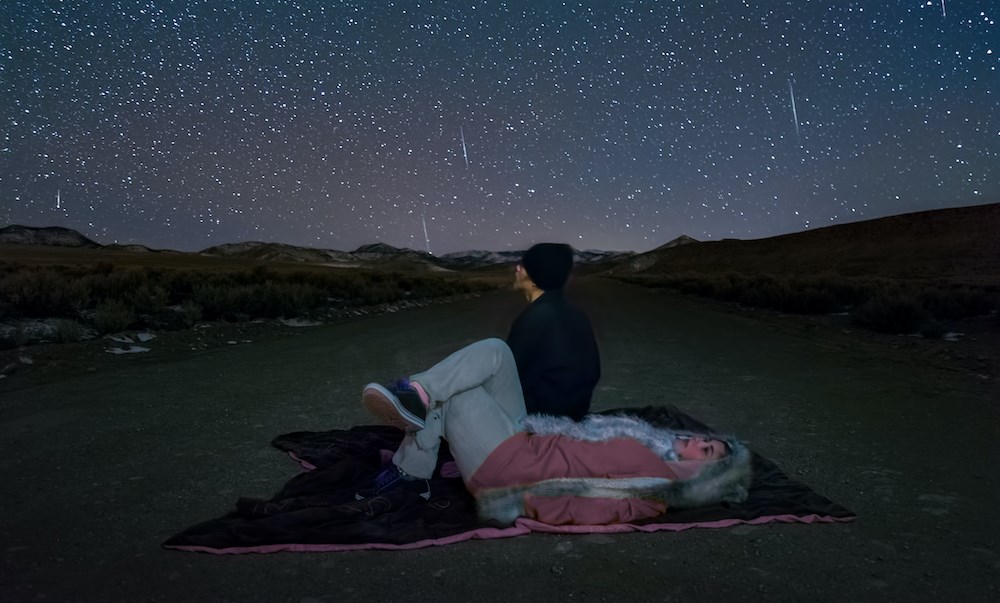
The fireballs may appear to leave long tails behind them in the sky.
Following the Orionid meteor shower’s peak on Oct. 25, stargazers have several celestial events to look forward to in November.
Three active meteor showers were active in October, but the third, the Northern Taurids, won’t peak until Nov. 12. It will continue to produce shooting stars until about Dec. 10, providing plenty of opportunities for sightings.
The Southern Taurids are also active during this time and are actually a two-month-long shower with a double peak. The first peak occurred in October, but another, known for producing “fireballs,” occurs on Nov. 4 to 5.
The shower’s peak isn’t known for being particularly productive, with around 10 shooting stars hourly. But it is known for fireballs, which are significantly brighter meteors with “larger explosions of light and colour that can persist longer than an average meteor streak,” according to NASA.
The American Meteorological Society says fireballs carry the same brightness as the “planet Venus in the morning or evening sky.”
Some people report seeing vivid colours because the brightness is “great enough to fall well within the range of human colour vision.” Some even report hearing “sonic booms, and electrophonic sounds,” but very rarely.
Additionally, these bright, large meteors move slower than others. The shower’s meteors strike “Earth’s atmosphere at the relatively leisurely pace of around 17 miles per second (27 kilometers per second), meaning they can be visible longer than most meteors and leave glowing trails,” according to Livescience.com.
Metro Vancouver weather: Leonid Meteor shower
But Rosanna Tilbrook, an astronomer at the H.R. MacMillan Space Centre, says the best shower isn’t either of these.
“The best November meteor shower is the Leonids, which will be active from the 6th to the 3rd of November, peaking around the 18th,” she tells Vancouver Is Awesome.
“Observers will be able to see up to 13 meteors per hour at this point, with the best viewing opportunity coming in the dawn skies after the Moon has set below the horizon,” Tilbrook says.
The Leonid meteor shower kicks off on Nov. 3 and carries through Dec. 2. It can also produce “bright meteors with a high percentage of persistent trains” that are referred to as earth grazers.
They streak close to the horizon and often have long, colourful tails. It also produces fireballs.
Fall meteor shower hunting tips in Metro Vancouver
To fully enjoy the spectacle, here are a few tips for meteor hunting:
If possible, head away from city lights to view fainter meteors. Find darker skies in the countryside or at high elevations.
If you need a flashlight, place a red filter over the bulb (a red balloon will do in a bind). White light is very blinding and may affect your night vision.
Dress warmly. It is still a good idea to bring warm (even winter) clothes.
Sit back and relax on a reclining chair or lie down on a blanket. Skywatching is more comfortable lying down, and you’ll also see more that way.
Pack a thermos of hot chocolate or coffee — it will come in handy if you start to drift off or get a little chilly!
Be patient. It might take a while before you see your first shooting star. Don’t give up — it’s worth the wait!