
As of Nov. 1, the changes are expected to reduce access to specialty support and increase waits between appointments with the clinic, based on Bowen Island
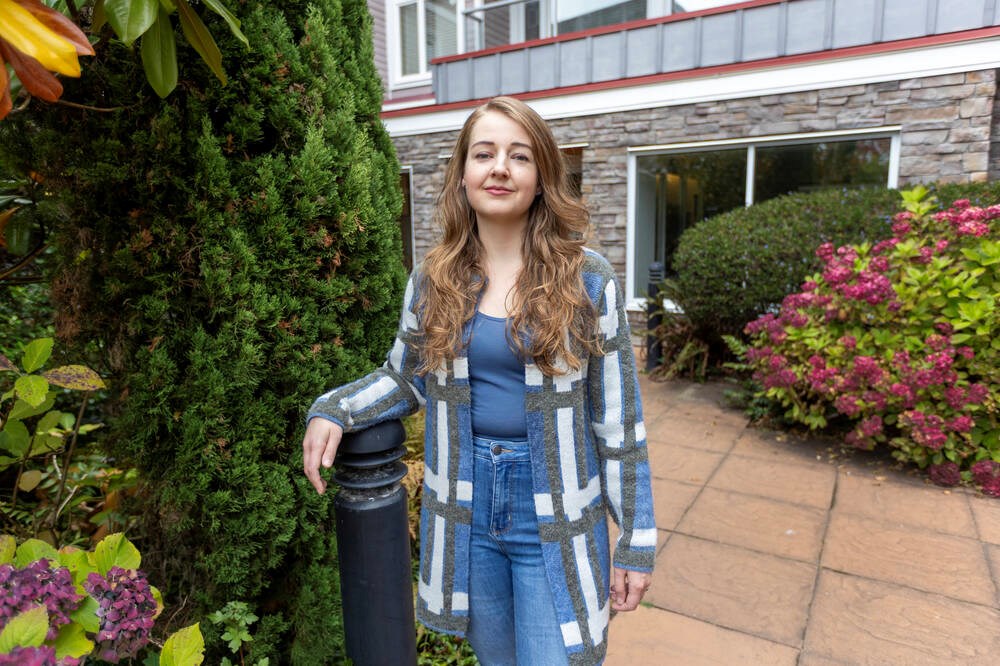
The summer before she got COVID-19, Karen Price spent 10 days backpacking on Mount Edziza in northern B.C.
The ecologist and forest policy worker from Salt Spring Island spent most of her time outdoors before contracting the disease in September of 2022, leaving her bed-bound for months.
Price tested positive for 16 days and spent the next six months in bed, struggling to breathe.
“At that point, GPs didn’t really know about long COVID,” she said, adding that she ended up doing much of the research about the illness and its treatment options on her own.
Eventually, she was referred to the B.C. Centre for Long COVID, ME/CFS & Fibromyalgia, based on Bowen Island.
It offers virtual care for patients across the province who struggle with neuroimmune and metabolic conditions, which have similar symptoms and management strategies.
Like long COVID, myalgic encephalomyelitis (also called chronic fatigue syndrome) and fibromyalgia can cause severe exhaustion, brain fog, sleep issues and chronic pain.
A recent B.C. Centre for Disease Control study found that more than 320,000 people in B.C. have long COVID.
Price watched webinars, learned how to take care of herself, met others with similar stories and attended group sessions, joining video calls from her bed on Salt Spring Island.
She appreciated access to support from specialists in physiotherapy, occupational therapy, nutrition and naturopathy that was offered during virtual sessions.
“Essentially, it gave me hope,” she said.
But as of Nov. 1, changes in Medical Services Plan funding are expected to reduce access to that specialty support and increase waits between doctor appointments with the clinic, which has about 8,500 patients.
Under the changes, the number of patients funded per virtual group will be capped at 30 participants — the clinic currently typically has about 50 per group, although there is no limit — and per-patient reimbursement for service providers will be reduced by 25 per cent.
Dr. Jane McKay, an internal medicine specialist who created the clinic with a colleague in early 2023, says allied providers like occupational therapists will no longer be part of virtual groups because of the funding changes.
McKay said she and the clinic’s four other doctors will still be able to see patients and offer group medical visits, albeit with fewer patients, but weekly special lectures and monthly webinars will end.
Findings of a recent study commissioned by the clinic suggested that it saves the province money on health care, since clinic patients are far more likely to spend time in hospitals or at emergency departments if untreated.
The study, completed by consulting firm MNP, surveyed more than 1,200 patients who visited the clinic between 2020 and 2025.
Kayli Jamieson, a research fellow at Simon Fraser University, said she was attending a national long COVID symposium at the University of British Columbia this month when she found out about the funding changes.
“This goes against all the recommendations patients have shared with us,” she said, noting that a study published last year that she worked on at SFU found that it’s more effective and efficient to provide care in virtual groups than through traditional models.
Jamieson is part of LifeLineBC, a campaign to advocate for the clinic that was launched last year when patients first learned that MSP changes were coming.
The group, which is independent of the clinic, includes researchers like Jamieson who say telehealth group medical visits are a lifeline for patients who are bed-bound or live in remote areas.
Jenna Graczyk has only been a patient at the clinic for a few months, but said it’s already been the “most comprehensive care I’ve ever received.”
The Ladysmith woman struggles with all three of the illnesses the clinic treats.
The 44-year-old former health-care worker has been on long-term disability for years and said the group care made her feel like she was less alone.
“It makes you realize how lonely you were before,” she said.
“I learned more in a one-hour session than any [previous] appointment combined.”
Nicole Ashlee is one of many patients who have been able to go back to work thanks to the clinic.
The Victoria woman became sick with fibromyalgia when she was 17, which left her tired and struggling with brain fog while reading pages from a high school textbook. “I would read it over and over again and none of it would make sense to me.”
The 32-year-old was finally diagnosed with ME/CFS two years ago thanks to the clinic and said it was the first time she “felt heard, understood and really supported.”
Ashlee recovered enough to attend Camosun College part-time to become a bookkeeper, and now owns Granddaughter for Hire, a companionship and support business for seniors in Victoria.
She described her illness as like having a cellphone with a battery issue. “The phone is old, and it never gets a full charge,” she said. “At any second, it could go to zero.”