
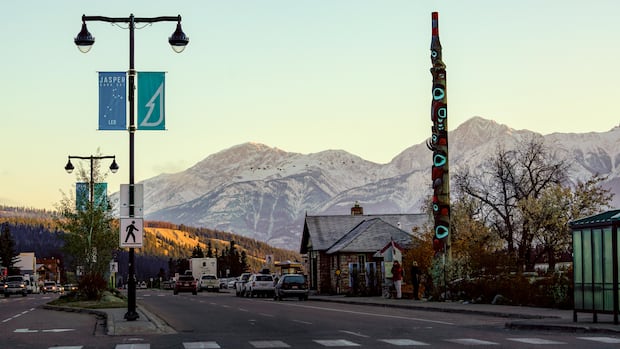
It’s a municipality within a national park, within a province, within a country. Jasper operates differently than any other community in Alberta — even Banff — but that’s set to change.
The municipality is working with Parks Canada to take over local planning and development from the federal agency, something Jasper Mayor Richard Ireland said he has been advocating for since the mid-1990s.
“In order to advance at all, we accepted that limitation knowing that we would come back to it at some point,” said Ireland.
Jasper has all the powers granted under Alberta’s Municipal Government Act except for Part 17, planning and development, which sets the rules for everything from the materials to renovate a porch to major housing developments.
When Banff was incorporated 11 years before Jasper, it negotiated a deal that allowed the municipal council to write its own land-use bylaw.
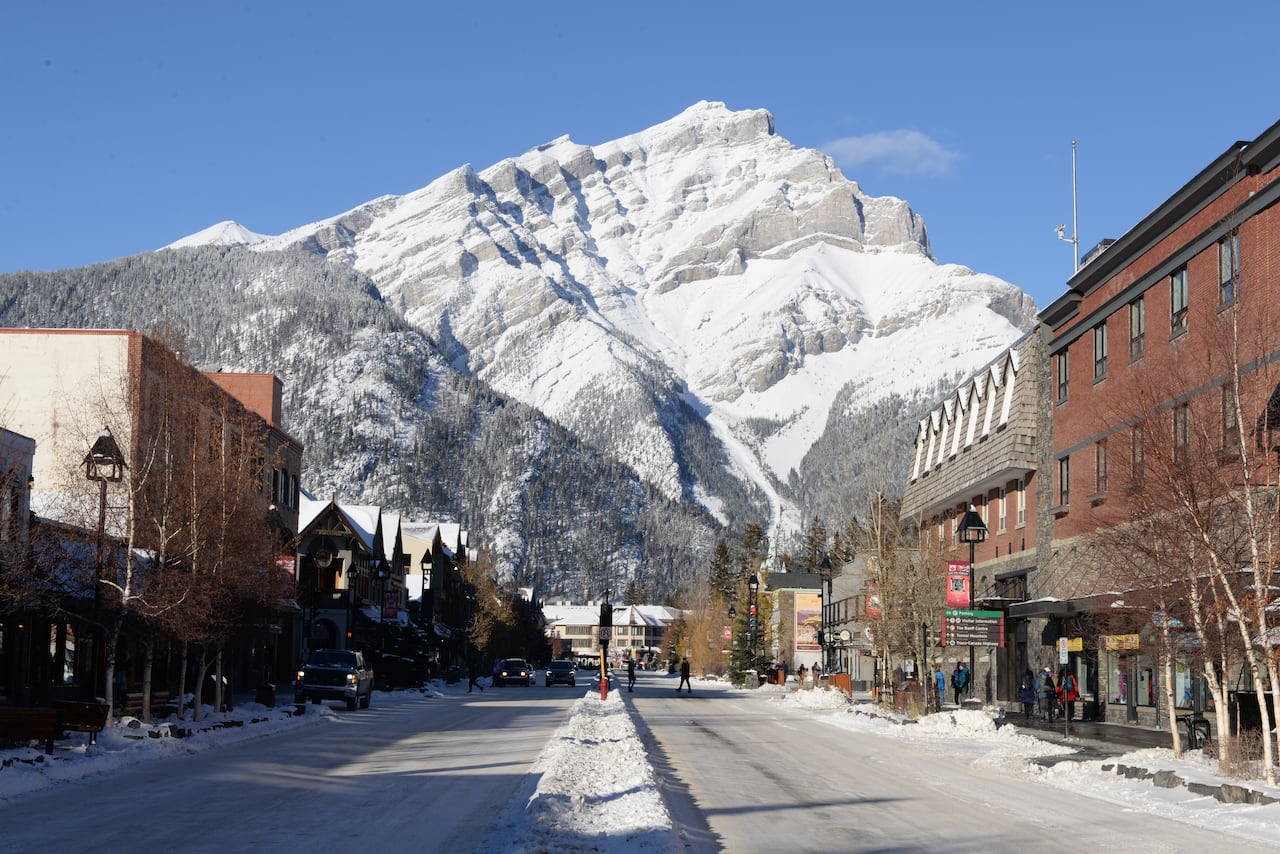
Banff was incorporated in 1990. (Helen Pike/CBC)
The rapid development and commercialization that followed became a “lightning rod for criticism,” Ireland said.
This was often blamed on the municipality, said Leslie Taylor, Banff’s first mayor.
“The town of Banff was perceived to have opened the floodgates for this large development, and that perception was incorrect,” said Taylor. “We’ve never been able to make it go away.”
She said Parks Canada had approved some of the biggest developments, such as Cascade Plaza on Banff Avenue, before the town was incorporated.
The perception of what transpired after Banff took control of land use “absolutely influenced the way Parks Canada dealt with Jasper, because there was pressure from outside sources saying you can’t allow for that to happen again.”
“It was a bit of a smokescreen, in my view,” he said.
Parks Canada did not respond to these comments by the time of publication.
Transfer to increase accountability
Ireland said he’s confident Jasper won’t face the same fate as Banff, which deals with pressures related to its close proximity to Calgary and its international airport.
Council must ensure the town’s structures don’t overwhelm the beauty of the natural environment, he explained.
“The best way to protect that is with locally elected people who are directly accountable to residents.”
Beth Sanders, the director of urban design and standards for the municipality, said Jasper residents will have more say in the rules that affect them after the transfer.
“It’ll be really fun to watch and participate in and support the community as they figure out, ‘Wait a second, I don’t have to be mad at somebody else — I can get involved,’” she said.
The municipality will inherit Parks Canada’s policy as is, and later can make changes through the council process.
Rebuilding with restrictions
Even when authority transfers, two rules under the Canada National Parks Act will continue to limit growth: the town boundary cannot expand, and commercial floor space is capped at 118,222 square metres.
Two hotels absorbed the remaining commercial space following the 2024 wildfire that destroyed a third of the townsite — an event that made questions over planning and development jurisdiction all the more acute.
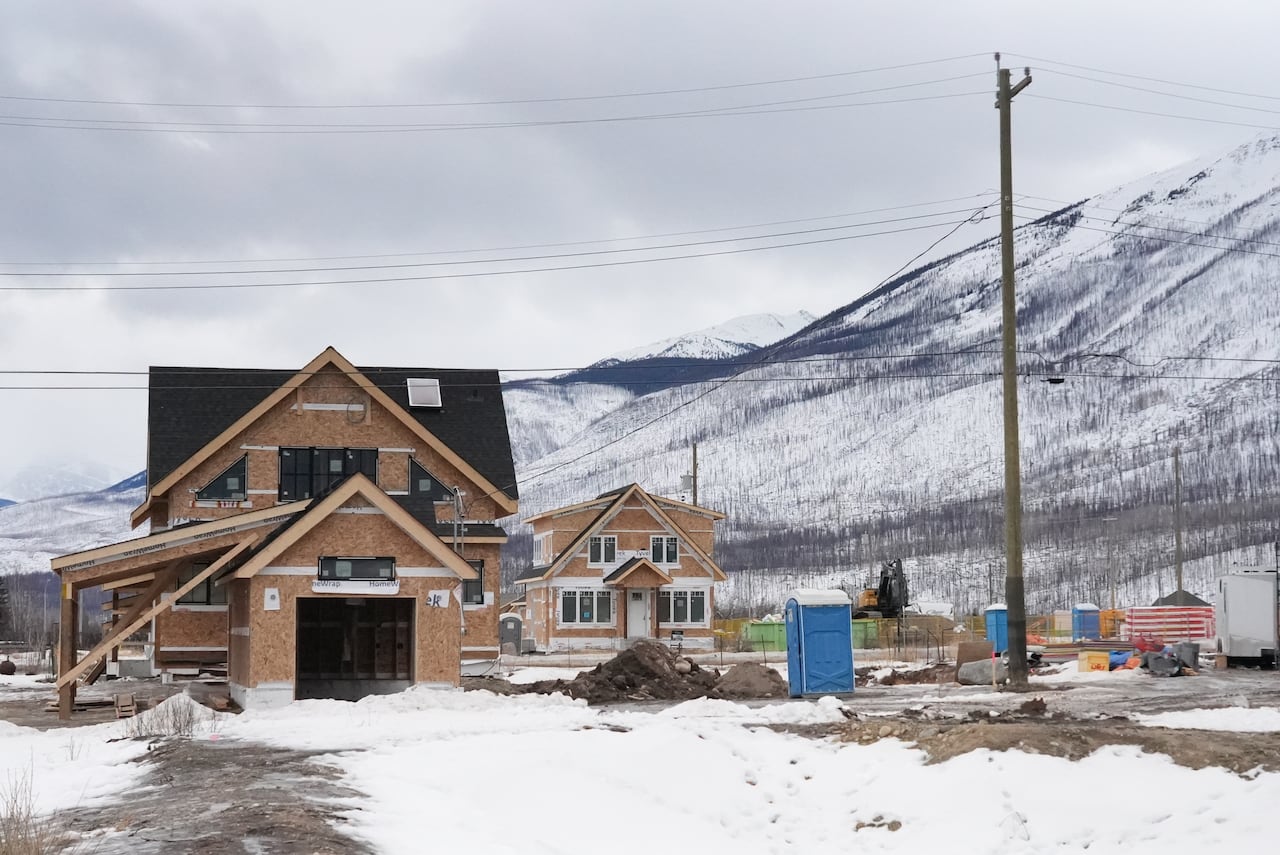
Buildings continue to go up in Jasper National Park after a wildfire ravaged the townsite in 2024. (Maggie Kirk/CBC)
Both federal and municipal leaders are working to densify Jasper’s footprint in the wake of the fire to address the community’s longstanding zero per cent vacancy rate.
Parks Canada has also changed regulations to ensure new structures are more fire-resilient and simplified the permitting process to reduce wait times to an average of 24 days.
But Ireland wonders if the town might have fared better if it had previously overseen land-use rules.
“Had we had control, would we have allowed or mandated cedar shake roofs, for example?” Ireland wondered. “What would we have done with density issues?”
“So many of those questions now have been addressed directly and really quickly in response to the rebuild … but we might have had years to prepare for that had we had control at the local level.”
Next steps
One of the major legislative changes that set the stage for the transfer was the Bill C-76 amendment to the Canada National Parks Act in October 2024.
In a statement to CBC, a Parks Canada spokesperson said for the transfer to proceed, both parties will have to agree on who is responsible for what.
Ireland said he hopes to have an agreement by spring 2027 and to finalize the deal within the next three years. Until then, Parks Canada will continue to process development permits while the municipality prepares to take over operations.
Sanders said her department is making sure it has the capacity to process permits once the transfer is final.
That work will come at an additional cost and could mean a property tax increase, Ireland said.
For him, the democratic value of local control is “perhaps not priceless, but it’s worth a lot to have local accountability.”
“Control over land use and planning is absolutely fundamental to accountability at the local level and how your community grows.”