
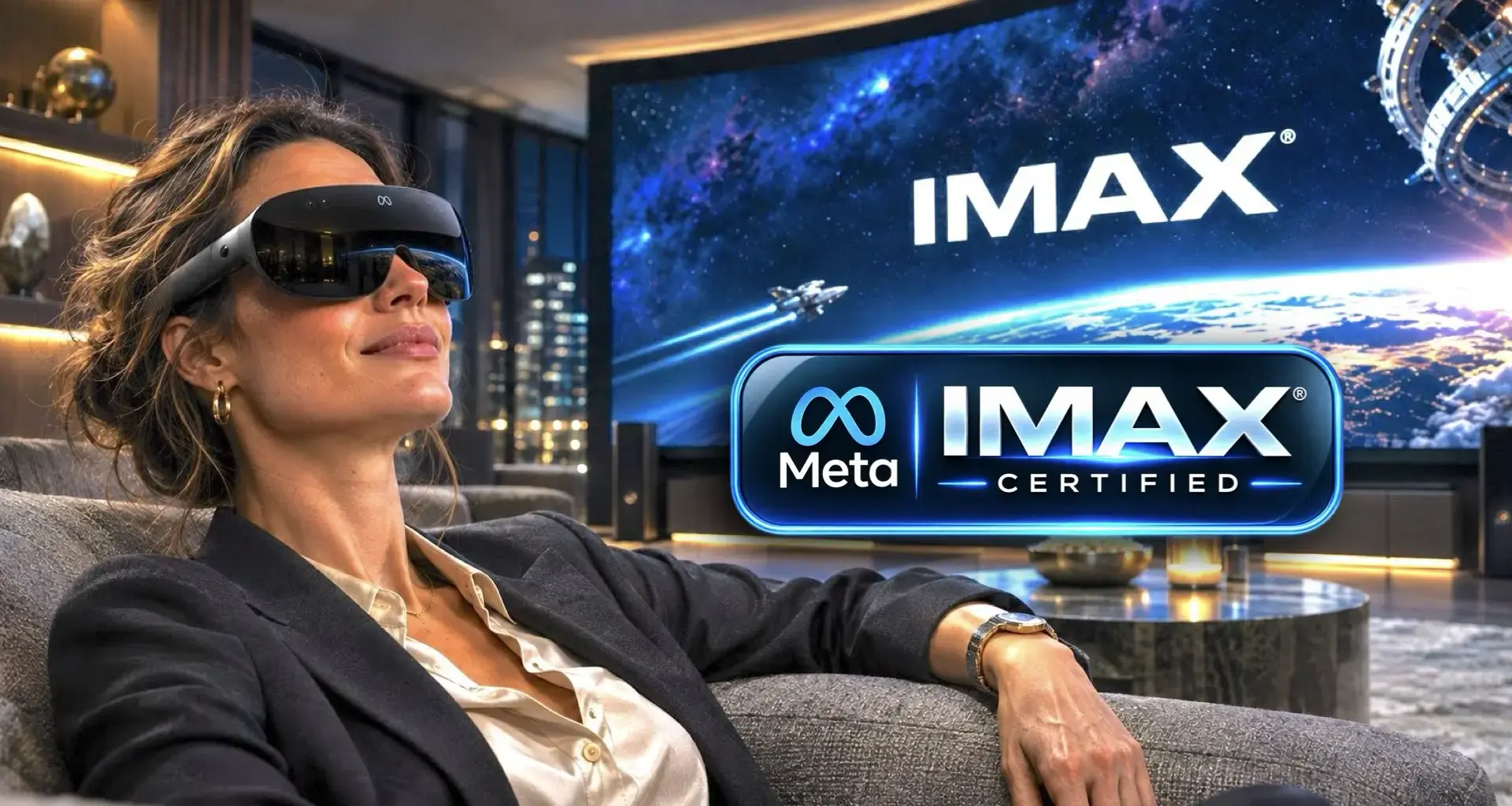
IMAX and Meta are bringing IMAX Enhanced certification to wearable virtual reality for the first time. The upcoming $1,300 Meta VR Glasses promise an enormous virtual cinema, expanded aspect ratios, and immersive sound. However, with a relatively narrow 70-degree field of view, can a pair of lightweight glasses genuinely reproduce the scale and visual impact of an IMAX theater?
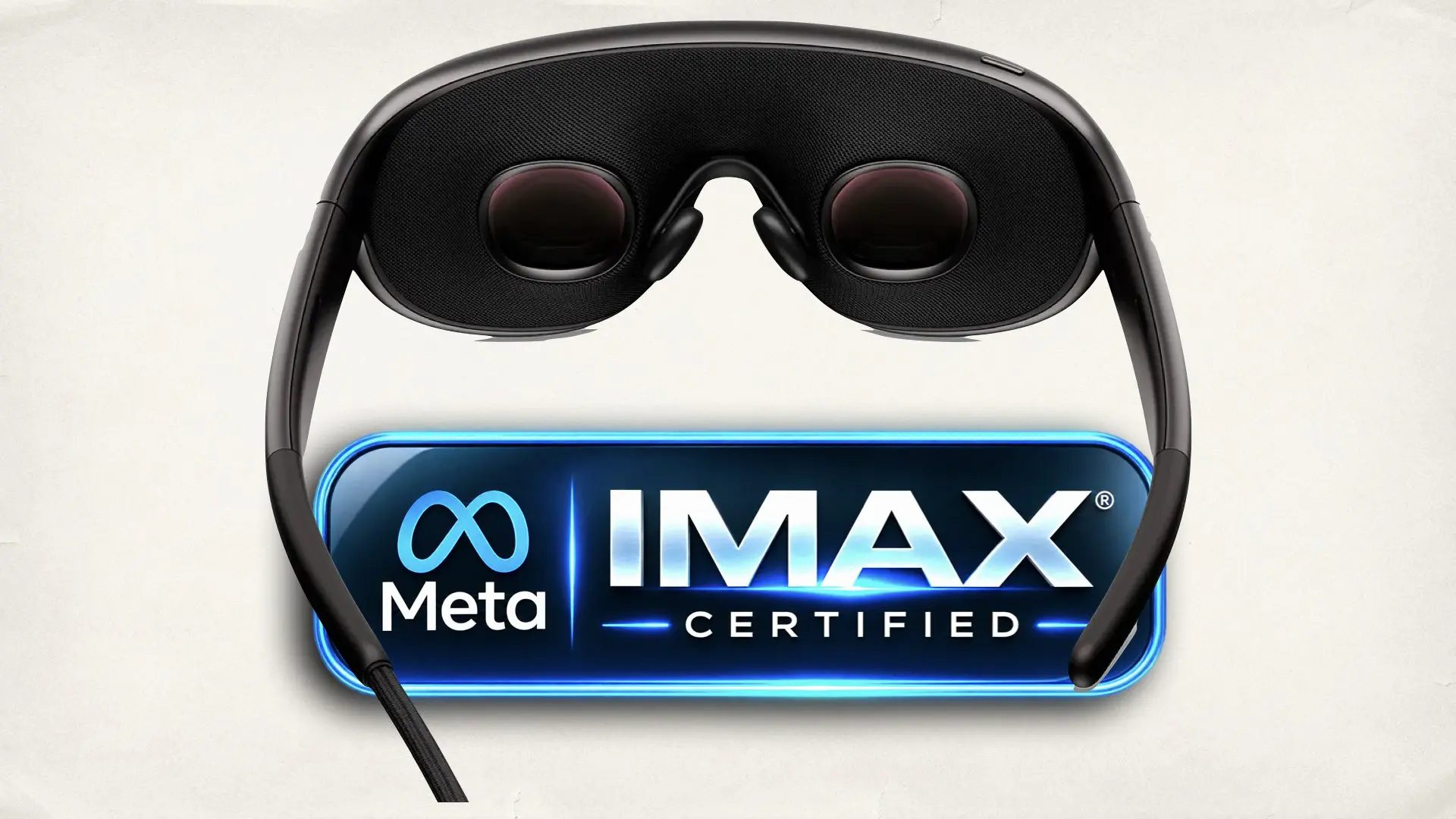 Meta VR Glasses are now IMAX-certified
IMAX and Meta have announced an agreement to make the upcoming Meta VR Glasses the first IMAX Enhanced-certified VR device. Scheduled to launch in spring 2027 for $1,299.99, the glasses will feature an updated IMAX application designed to recreate a premium theatrical environment in virtual reality. According to IMAX, the experience will combine optimized picture quality, immersive audio, and select titles presented in IMAX’s expanded aspect ratios. The idea is straightforward: deliver the feeling of watching a massive IMAX screen without requiring an actual theater. The partnership also represents another step in IMAX’s expansion beyond theatrical exhibition. Its IMAX Enhanced ecosystem already includes televisions, audio equipment, and streaming platforms, including Disney+. Interestingly, Meta initially announced IMAX Enhanced certification when it unveiled the glasses in September 2026. The November agreement provides additional details about the dedicated IMAX experience.
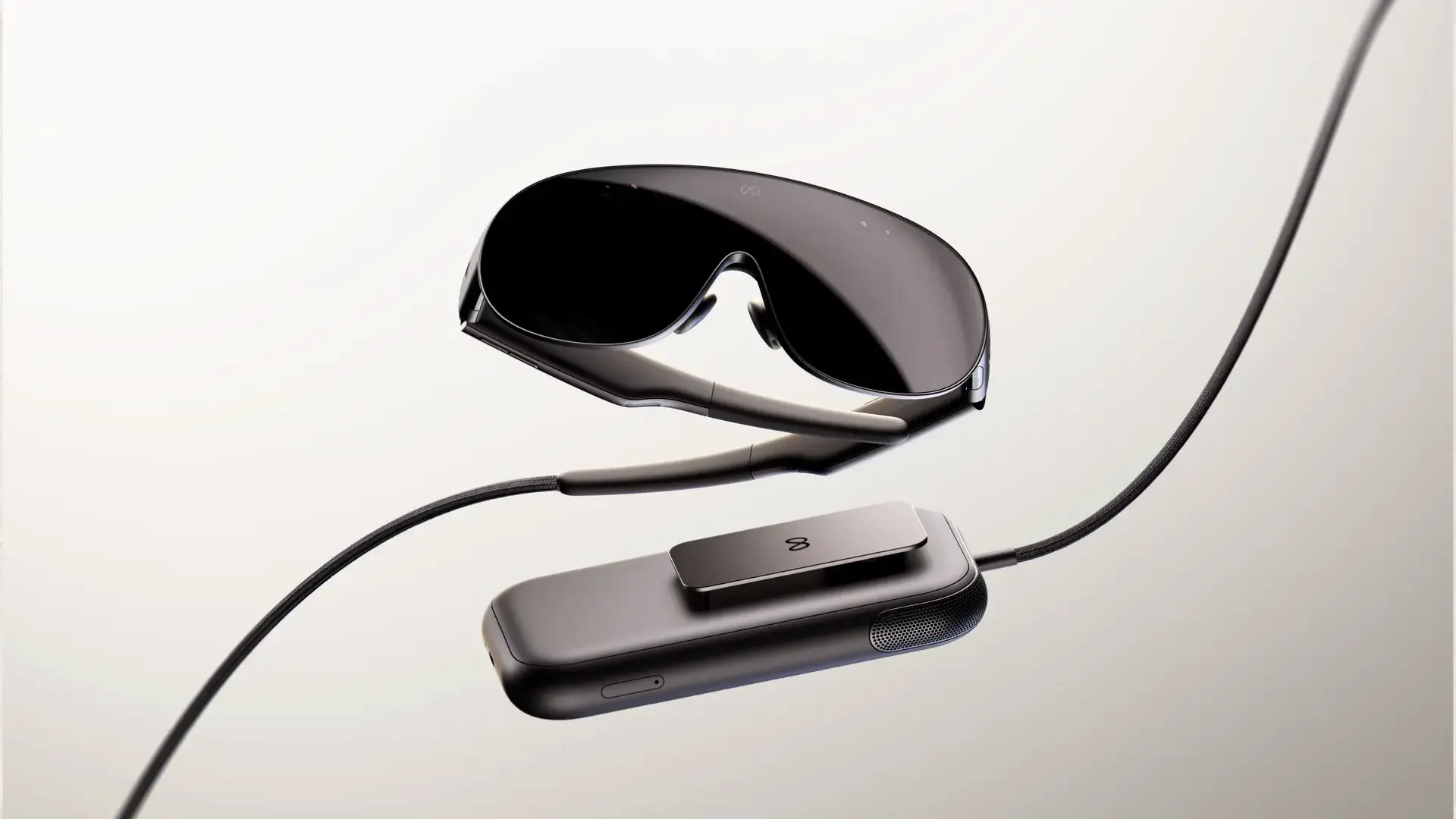 Meta VR Glasses
 are considerably different from conventional VR headsets. Weighing approximately 100 grams, they use an external computing unit and incorporate micro-OLED displays capable of delivering 2,412 × 2,288 pixels per eye. The displays support Dolby Vision, HDR10, and HLG, with a 120Hz refresh rate and an angular resolution of approximately 37 pixels per degree (PPD). That compares favorably with the Meta Quest 3’s 25 PPD, potentially producing a noticeably sharper image. However, there is an important compromise. Meta VR Glasses offer a horizontal field of view of just 70 degrees, compared with approximately 110 degrees on Quest 3. Their vertical field of view is 66 degrees. For conventional productivity applications, that limitation might be acceptable. For an IMAX experience, however, it raises a fundamental question about visual immersion.
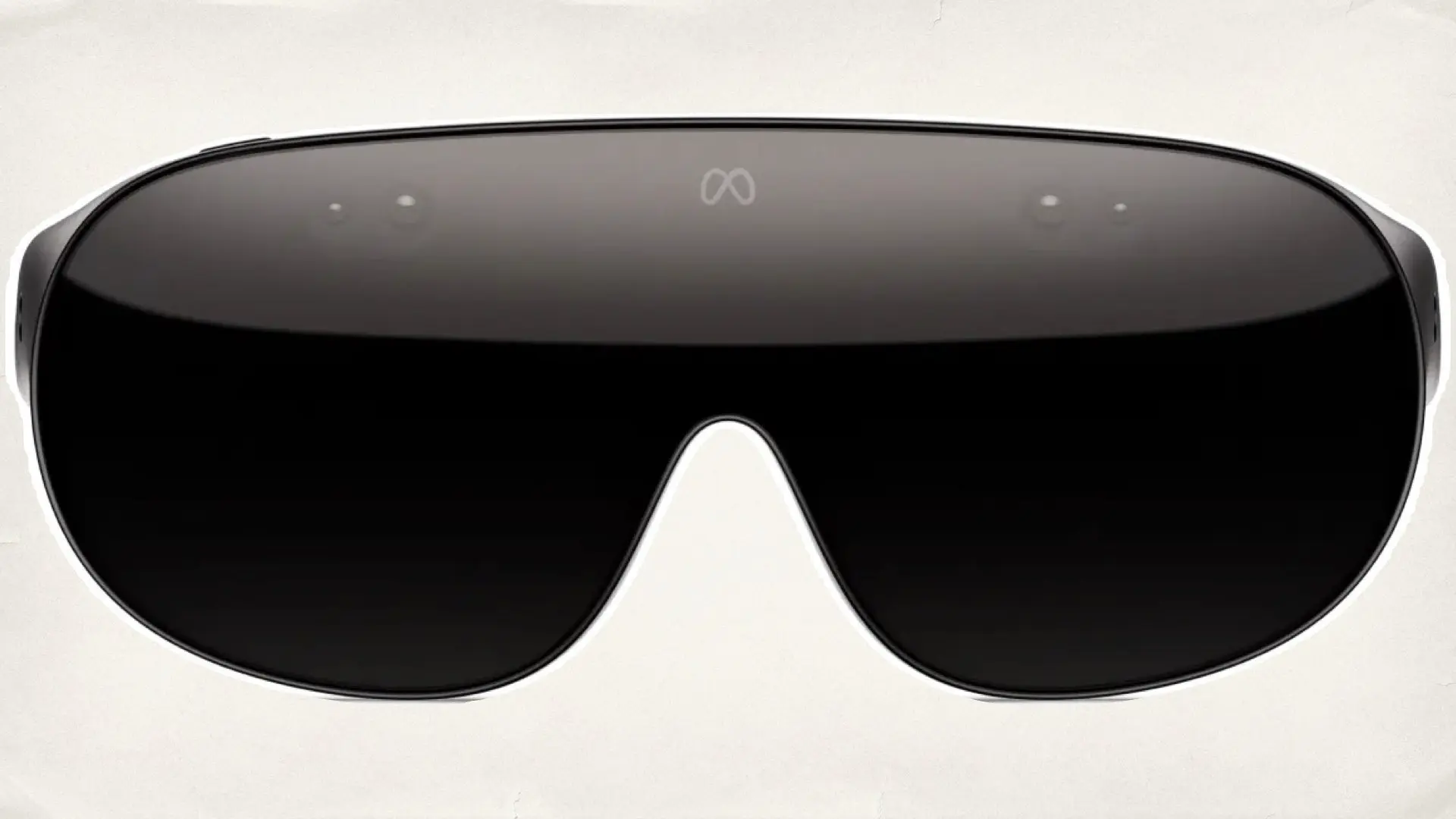 Meta VR Glasses
The defining characteristic of IMAX is not simply image resolution. It is the relationship between image size, viewing distance, screen geometry, and the viewer’s peripheral vision. In a large-format IMAX auditorium, the enormous screen can occupy a substantial portion of the audience’s visual field. This contributes to the sensation of being surrounded by the image, particularly during sequences captured for expanded theatrical presentation. Virtual reality can simulate an enormous screen, potentially hundreds of virtual inches across. But perceived screen size and visible field of view are not the same thing. A virtual screen can appear gigantic while extending beyond the headset’s optical boundaries. Viewers might need to turn their heads to see different sections of the image, potentially compromising the traditional cinematic experience. Alternatively, the entire image could fit comfortably within the available field of view, sacrificing some of the imposing scale associated with IMAX. That is the central technical challenge facing Meta and IMAX. Higher pixel density helps preserve fine image detail, but it cannot compensate entirely for limited peripheral coverage. Nevertheless, field of view alone cannot determine the quality of the experience. Optical clarity, contrast, viewing geometry, and the implementation of the virtual theater will also matter.
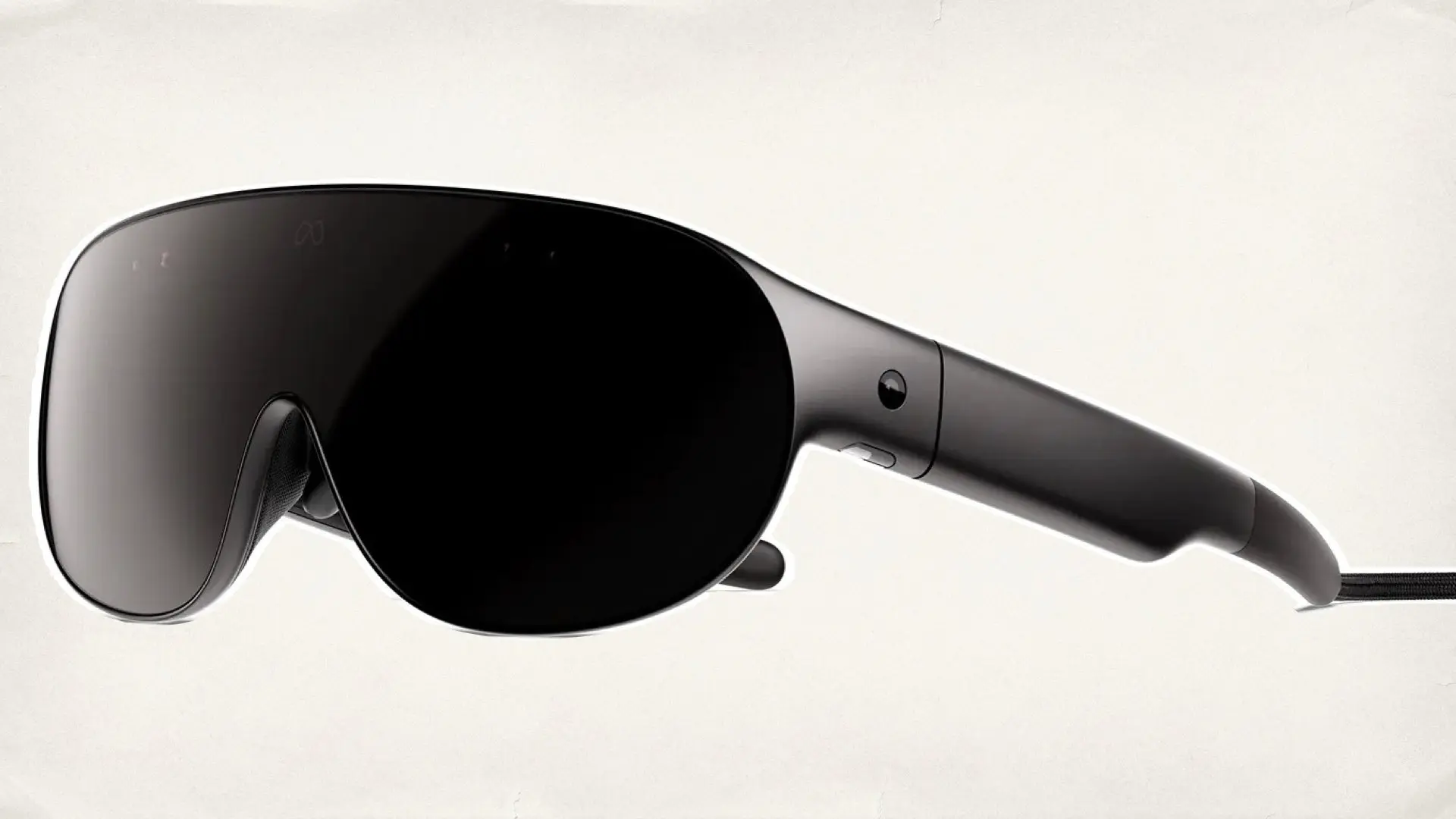 Meta VR Glasses
The IMAX and Meta partnership is significant because it demonstrates how premium theatrical brands are adapting to personal immersive displays. Rather than replacing movie theaters, wearable cinema could establish an entirely different viewing category, combining high-resolution displays, spatial audio, and virtual presentation environments. The $1,300 Meta VR Glasses certainly possess interesting technological foundations. Their micro-OLED displays and high pixel density could make them attractive for premium film consumption. But whether they can deliver the psychological impact and visual scale of IMAX remains an open question. The real test will not be whether Meta can simulate an enormous screen. It will be whether that screen actually feels enormous.
Gear mentioned in this article
Available on Amazon
Prices checked: Nov 13, 2026, 8:09 AM GMT+0000
As an Amazon Associate, Y.M.Cinema earns from qualifying purchases. If you buy through our links, we may earn a small commission at no extra cost to you.
Product prices and availability are accurate as of the date/time indicated and are subject to change. Any price and availability information displayed on Amazon.com at the time of purchase will apply to the purchase of this product.
CERTAIN CONTENT THAT APPEARS ON THIS SITE COMES FROM AMAZON. THIS CONTENT IS PROVIDED “AS IS” AND IS SUBJECT TO CHANGE OR REMOVAL AT ANY TIME.