
This past January, we took advantage of the Yeshiva Week break to spend 9 days in Italy: Venice, Florence, and Rome, with Shabbat in Rome’s Jewish Ghetto. My two boys joined us for the trip during their Yeshiva Week break.
We traveled south from Venice to Florence and then Rome on Frecciarossa high-speed trains. The published operating limits on this route are 220 km/h (135 mph) on the Padua-Venice section, up to 300 km/h (185 mph) on the Bologna-Florence high-speed line, and 250 km/h (155 mph) on the Florence-Rome Direttissima. Our Venice-Florence train took 2 hours 13 minutes, and Florence-Rome took 1 hour 37 minutes. This itinerary covers our meals and sightseeing, including Venice’s original Ghetto and the Arch of Titus in Rome.
Disclosure: Rimon Place and NEMAN Collection invited YeahThatsKosher to experience their properties. The opinions and recommendations below reflect our own stays.

Our route and hotel stays
We traveled from January 18-26, 2026 (Yeshiva Week).
Our route was John F. Kennedy International Airport (JFK) -> Rome Fiumicino Airport (FCO) -> same-day connection to Venice Marco Polo Airport (VCE) -> Frecciarossa train to Florence -> Frecciarossa train to Rome -> FCO -> JFK.
We spent only one night in Venice and two in Florence. The rest of our nights were in Rome, and included Shabbat.
A credit card travel benefit covered one hotel stay, as described below.
Day 1 (Sunday): Arrival in Italy and on to Venice
We flew ITA Airways out of John F. Kennedy International Airport (JFK) on Saturday night (flight AZ611, departing 9:15pm) and landed at Rome Fiumicino Airport (FCO) Sunday around 11:45am. Rather than stopping in Rome first, we immediately switched to a 1-hour ITA flight to Venice Marco Polo Airport (VCE). That gave us a half day in the city right away, letting us start exploring the unique city on water by foot, and we saved Rome for the end of the trip. Booking both legs meant no re-checking bags and an easy start.
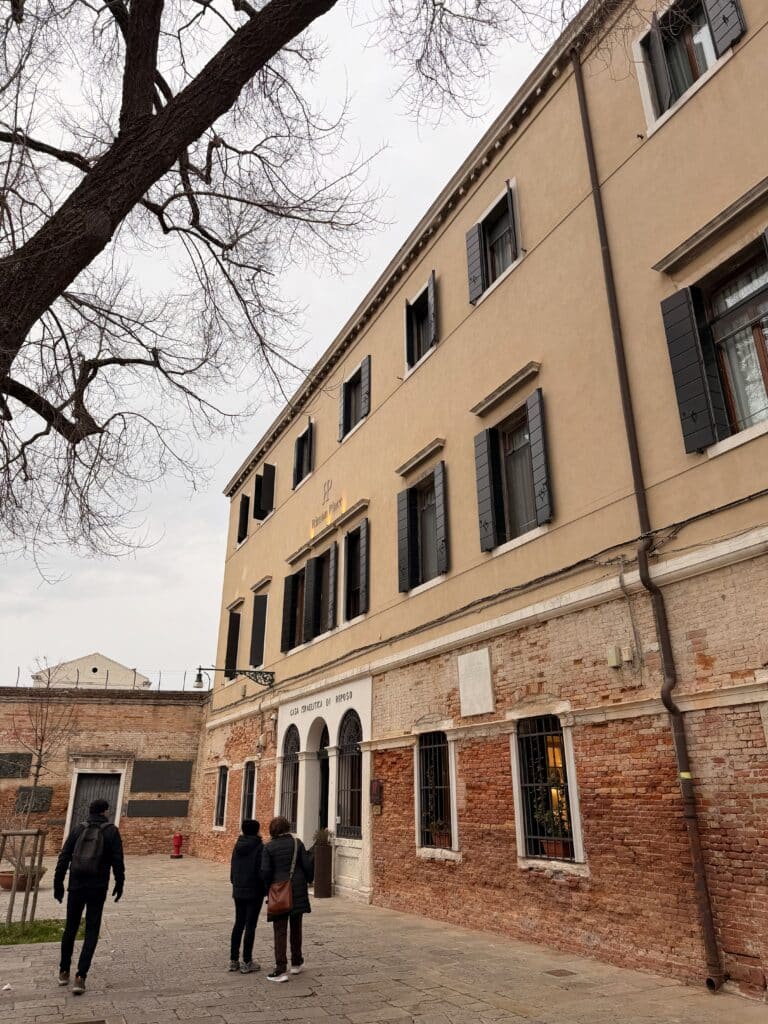
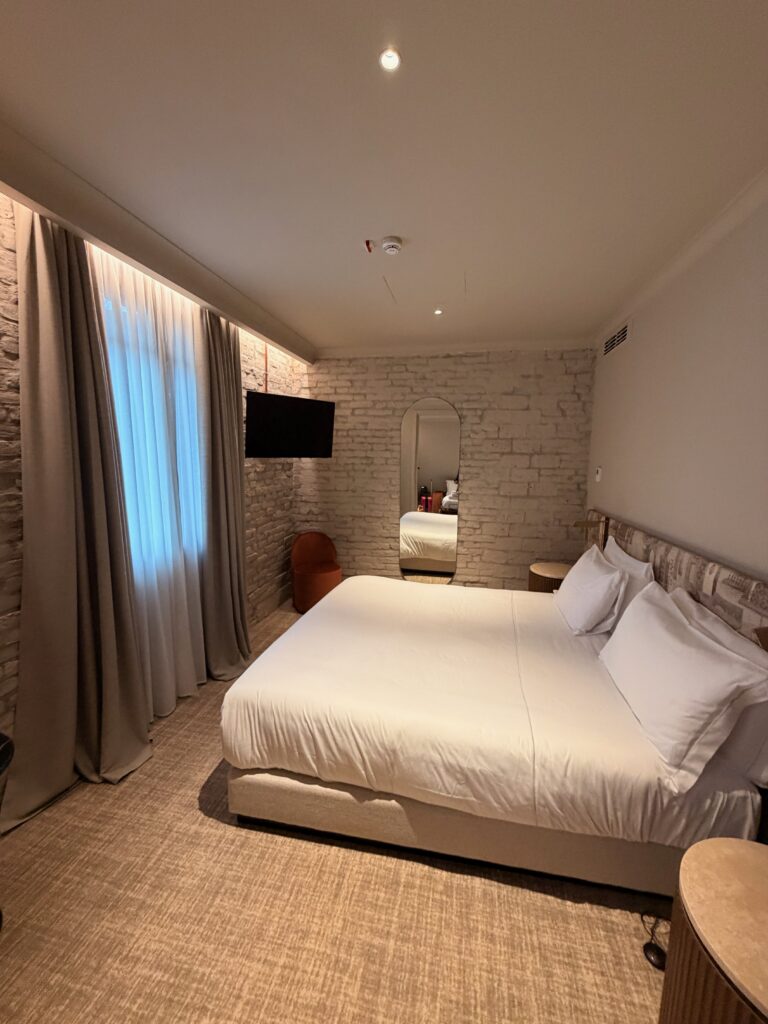
From Venice airport we took a water taxi into the city. We stayed at Rimon Place, a beautiful, clean, modern kosher hotel in the heart of the historic Jewish Ghetto in Cannaregio. The property was recently revamped, and our apartment-style suite had a kitchenette and rooftop terrace view. The location made it easy to step straight into the Ghetto and explore Venice on foot.
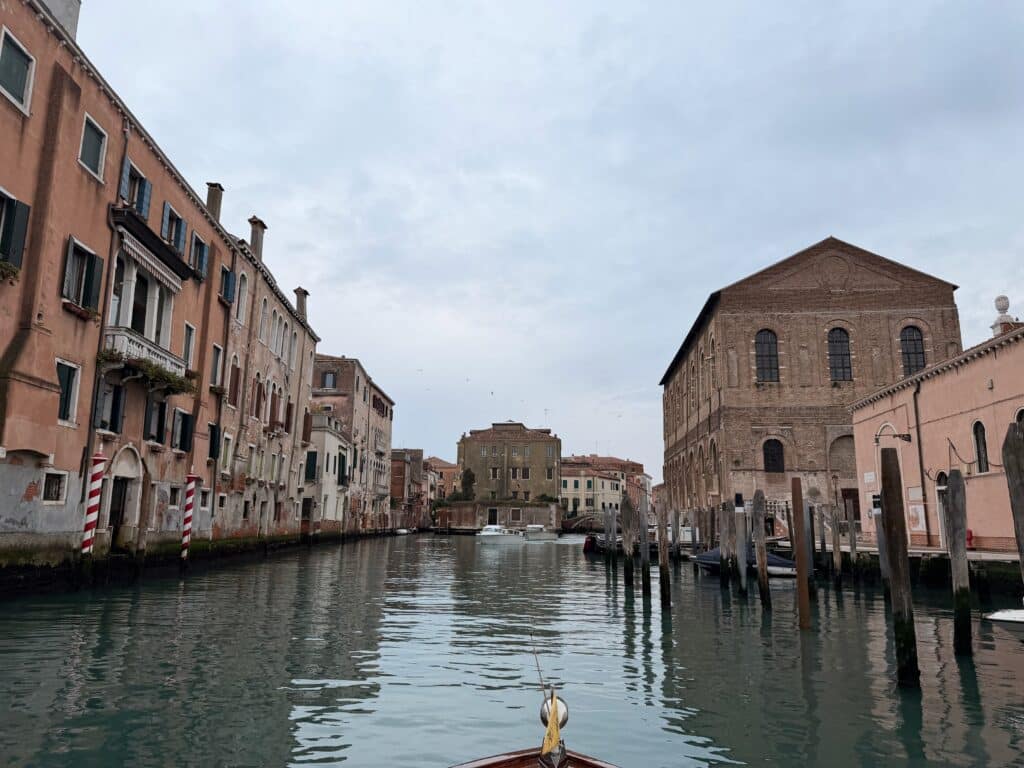
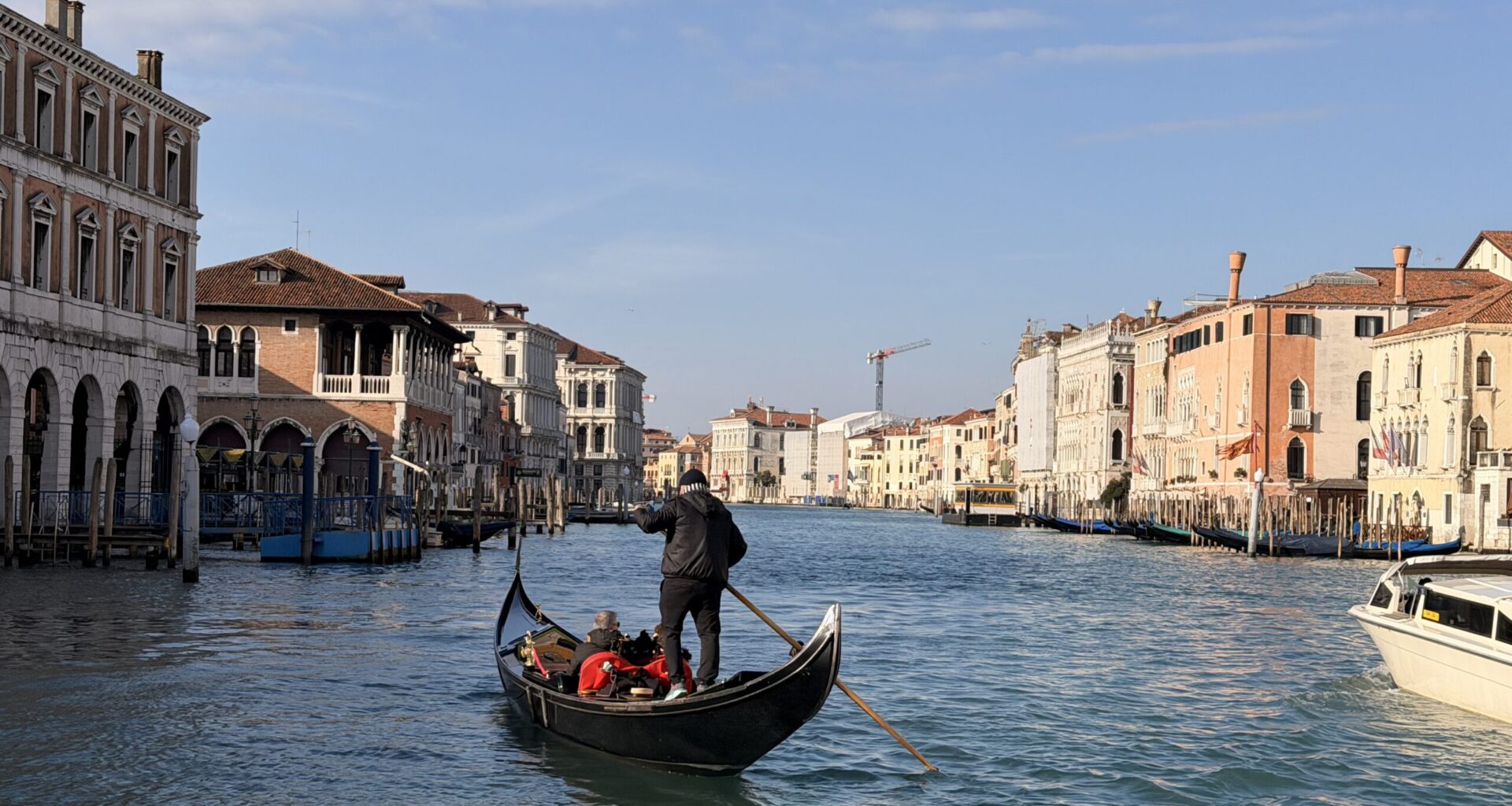
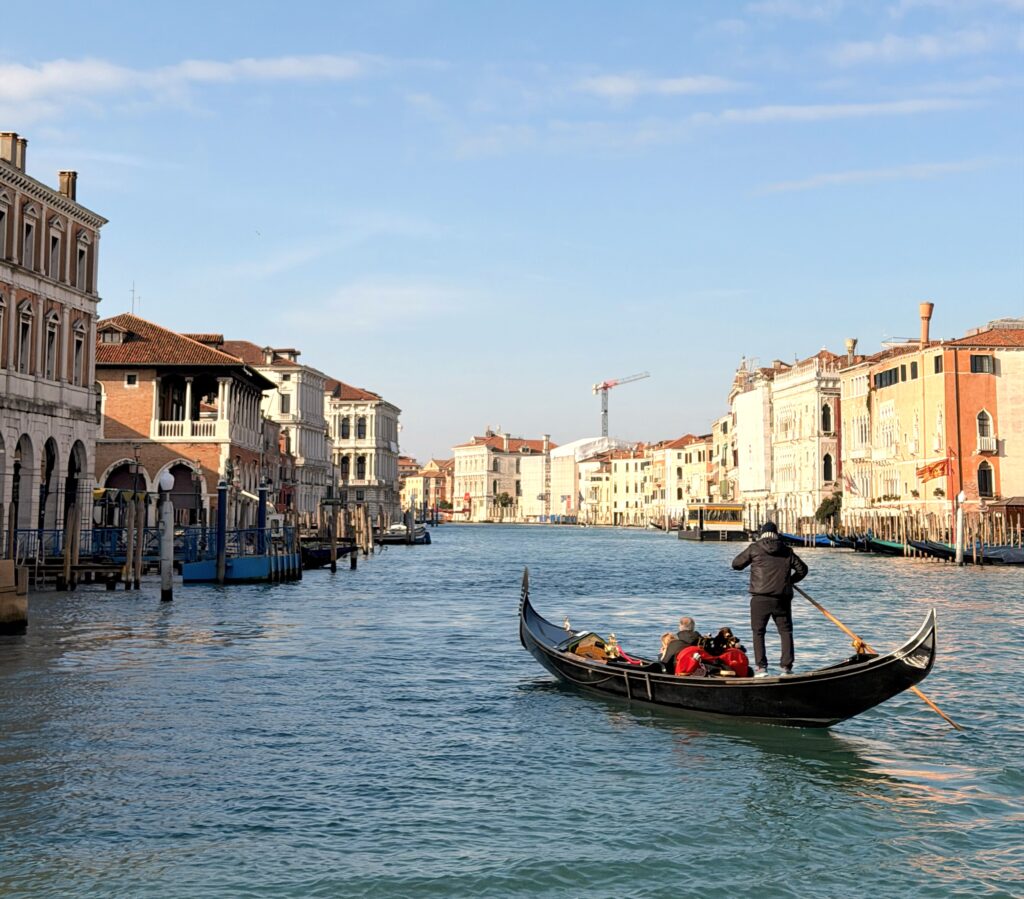
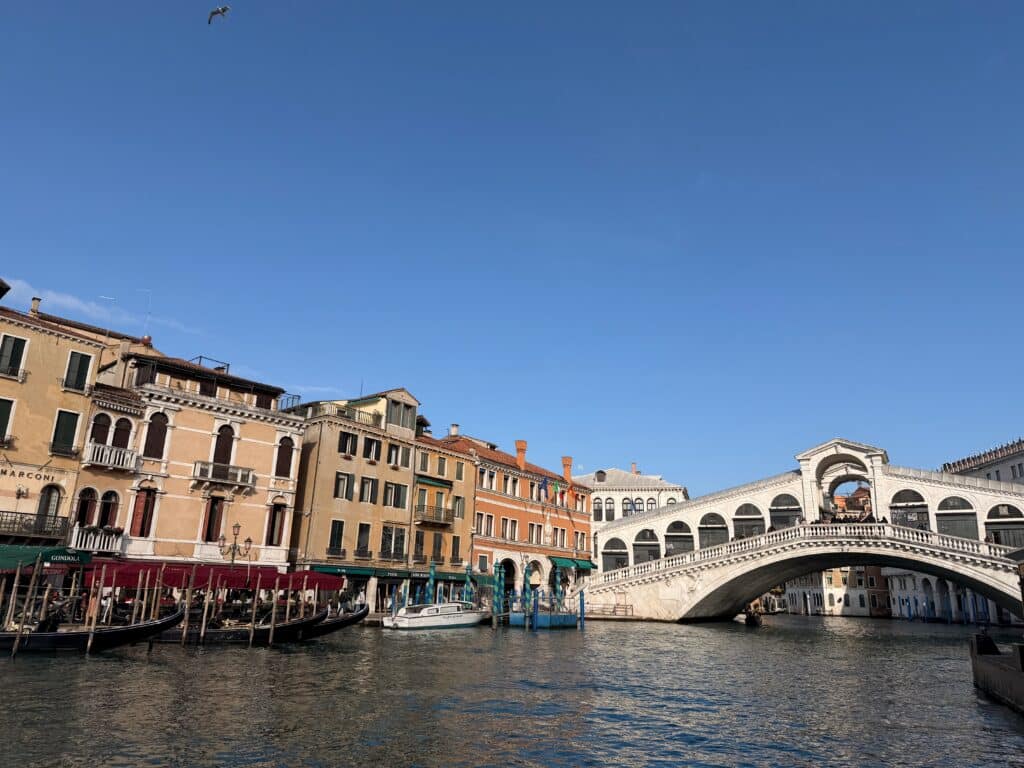
The afternoon was the classic Venice first-timer loop: the Rialto Bridge, the Grand Canal, St Mark’s Campanile, the Bridge of Sighs, and a gondola ride. We enjoyed the gondola ride and filmed it along the way.
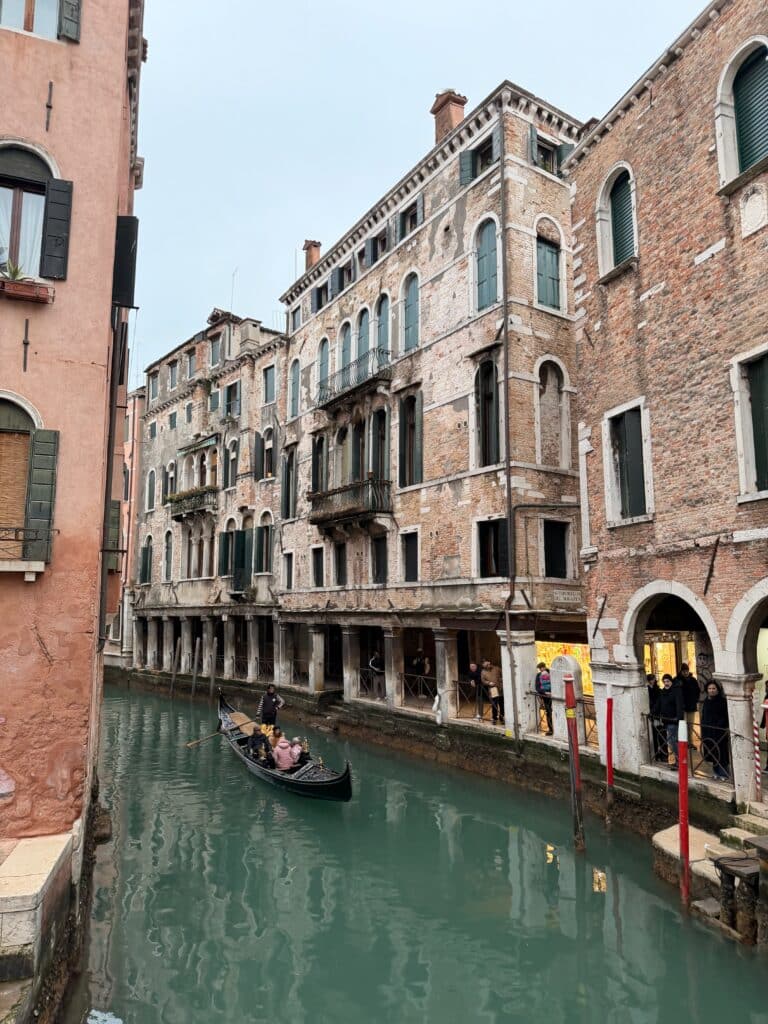
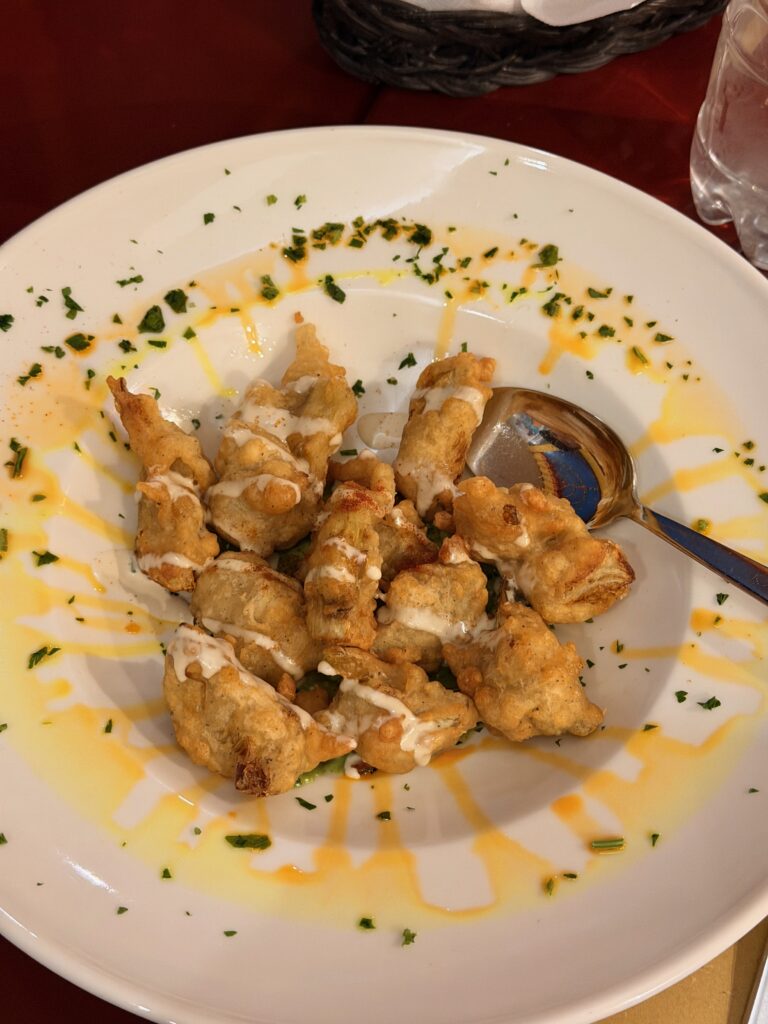
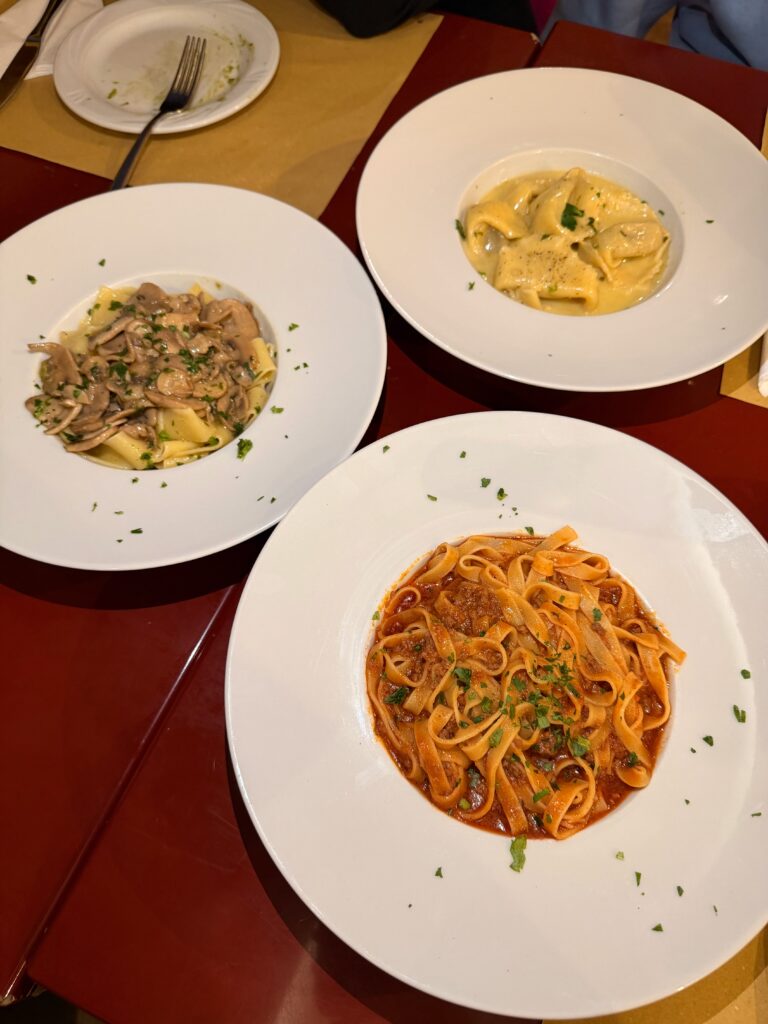
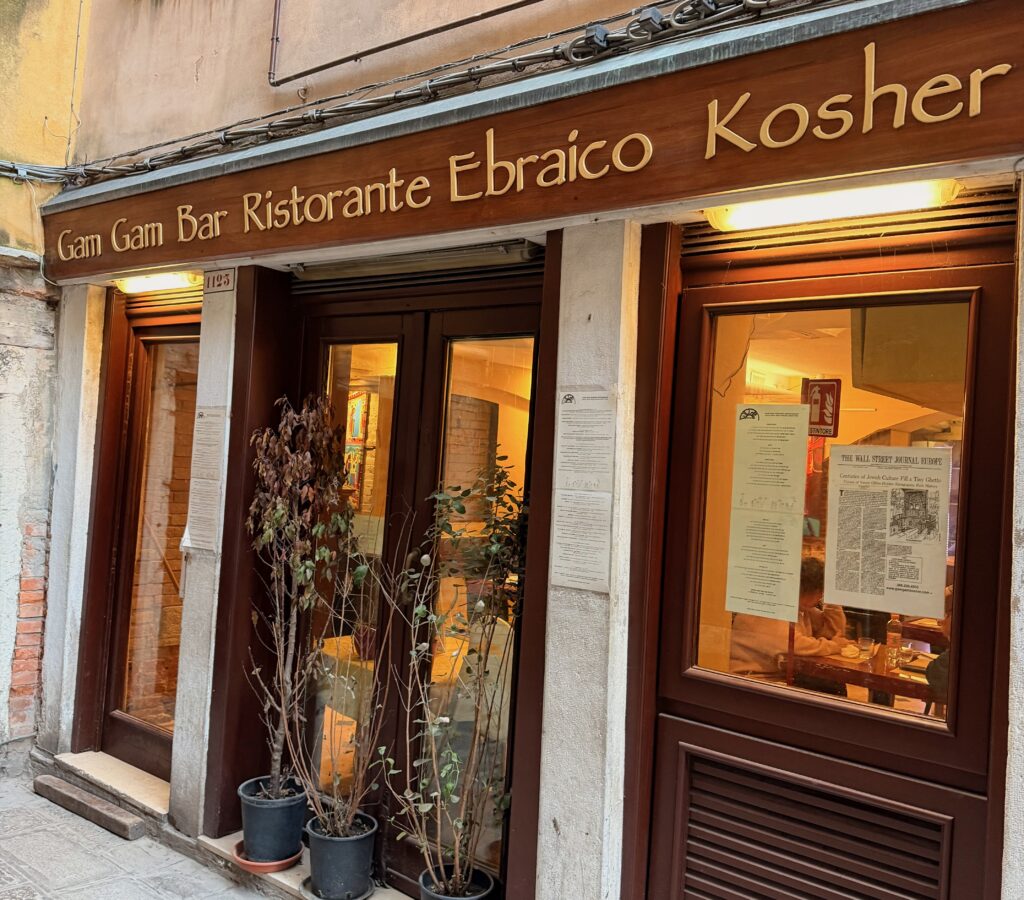
We ate dinner at Gam Gam (Chabad kosher, at the entrance to the Ghetto on the Cannaregio canal). We ate here twice. Our first dinner included fried artichoke, mushroom pasta, moussaka, and more pasta, plus homemade cookies for dessert. The restaurant was on the canal, a 5-minute walk from Rimon Place.
Day 2 (Monday): Sightseeing and pizza in Venice
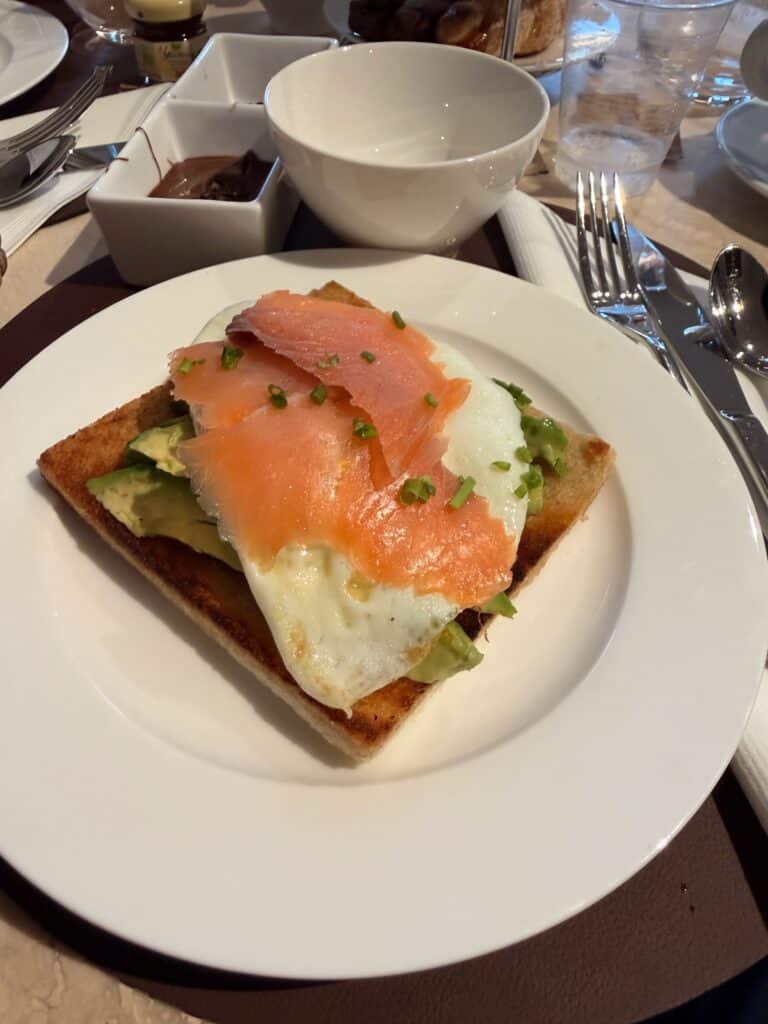
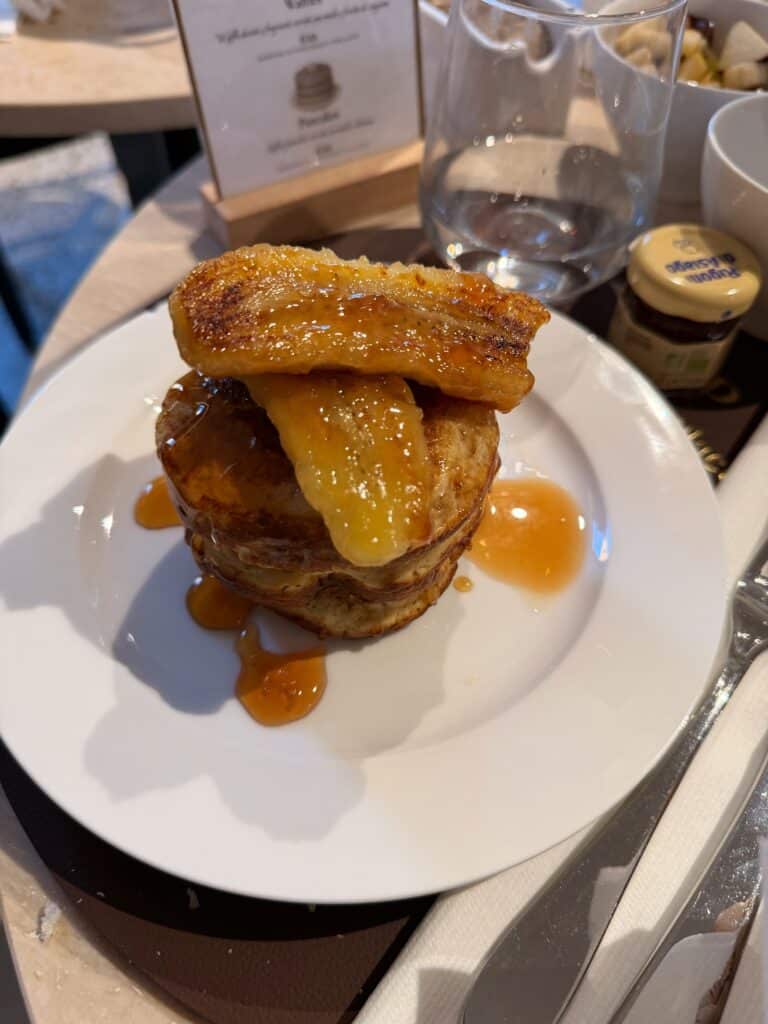
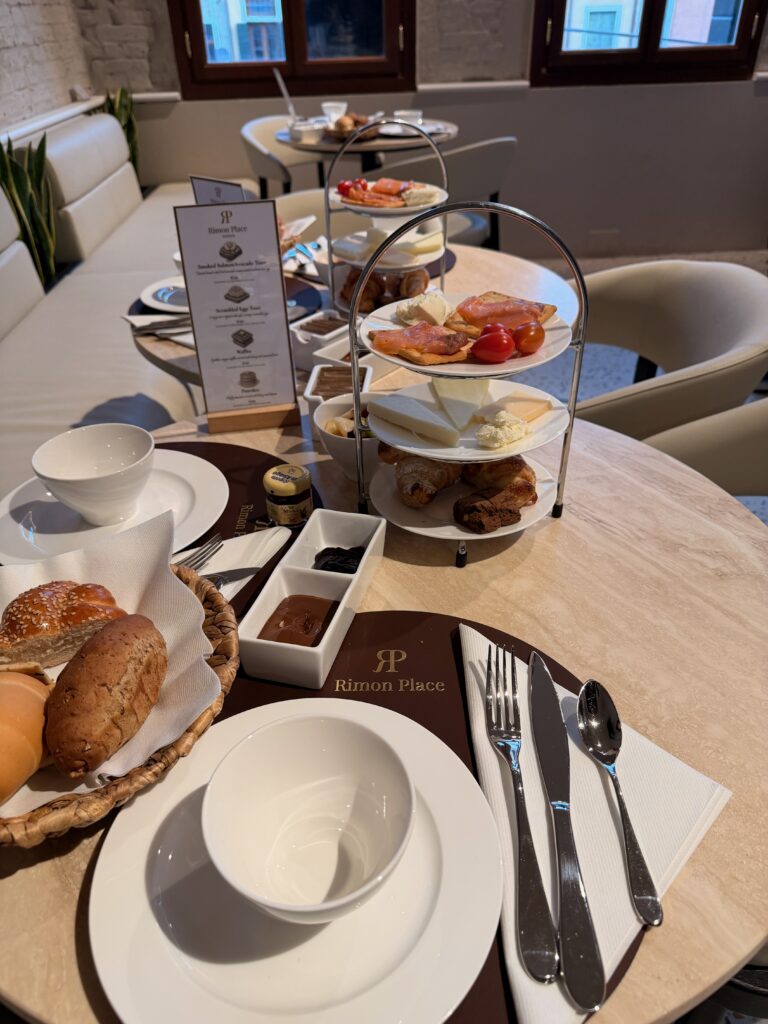
We ate breakfast at Rimon Place, the dairy cafe in the Ghetto square (Ghetto Ebraico). For breakfast we had cappuccino, salmon-avocado toast and French toast. Breakfast was delicious and beautifully presented.
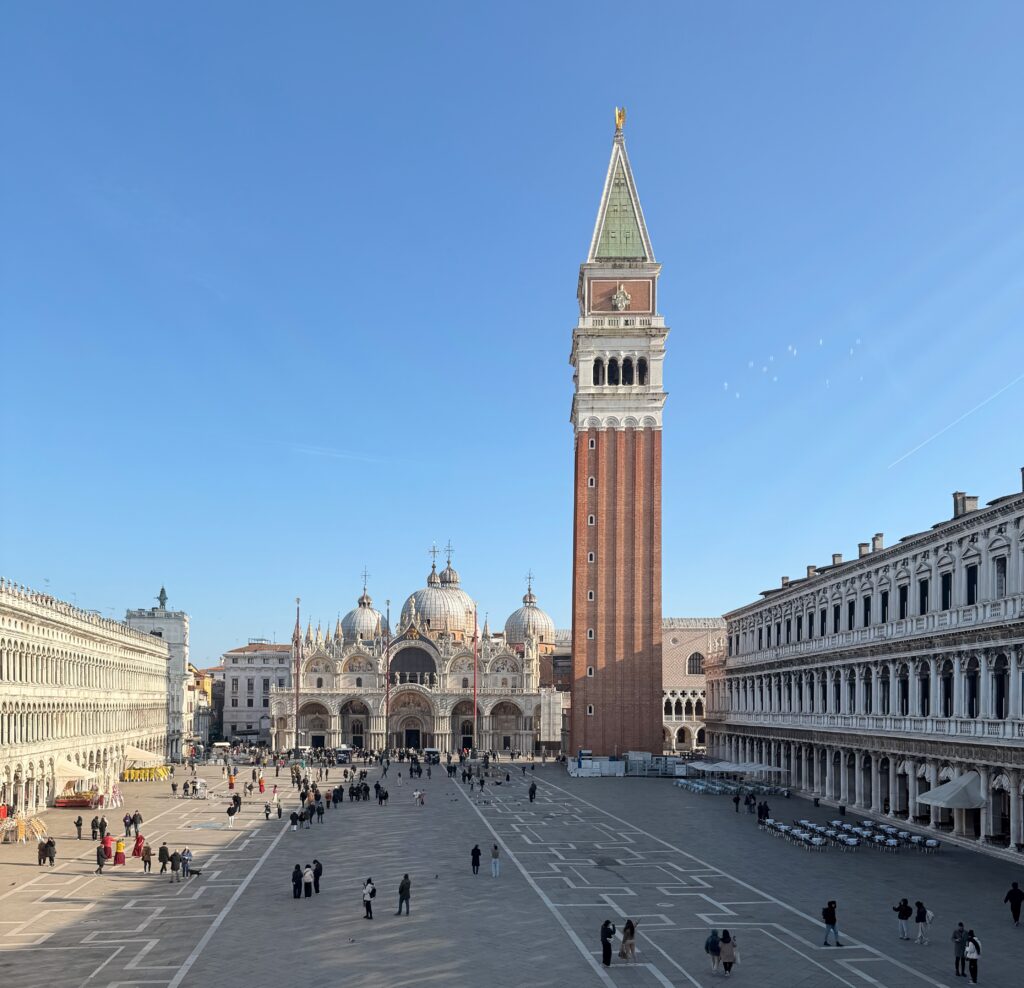
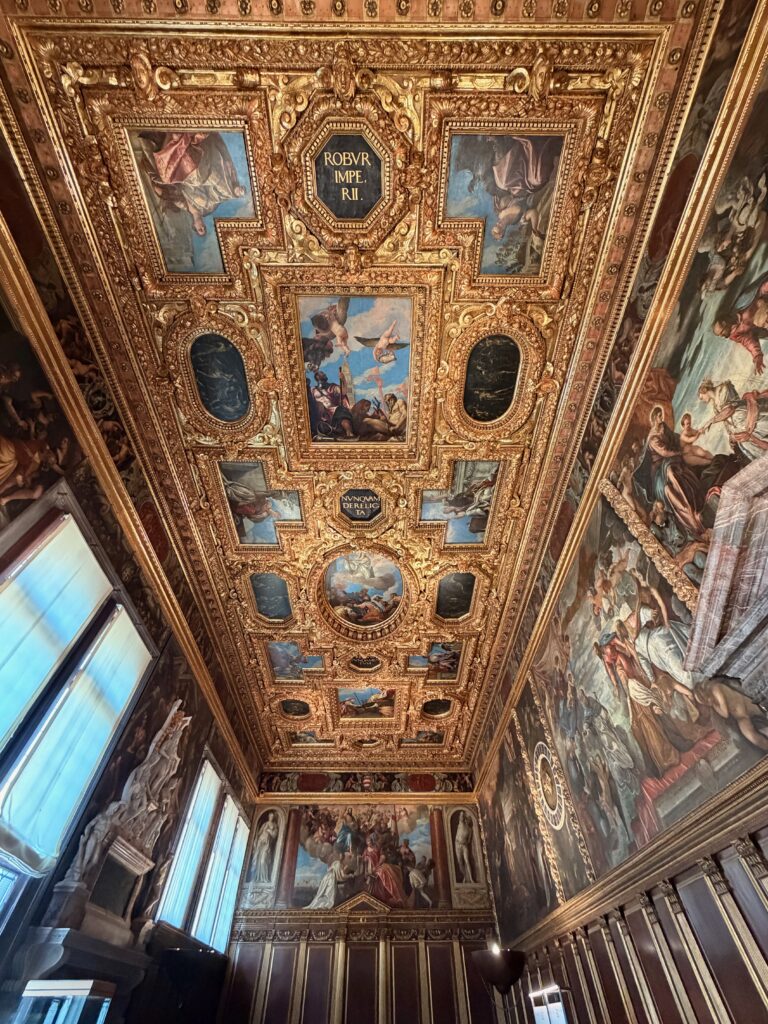
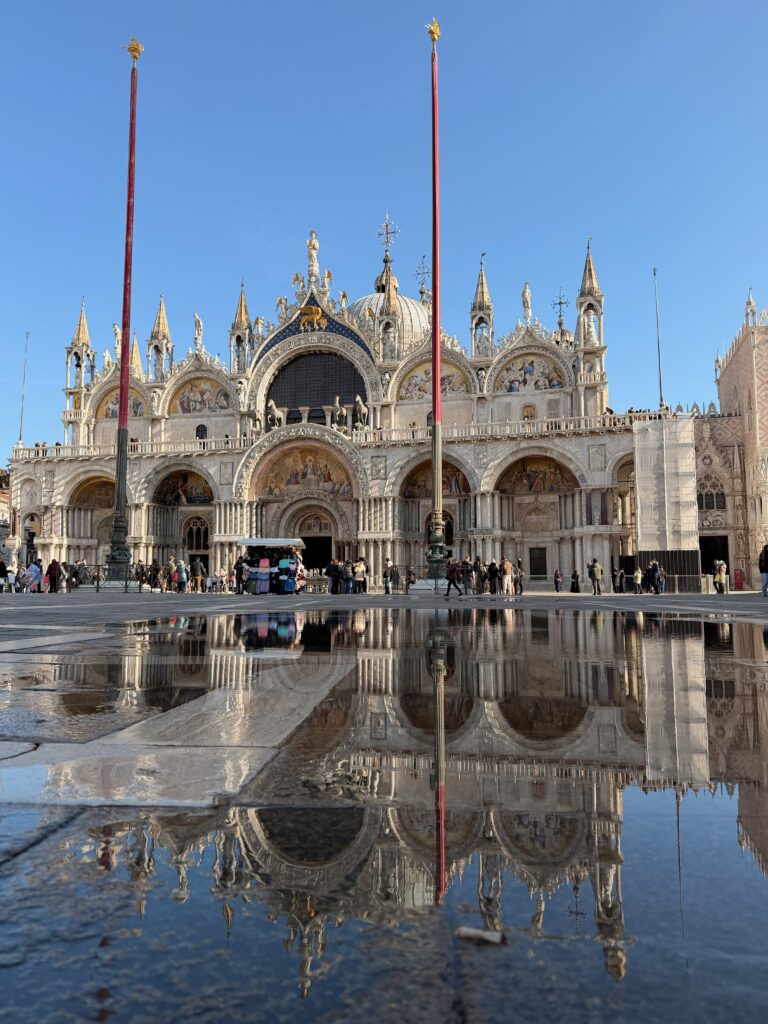
We spent the morning at Piazza San Marco, St Mark’s Basilica and the Doge’s Palace. The palace was a highlight of the whole trip, with the golden staircase, the Great Council hall, the armory, and the walk across the Bridge of Sighs into the old prisons. Book tickets ahead even in January.
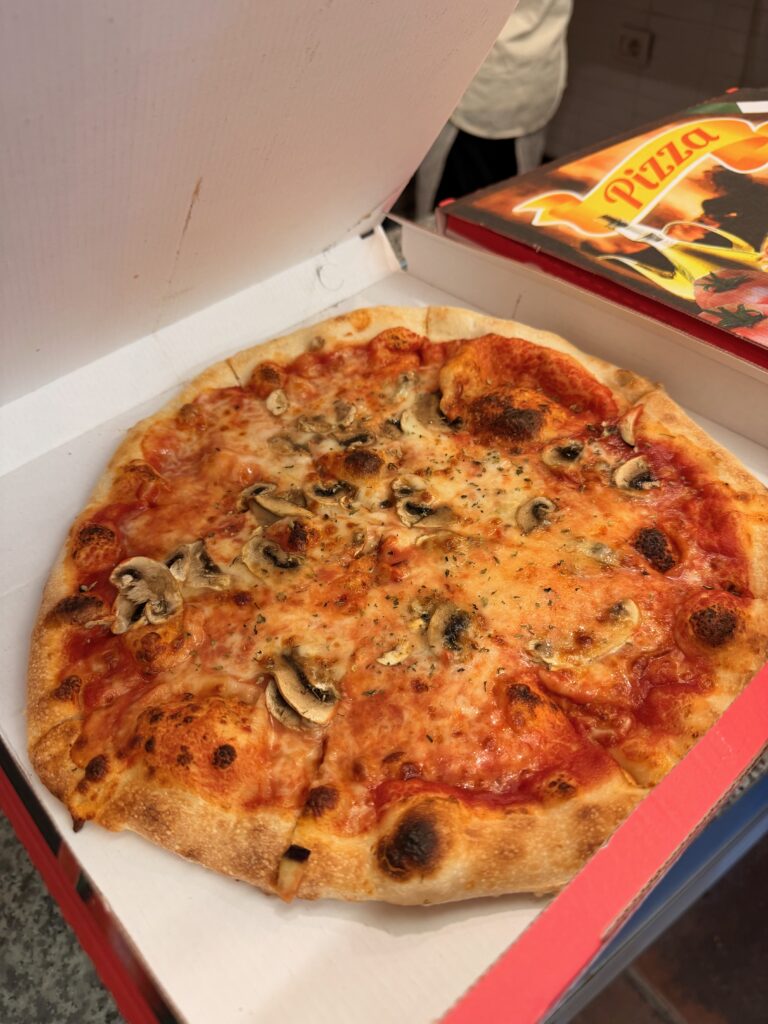
Midday we did a cooking class in the Ghetto, with professional pizzaiolos who came from Naples. It was fun and hands on, the food was delicious, and we highly recommend it for foodies and non-foodies alike. Great for couples and families.
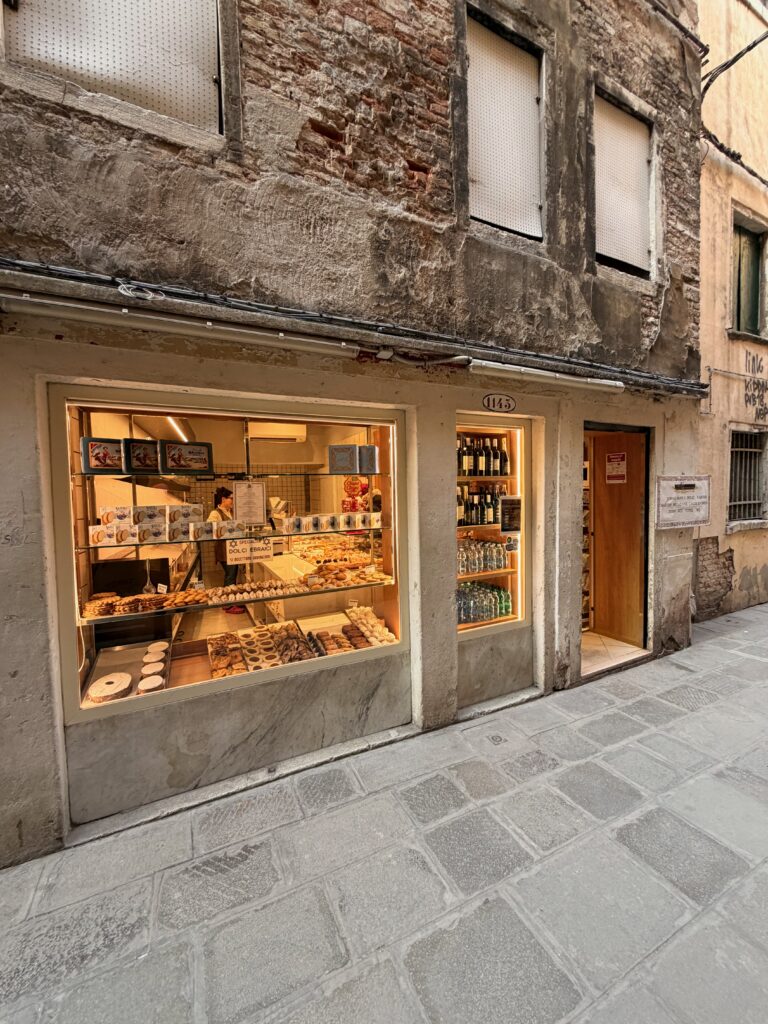
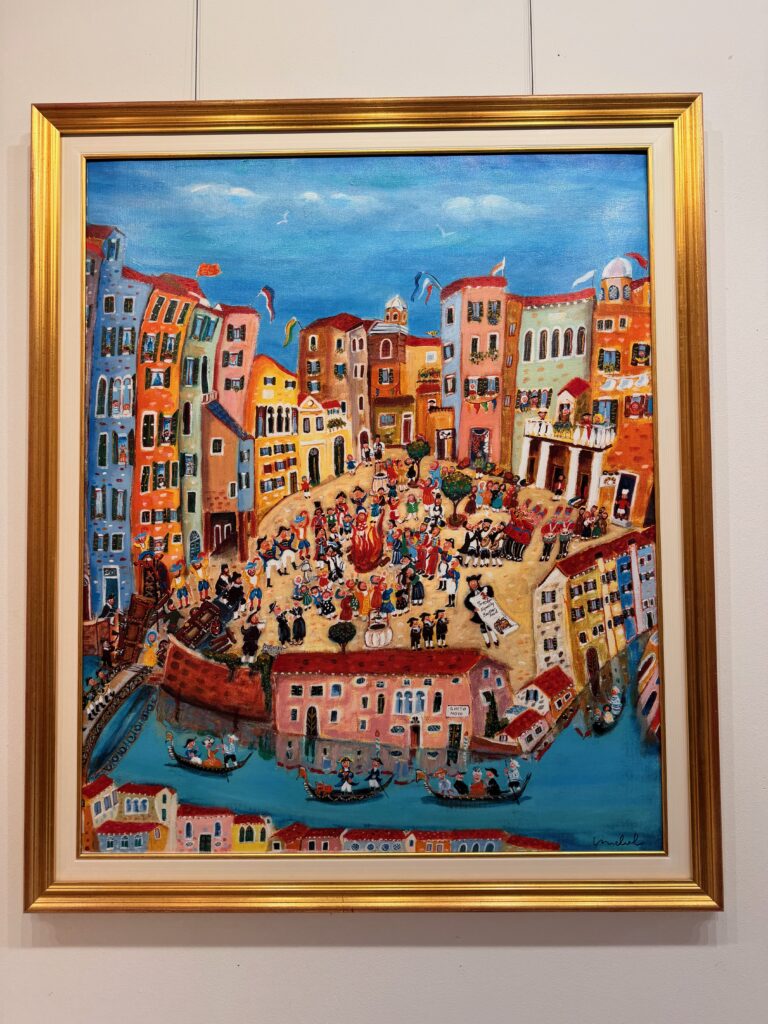
The afternoon was one of the most meaningful stops of the trip: the Venice Ghetto synagogue tour. Venice’s Ghetto is the original one – the word “ghetto” comes from here – and the scuole (synagogues) hidden in the upper floors of the square’s plain buildings are ornate and moving. The tour runs through the Jewish Museum of Venice and takes you inside synagogues you’d never find on your own. We also stopped at the kosher bakery case in the Ghetto for donuts and pastries.
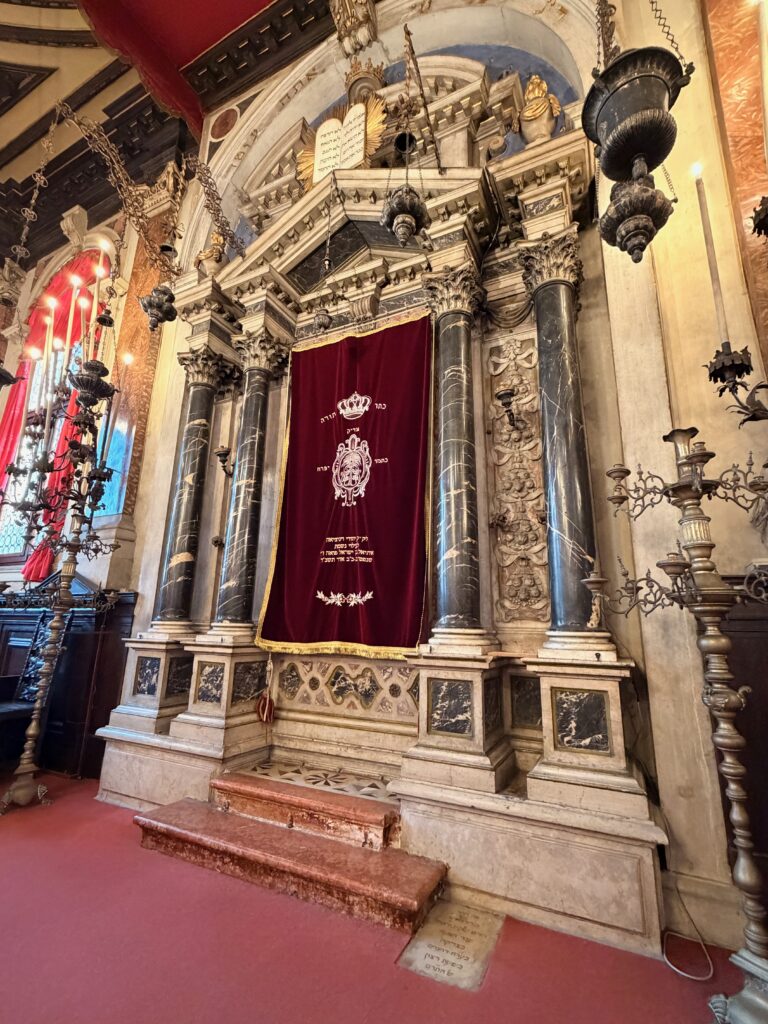
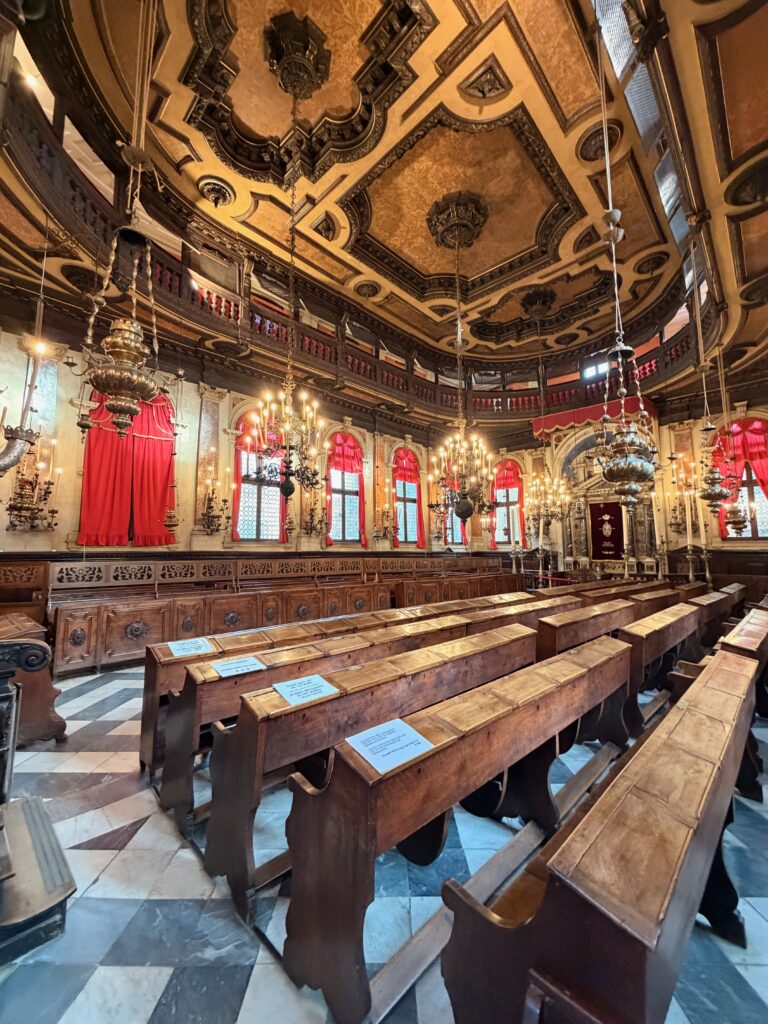
Before leaving, we grabbed an early-evening spritz and fried appetizers. I’d made a 6:00pm reservation at Ba Ghetto Venezia (Cannaregio 2873/C), but when we arrived, we learned they were opening an hour later than our reservation time. We hadn’t been told in advance, and with our train to Florence that evening, we couldn’t wait around for another hour. So we pivoted back to Gam Gam for dinner before heading to the station.
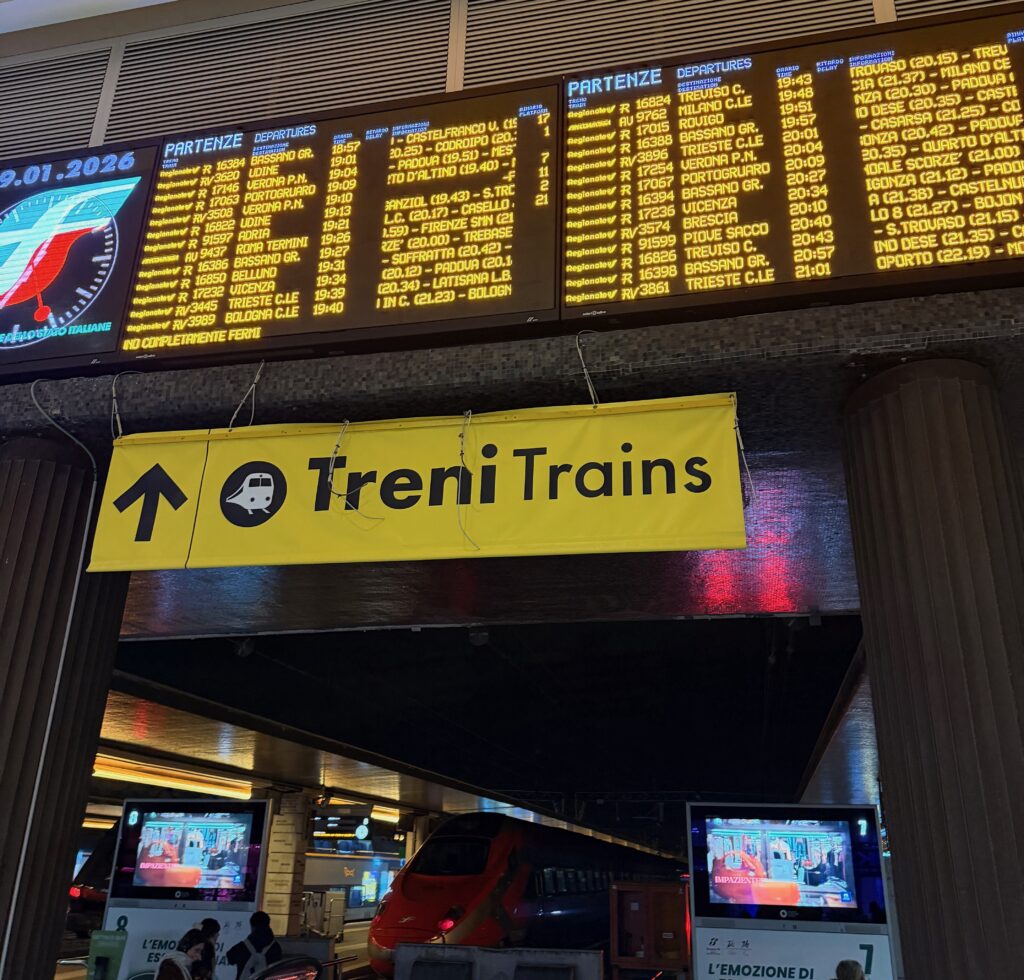
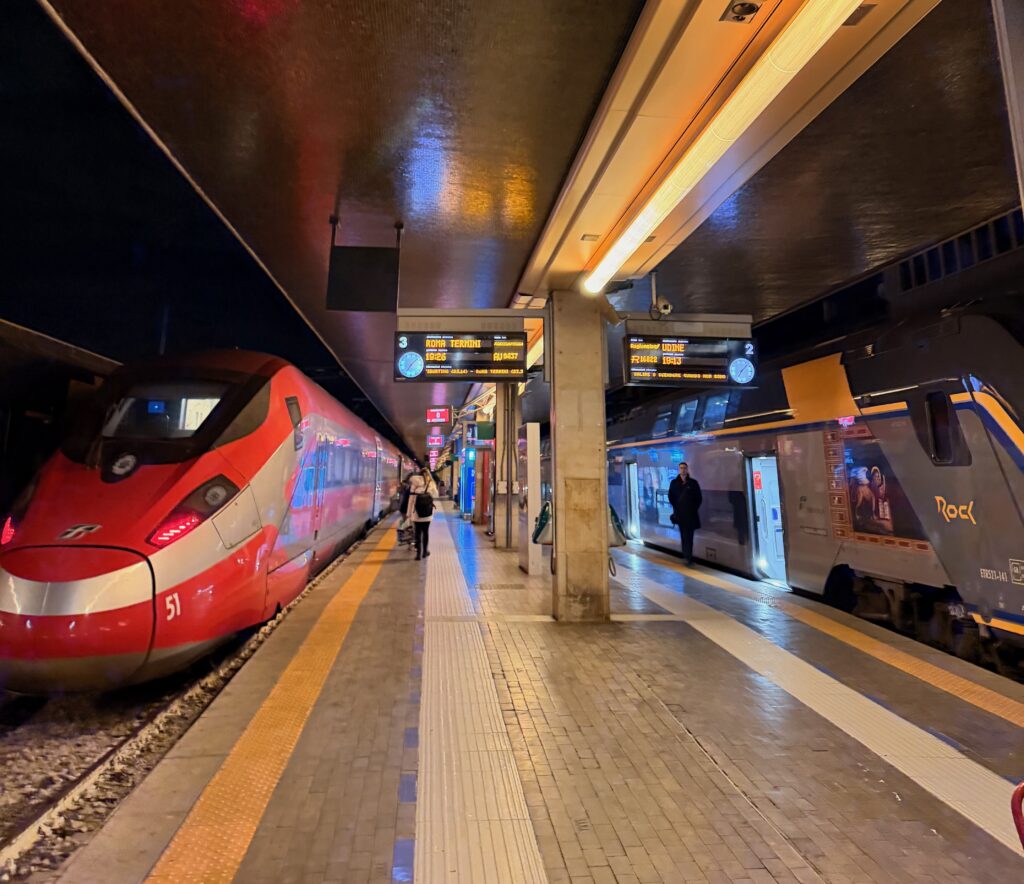
That evening, we headed to the station. Venezia Santa Lucia station sits literally on the Grand Canal, and the Frecciarossa 9437 pulled out at 7:26pm and had us at Firenze Santa Maria Novella by 9:39pm. The train journey took a little over two hours.
Our hotel in Florence was Le Contesse (Via Giosue Carducci 3), a family suite for 2 nights, booked through Citi Travel – and the entire stay was covered by Citi’s Annual Hotel Savings Benefit, so the room was effectively free except for about $55 in local taxes paid at the property. Check your card’s terms before booking a stay around a hotel benefit.
Short on time in Venice? We also have a 28-hour kosher Venice guide on the site.
Day 3 (Tuesday): Florence and its Jewish sites
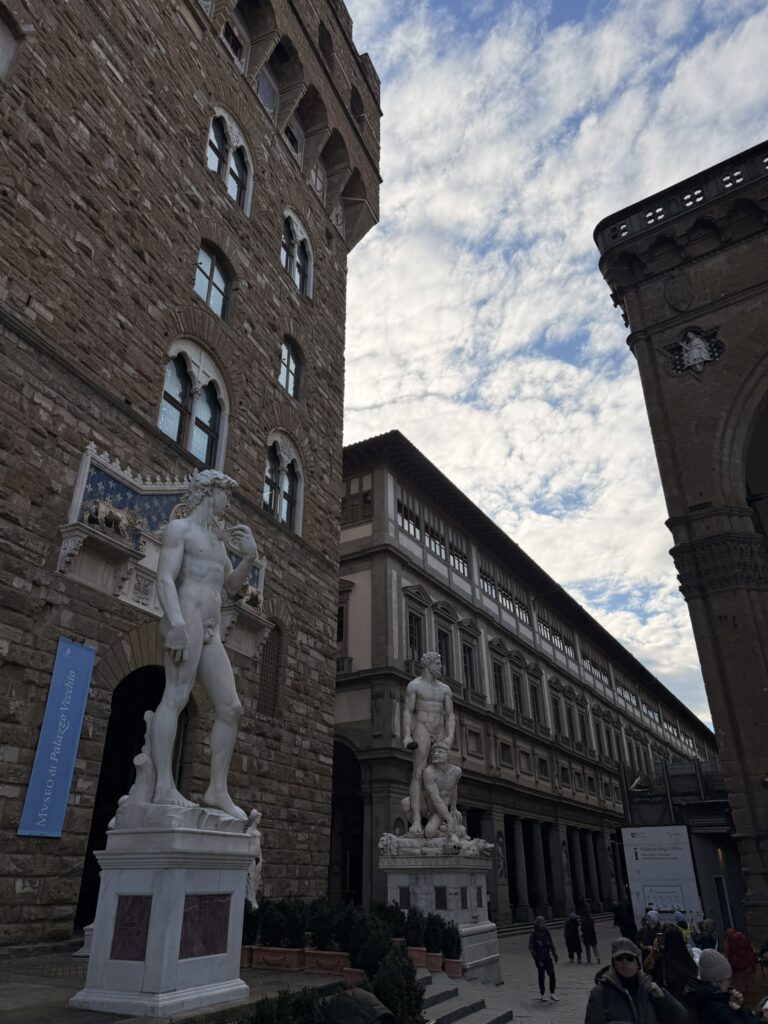
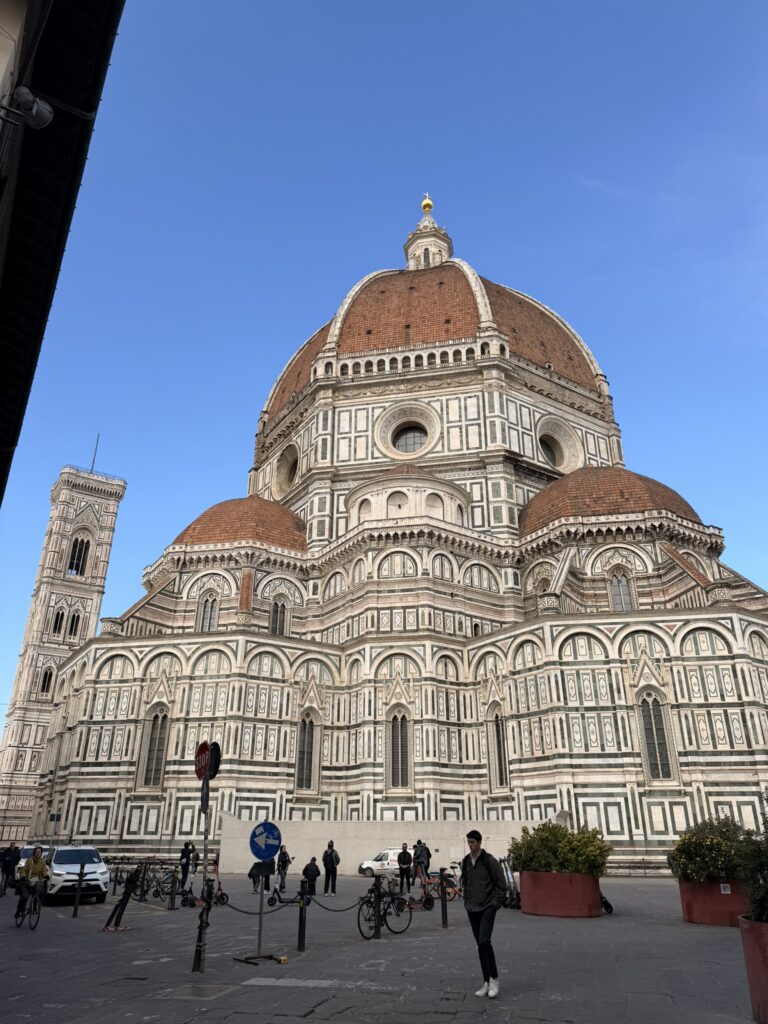
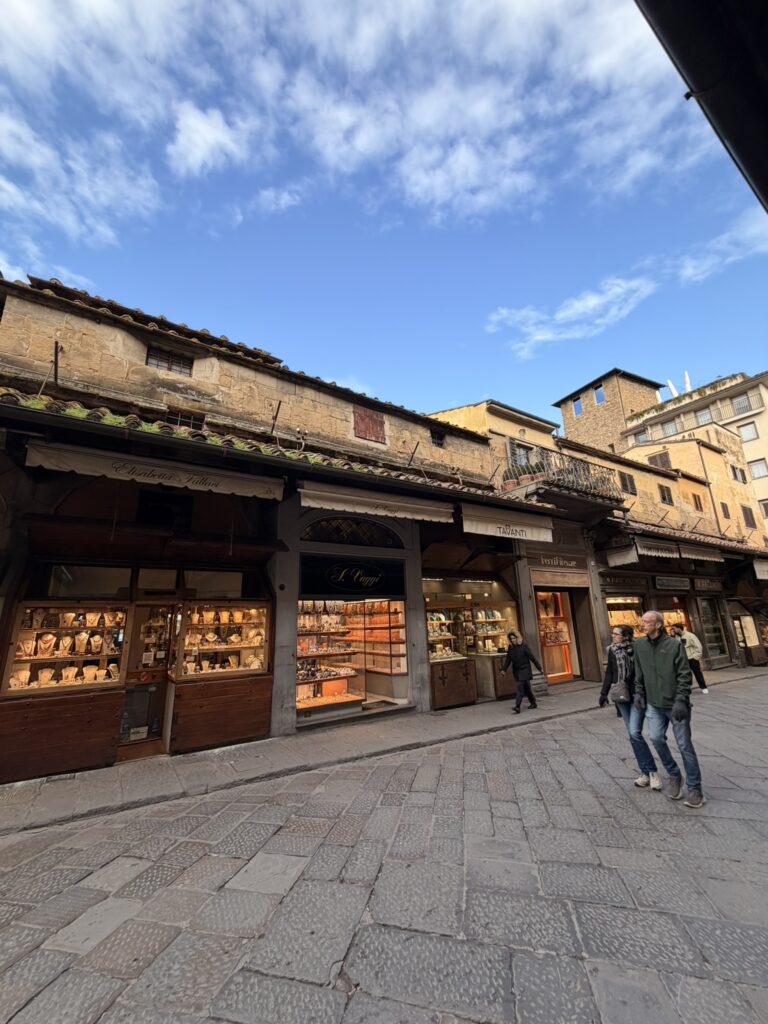
We spent the morning visiting Florence landmarks: Piazza della Signoria with the Neptune fountain and Palazzo Vecchio, the Duomo and Giotto’s campanile, and the goldsmith shops on the Ponte Vecchio.
We ate lunch at Ruth’s (@ruthsfirenze), the kosher vegetarian restaurant by the synagogue. We enjoyed the restaurant’s setting next to the synagogue. We lucked into Florence Restaurant Week 2026, and the table filled up with whole fried artichokes (carciofi alla giudia, the signature Jewish-Roman dish that Florence does just as well), lasagna, samosas, pizza, and cheesecake.
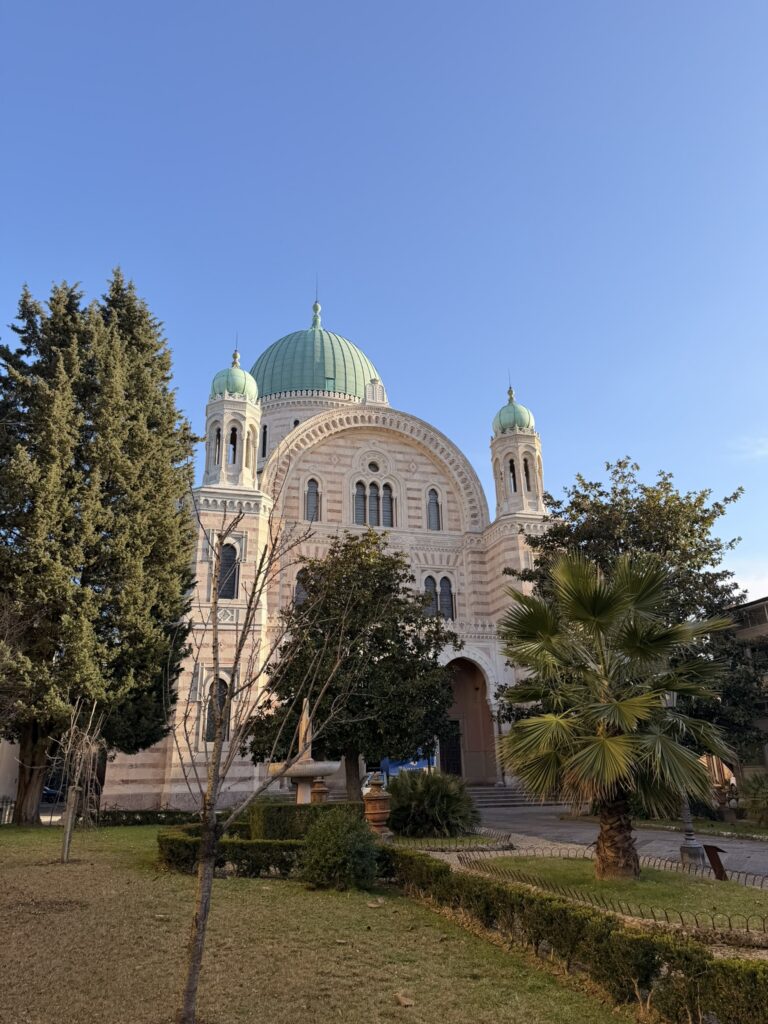
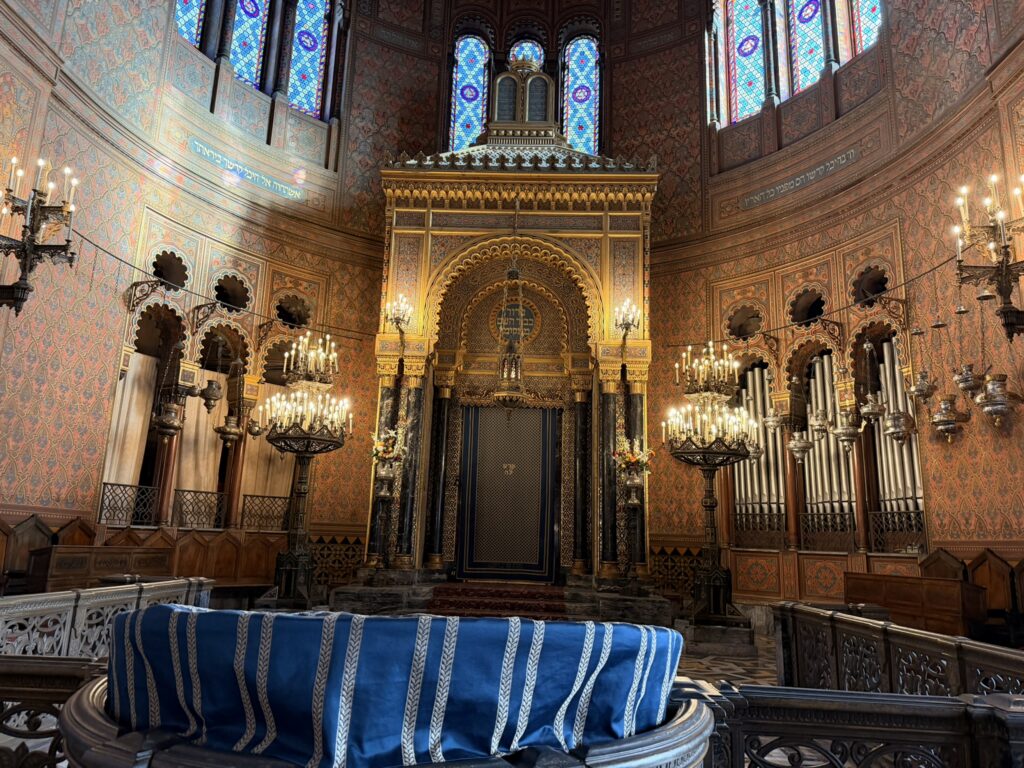
Then we visited the Great Synagogue of Florence, the green-domed Moorish shul a few minutes away. It is one of the most magnificent shuls I’ve visited. The interior is breathtaking, and it pairs perfectly with lunch at Ruth’s next door.
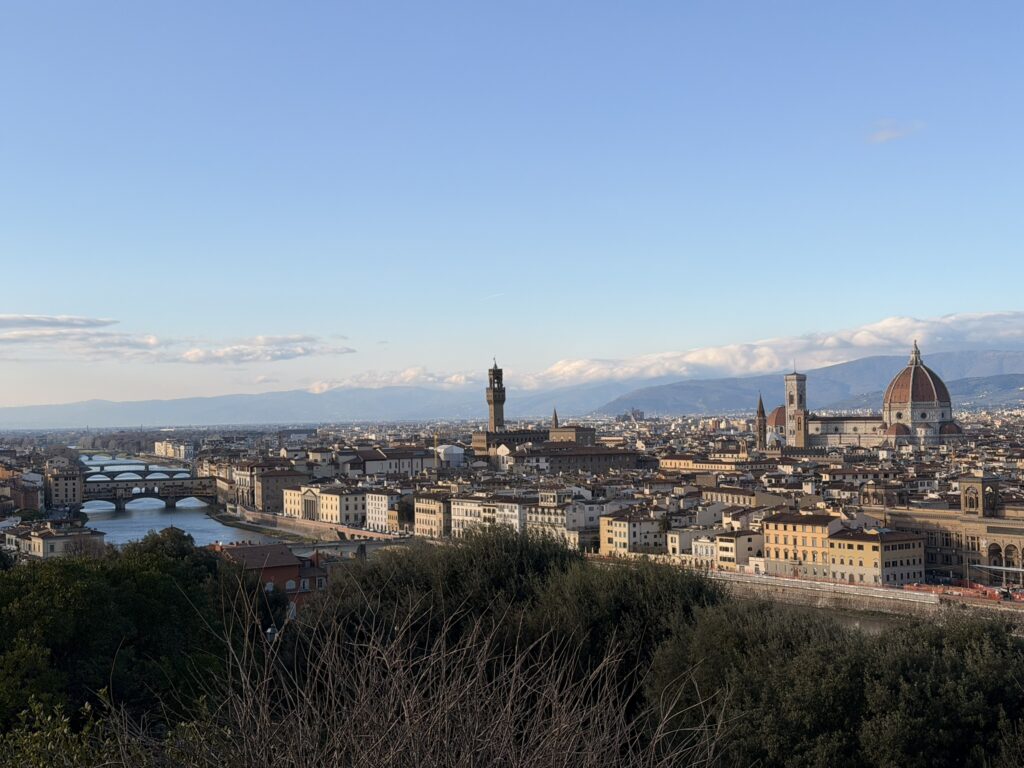
In the afternoon we drove up to Piazzale Michelangelo for the panorama over the city – from the southern hillside you can pick out the green dome of the synagogue in the skyline, which is a pretty special way to see a Jewish landmark.
We arranged a private visit to Pampaloni (@pampalonisilver), the family silversmith that makes Judaica, including a silver menorah designed for Chabad. We got a factory tour with the owner and watched real Florentine silversmithing up close. If you appreciate Judaica as craft, this is worth arranging.
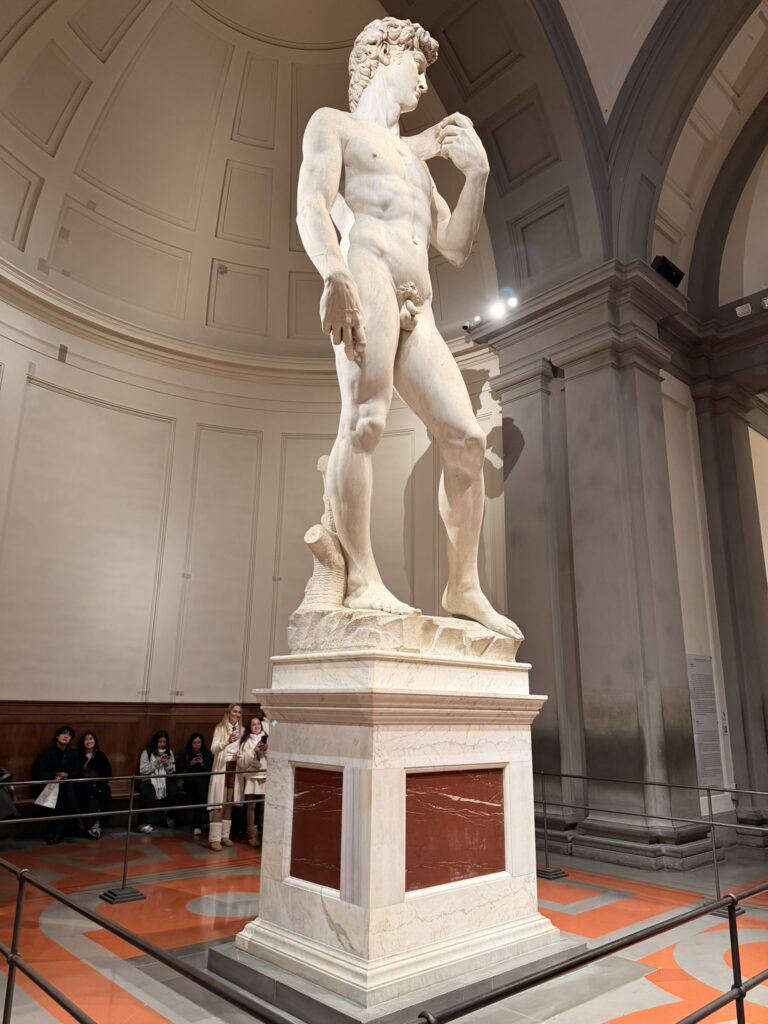
Then we visited the Galleria dell’Accademia to pay a visit to David. Even in January, book timed tickets ahead.
We ate dinner at Ba Ghetto Firenze (@baghettorestaurants), the meat restaurant. We ordered steak with artichokes and lamb with potatoes. We also had veal with potatoes and cheesecake for dessert. We ate at Ba Ghetto restaurants throughout the trip and enjoyed those meals.
Day 4 (Wednesday): Museums and the train to Rome
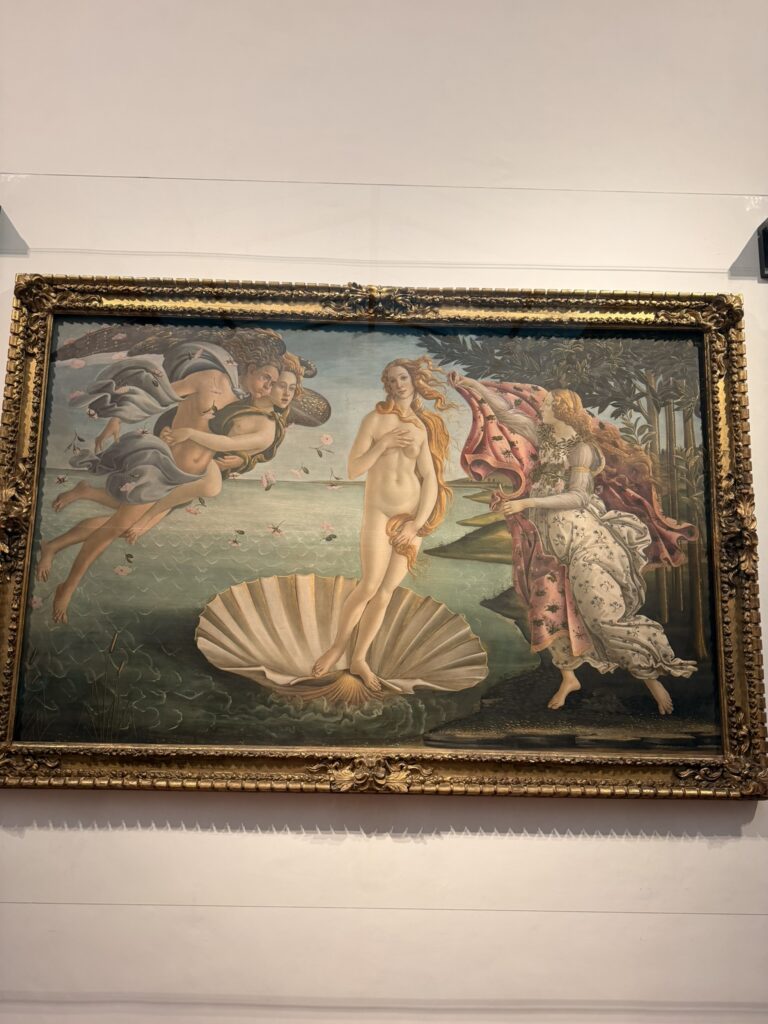
We spent the morning at the Uffizi, visiting the Tribuna and maps room and seeing works by Raphael and Botticelli. I enjoyed spotting a Tanach scene hanging amid all the Christian religious art. We spotted more than one Tanach scene in the collection.
Also in Florence, I finally met in person a longtime YeahThatsKosher follower – one of the pre-Instagram Twitter followers – who had given me Venice and Italy advice. It was good to meet someone I’d known online for years.
We added the Museo Galileo, a really interesting science museum (armillary spheres, early telescopes) that’s a good change of pace from Renaissance art.
We took the Frecciarossa 9427, Firenze SMN 5:48pm to Roma Termini 7:25pm. In Rome, we spent the rest of the trip in a NEMAN Collection apartment in the Jewish Ghetto. The apartments are spacious and quintessentially Italian, and NEMAN delivered a delicious, freshly made kosher breakfast each morning. The location is about as central as it gets for a kosher stay in Rome: right in the Jewish Ghetto, with a few dozen kosher places within walking distance that you can browse in the Kosher Near Me app, plus the neighborhood’s Jewish sites close by.
We ate dinner at Ba Ghetto Roma (Via del Portico d’Ottavia 57), right in the Ghetto across from the Portico d’Ottavia ruins. We ordered an artichoke appetizer, pesto pasta and lasagna. We also looked at the wine shelves. After dinner we walked past the Tempio Maggiore, Rome’s Great Synagogue, lit up at night. We’d be inside it on Shabbat.
Day 5 (Thursday): A kosher cooking class and the Vatican
The morning was one of the trip’s highlights: NEMAN’s Fresco by Nonna kosher cooking class in Trastevere, which we did before heading to the Vatican.
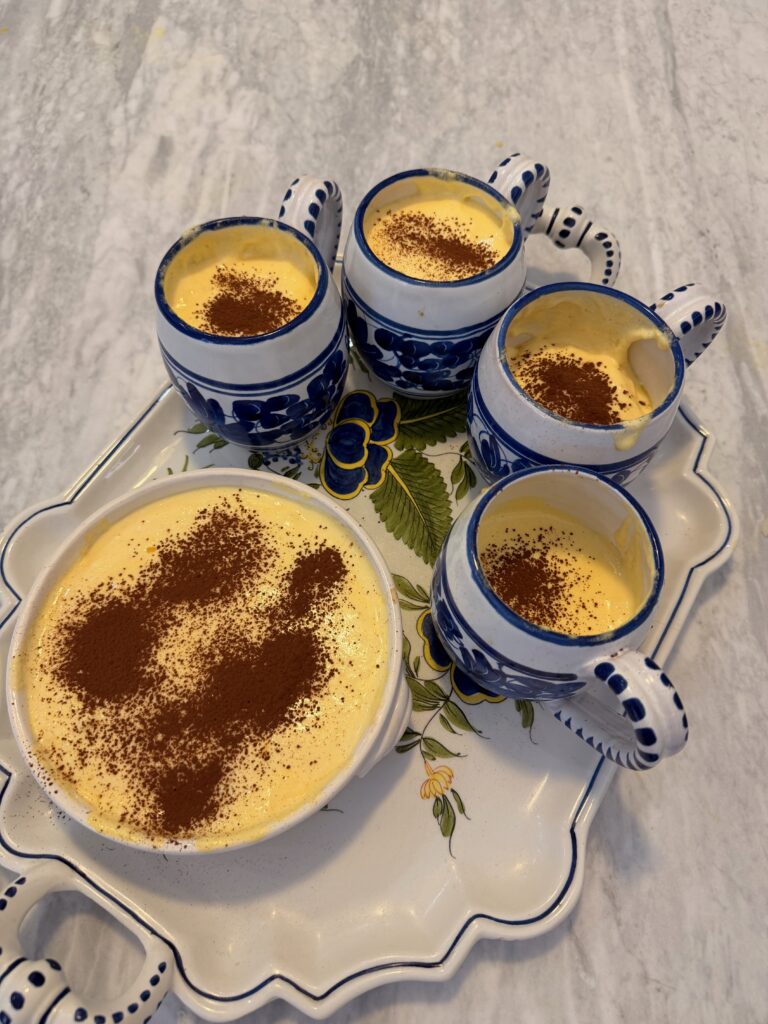
A kosher Roman cooking class isn’t complete without pasta, artichokes, parmesan, tiramisu, and limoncello – and we made all of it: pasta dough from scratch, cleaning artichokes for salad and for the ravioli filling, shaping ravioli, sauces, tiramisu cups, and limoncello. Then we ate the results for lunch.
In the afternoon we visited the Vatican with an interest in its Jewish connections. We booked directly with David Walden (Rome Tour Guide, +39 339 705 9603), who handled everything for us. He’s a frum Canadian guy who learns in yeshiva in Rome and is married to a Roman Jewish woman – super knowledgeable, funny and engaging. We had 2:30pm entrance for the Vatican Museums and Sistine Chapel. Practical note: there are very few plaques explaining anything in the museums – you need a guide or at least an audio guide, ideally one who can point out the Jewish angles, like the depictions of Moshe.
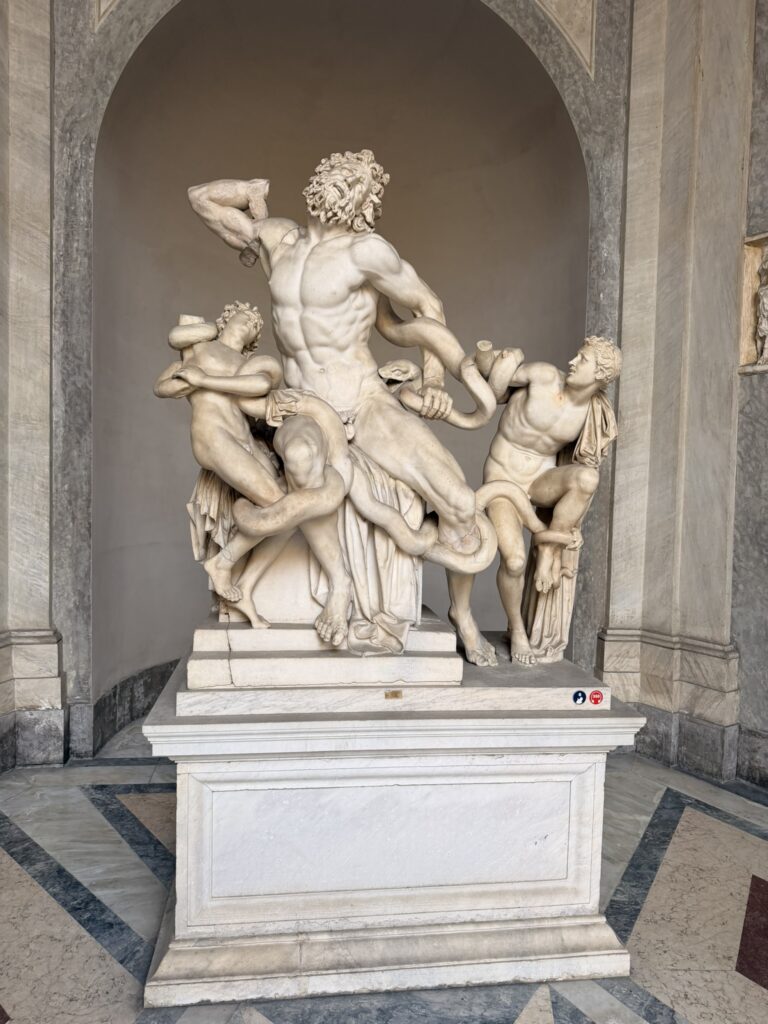
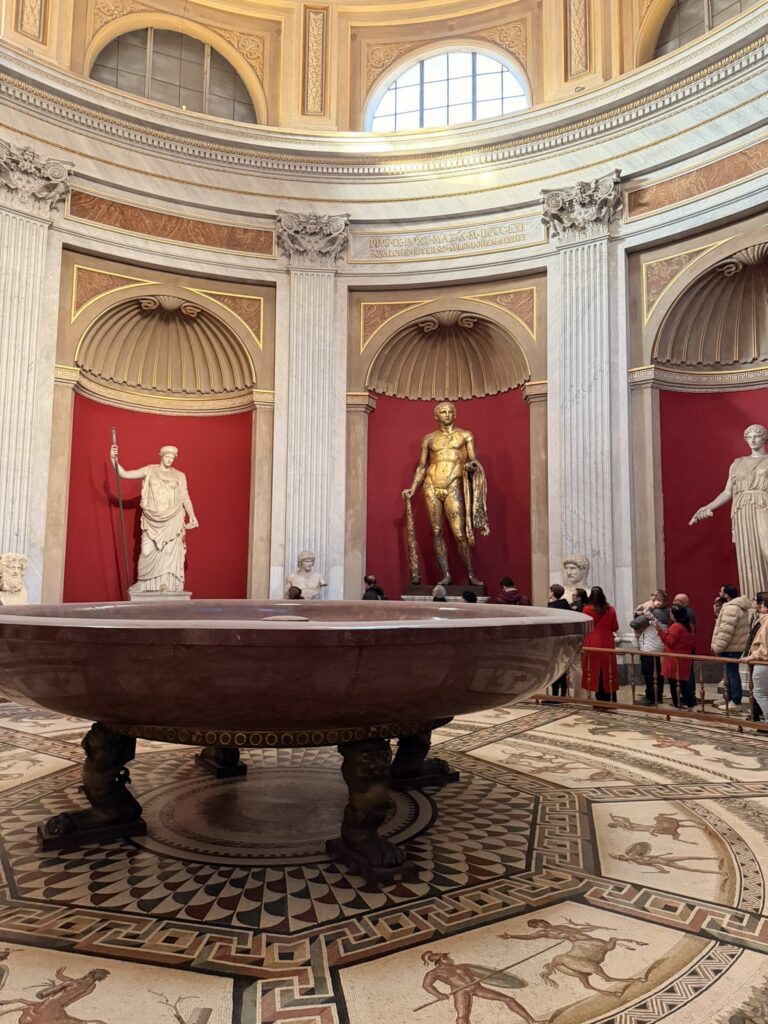
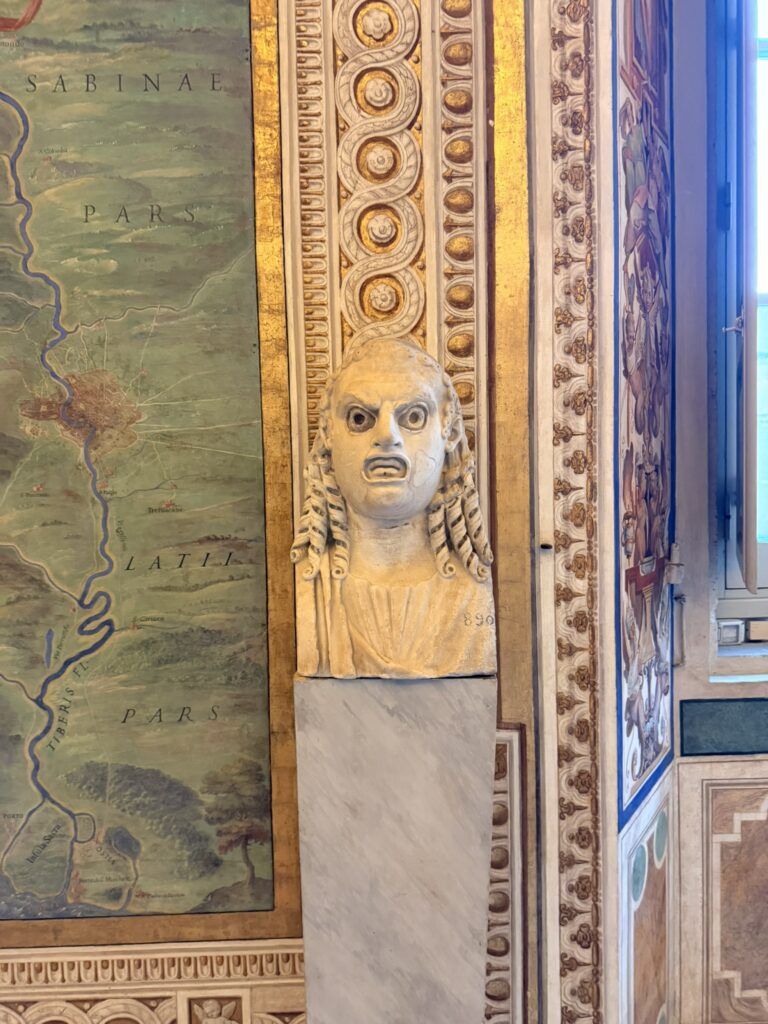
We finished at St Peter’s Basilica, looking up into the dome.
We ate dinner at Bona Pizza (@bonapizzaroma, Via del Portico d’Ottavia 7), pizza al taglio – Roman pizza by the slice, cut with scissors and sold by weight. We tried Margherita and potato slices, as well as slices with zucchini blossoms. This became one of our repeat stops in the Ghetto.
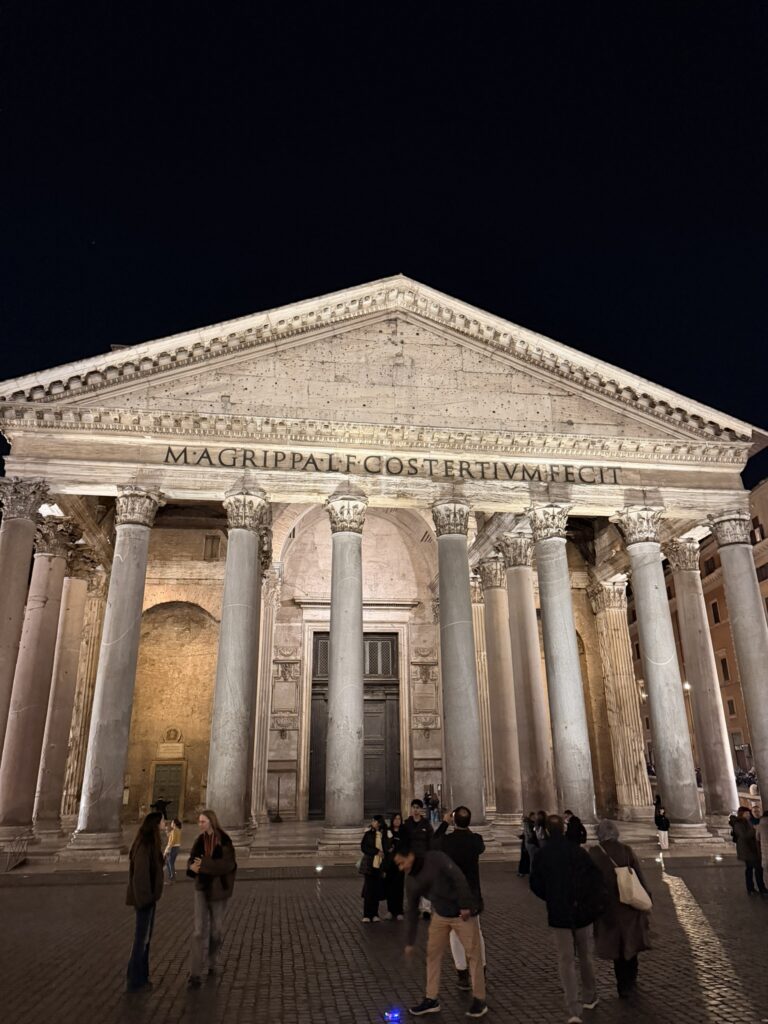
We walked past the Pantheon that night, which is somehow even better lit up and empty.
Day 6 (Friday): Jewish Rome before Shabbat
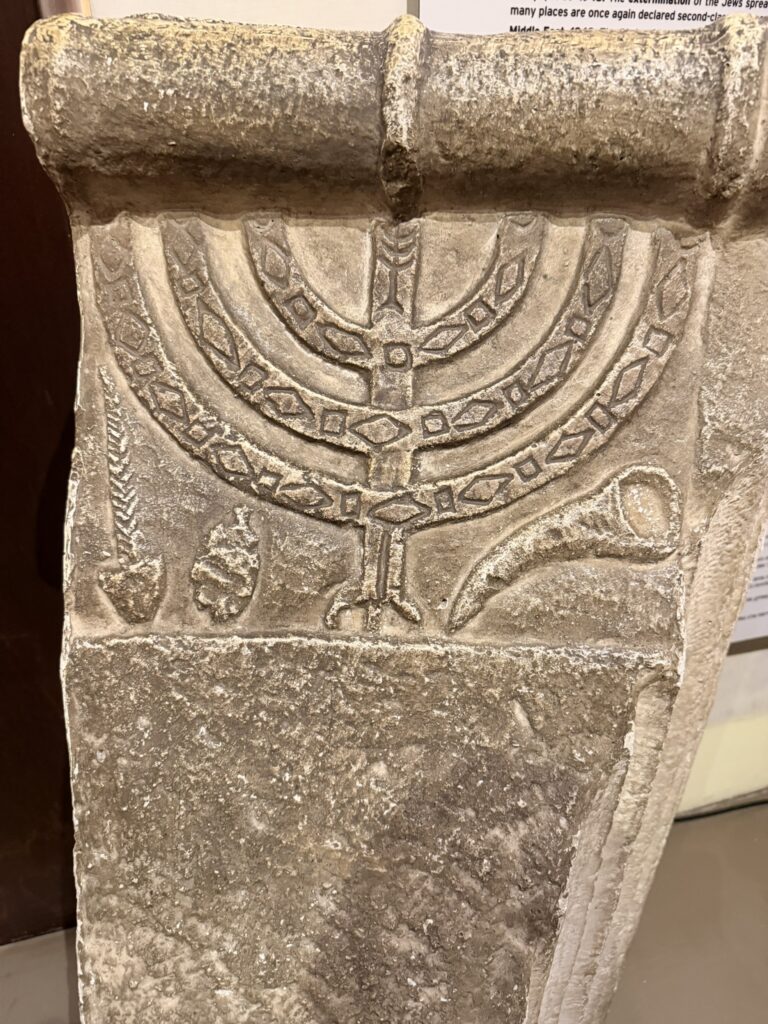
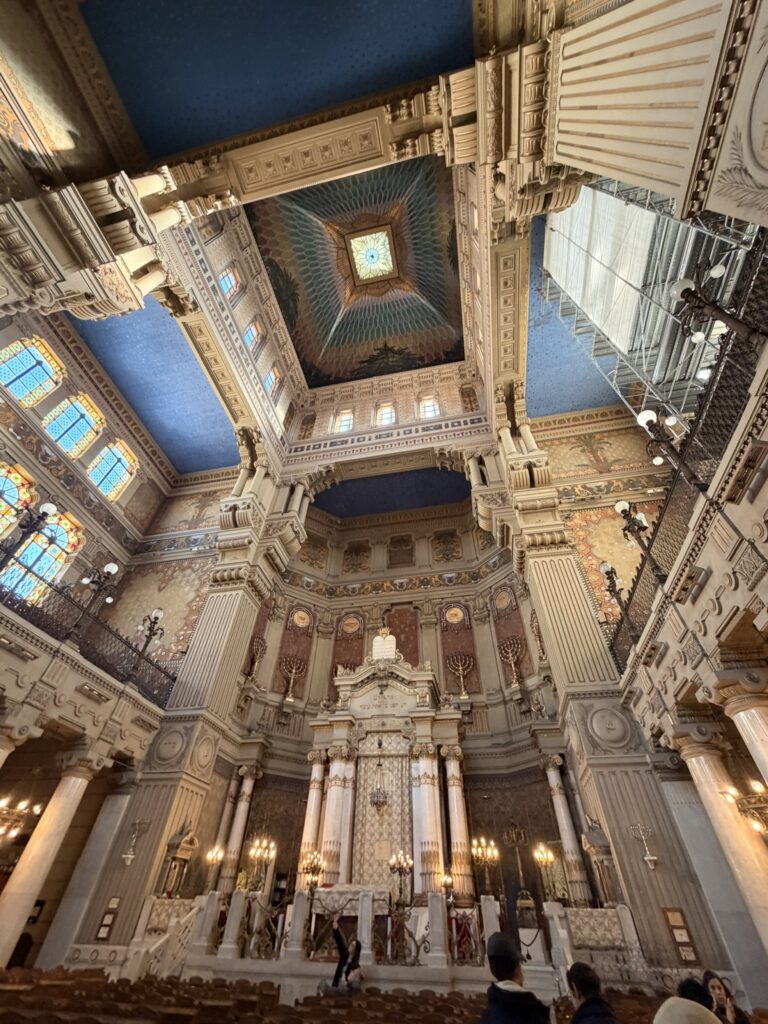
Friday morning we met Sara from Roma Kosher Tours (@romakoshertours) for a Jewish Ghetto walking tour: the Portico d’Ottavia, the Jewish Museum of Rome (Torah mantles, crowns, and an ancient scroll), and inside the Tempio Maggiore itself. The synagogue is beautiful, and I highly recommend doing a tour of it, especially as part of a ghetto tour. Sara was fantastic. She’s a many-generational Roman Jew, and she told us about her own ancestors who survived the Nazis – the kind of story you only get from a guide whose family lived it.
We ate lunch at Fonzie Burgers (@fonzieburgers, “The Smash” location in the Ghetto). We enjoyed double smash burgers with the works and fries.
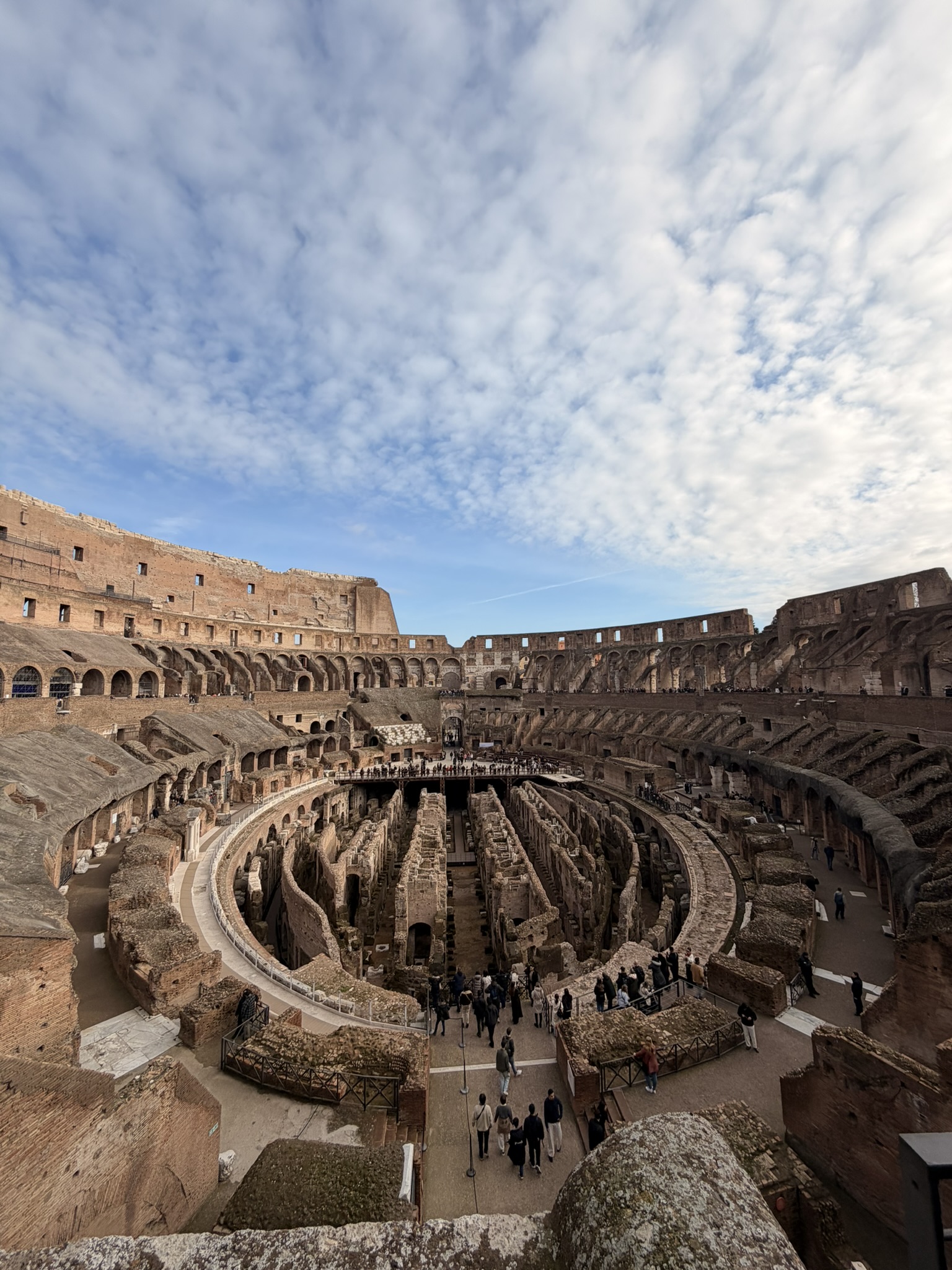
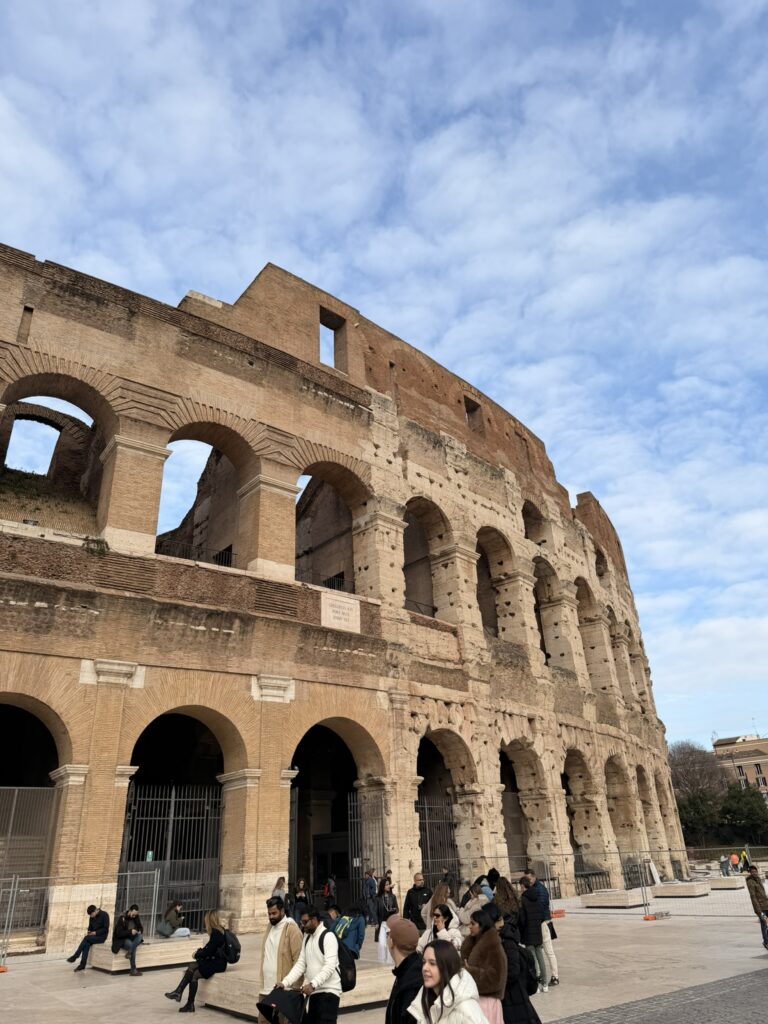
The afternoon was our second tour with Sara, covering ancient Rome: the Colosseum, the Roman Forum, and the Arch of Titus. I loved Sara’s take on the Arch of Titus, the arch that depicts the pillage of Jerusalem and the Jewish slaves brought back to Rome. Standing under it, she put it perfectly: “Where are you, Titus? We are still here, and the ancient Romans are history.”
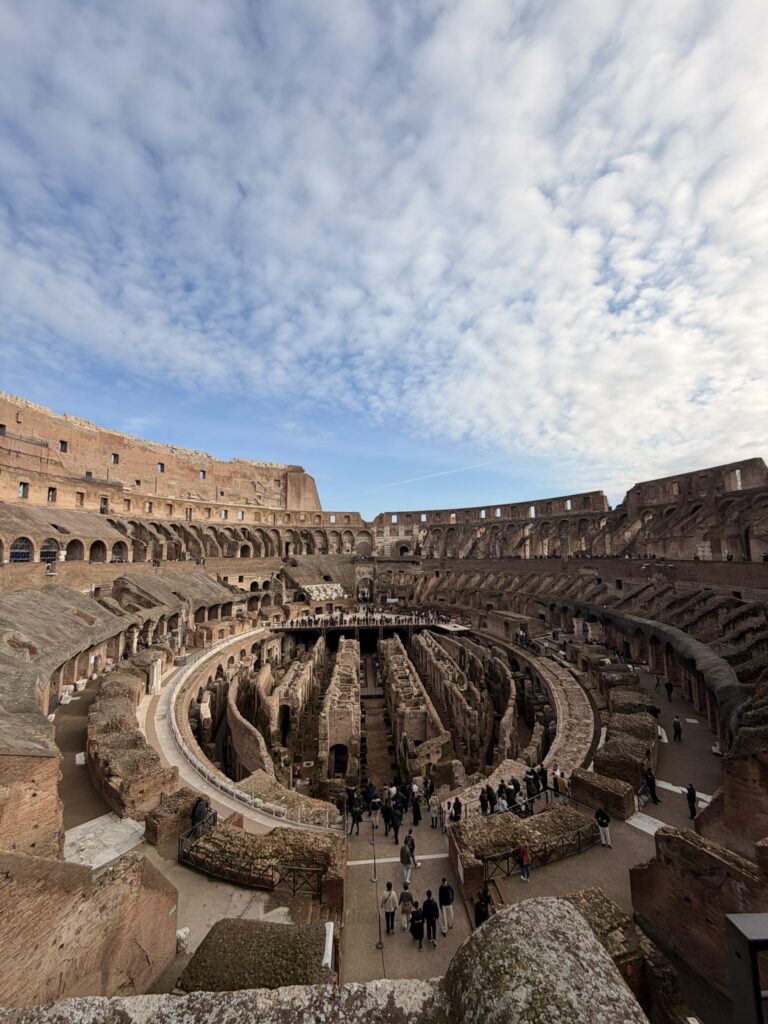
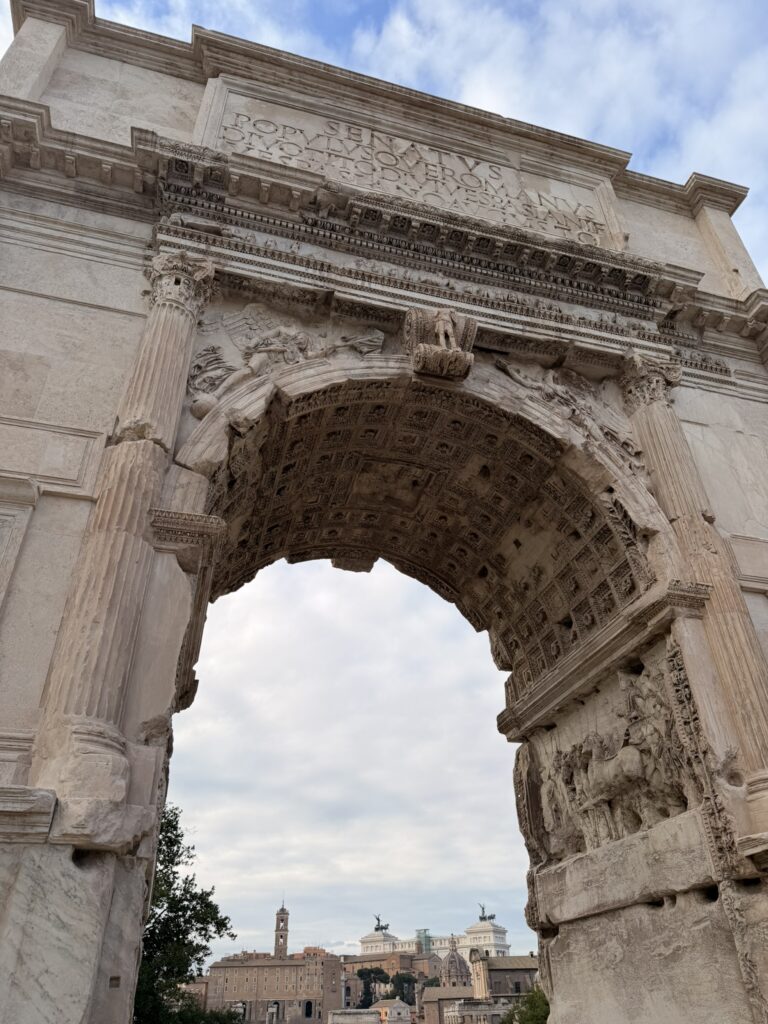
We returned to the apartment before Shabbat. Shabbat begins early in January, so the afternoon was for getting back, getting ready, and heading to shul.
The Shabbat arrangements for our visit were straightforward: we registered all four of us in advance with the Rome Jewish Community’s security office for Shabbat at the Tempio Maggiore (the community’s Central Synagogue). Registration is required – you can’t just walk in – so arrange it before you travel. Friday night davening arrival was 4:20pm.
Day 7 (Shabbat): Davening and meals in the Ghetto
Saturday morning davening was at 8:30am at the Tempio Maggiore. One important note: the nusach of this shul is unique – it’s neither Ashkenazi nor Sefardi – and while it was beautiful, beyond Kabbalat Shabbat the rest of davening was difficult for us to follow along. Definitely an interesting Jewish experience. We also noticed that everyone in the community – men and women – comes to synagogue Friday nights and Shabbat day; it’s a scene and the place to be for the locals. Davening in Rome’s Great Synagogue, in the heart of the Ghetto, with the community, is an experience I’d recommend to any Jewish traveler.
We ate Shabbat lunch at Ba Ghetto Roma, which we booked directly with the restaurant beforehand. In the winter you can likely book the week of, maybe even the day before. In the warmer months they book up well in advance, as do the other Ghetto kosher eateries that are open for Shabbat meals.
We spent Shabbat afternoon in the Ghetto and went out again after Shabbat.
We ate dinner at Yotvata (@yotvatarestaurant), the kosher dairy restaurant in the Ghetto: a schnitzel-style fried dish, fried zucchini and artichokes, rigatoni, a serious cheese-pull pasta, and pizza.
Our walk that night took us past the Pantheon, Trevi Fountain, the Spanish Steps, and Piazza del Popolo, all lit up, all walkable.
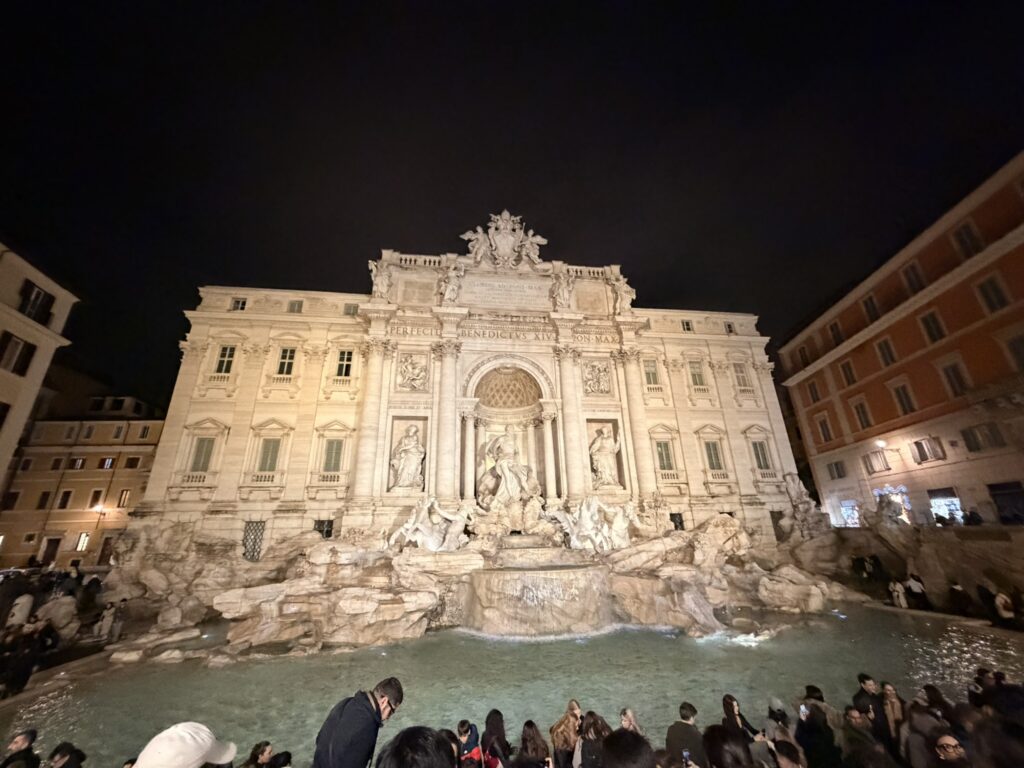
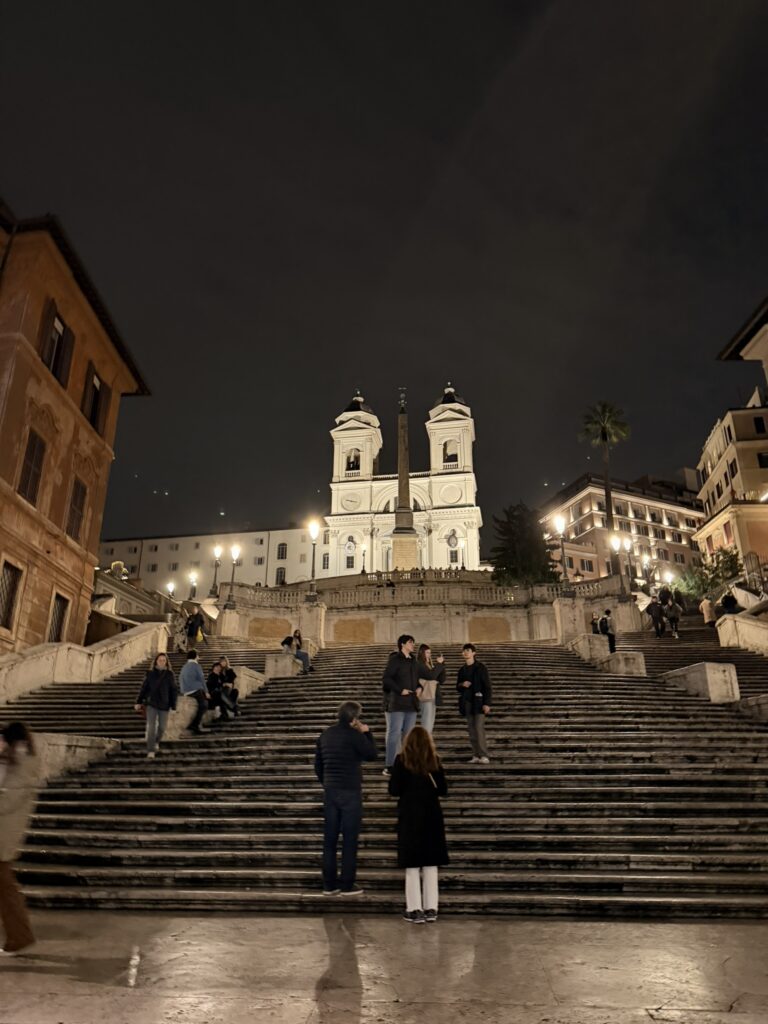
We finished the evening at Marlene’s Gelateria (@marlenesgelato). We stopped for gelato even on a January night.
Day 8 (Sunday): A kosher food tour of Rome
Sunday was a full-day Jewish kosher food tour of the Ghetto and the historic center with NEMAN Collection founder Nofar Kashi, an Israeli who has lived in Rome with her family for many years. NEMAN also runs these kosher Rome food tours, and Nofar’s local perspective tied the food to the story of the city’s Jewish community. Our stops included the following places and foods.
At Boccione / Pasticceria Limentani, we visited the bakery of the Ghetto (“the burnt bakery” – look for the crowd, not a sign), and ate pizza ebraica, the dense burnt-top fruit-and-nut cake that’s been made here for generations, plus ricotta-and-sour-cherry crostata and maritozzi. These are traditional Jewish Roman pastries.
We stopped for more pizza al taglio at Bona, watching the counters and ovens work.
We ate suppli, Rome’s fried rice balls, the local answer to arancini.
We visited a cheese shop for wedges and a cheese board with honey.
We visited a fresh pasta shop (Gigli and friends) and bought roasted chestnuts from a street cart.
We walked through Campo de’ Fiori market and the Ghetto’s Judaica shops.
We stopped for gelato.
The food tour let us visit several bakeries and shops on foot in one day.
Day 9 (Monday): The last morning in Rome
Our last morning stop was Antico Forno, the other beloved Ghetto bakery, to stock up before the airport.
We left for Rome Fiumicino Airport (FCO) in the mid-afternoon and flew ITA Airways home to John F. Kennedy International Airport (JFK). One small tip from the tail end of the trip: if you’re shopping in Italy, keep your receipts together – the VAT tax refund process at FCO is worth the few minutes. And if you lose something on the flight, ITA’s lost-items process exists, though I can’t say it found our item.
Planning, locations and kosher information
Do the open-jaw route. Fly into one city and out of another (or connect same-day like we did) so you never backtrack. Venice -> Florence -> Rome is a clean southbound line.
Take the Frecciarossa between cities. Venice-Florence took us 2 hours 13 minutes and Florence-Rome 1 hour 37 minutes, city center to city center. Evening departures (we took 7:26pm and 5:48pm) let you sightsee a full day and sleep in the next city.
Book Shabbat in Rome weeks ahead. Registration with the Rome Jewish Community’s security office is required for shul, and Shabbat meals should be reserved in advance – well ahead in the warmer months, while in winter you can often book the week of. Winter Shabbat starts early – our Friday arrival time at shul was 4:20pm.
Sleep in the Ghetto in Rome. Nearly every kosher restaurant and Jewish site we used sits within a few walkable blocks of the Portico d’Ottavia.
Check whether your card offers a hotel benefit. Our two-night Florence family suite was covered by Citi’s Annual Hotel Savings Benefit, apart from about $55 in local taxes.
Book the big sights ahead even in January, including the Doge’s Palace, Accademia and Uffizi. We booked the Vatican directly with our guide (David Walden, above).
We found short lines and cool walking weather during our January Yeshiva Week trip. The kosher restaurants we visited were open.
Bona Pizza is Chalav Yisrael. Marlene’s is the only Chalav Yisrael kosher gelateria in Italy that I am aware of. Kosher supervision varies by restaurant and can change. Check the current hashgacha before your visit.
To find kosher restaurants wherever you’re traveling, download our free kosher restaurant app for iPhone and Android.