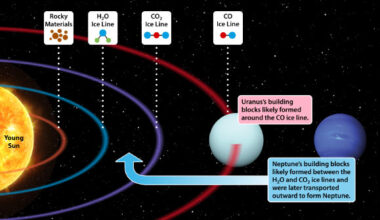
SScience Read More Uranus and Neptune May Have Taken Different Paths to Becoming Ice GiantsOctober 20, 2026 Uranus and Neptune are often described as near-twins, but a new study suggests their chemistry, and possibly their…
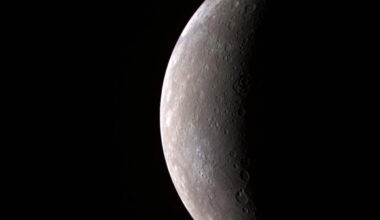
SScience Read More Mercury Has Shrunk Even More than Planetary Scientists ThoughtSeptember 14, 2026 The Solar System’s smallest planet has contracted by nearly 19 km (12 miles) across, as crater debris masked…
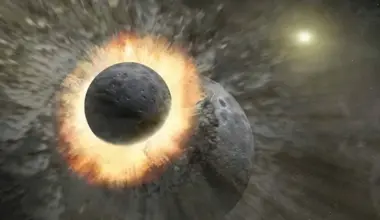
SScience Read More The Moon may have formed almost intact within hours of Theia smashing into EarthSeptember 13, 2026 New simulations of the Moon-forming giant impact show that treating the early Earth and Theia as realistic geological…
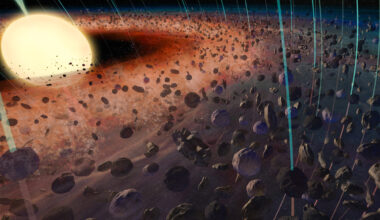
SSpace Read More Meteorite dust holds records of magnetism that may have helped form the sun | MIT NewsAugust 24, 2026 Magnetic fields are generated by matter that is electrically charged and moving around. In the very early solar…
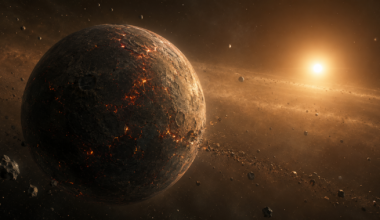
SScience Read More Rare meteorite points to a long-lost planet from our early solar systemJune 12, 2026 A meteorite found in the Sahara is forcing scientists to rethink what kinds of worlds once circled the…
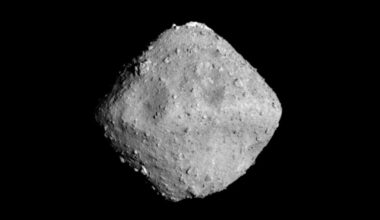
SSpace Read More DNA building blocks on asteroid Ryugu, bacteria that eat plastic waste, and more science newsMarch 21, 2026 Remember when Japan sent a spacecraft to an asteroid 180 million miles away to scoop some dirt off…
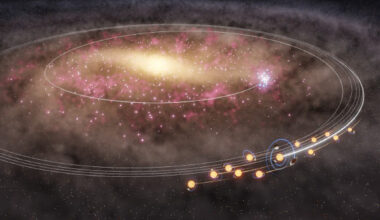
SSpace Read More Sun May Have Escaped Milky Way’s Crowded Core Billions of Years AgoMarch 14, 2026 Using a vast catalog of Sun-like stars built by ESA’s Gaia mission, astronomers have found strong evidence that…