SScience Read More Paleontologists Identify New Hyaenodont Species in PakistanMay 30, 2026 Paleontologists have recovered the fossilized remains of three hyaenodont species, including one previously unknown to science, from Miocene…
SScience Read More 490-Million-Year-Old Arthropod Fossil Fills Puzzling Gap in Fossil RecordMay 29, 2026 A new species of corcoraniid arthropod that lived during the Furongian epoch, between 497 and 487 million years…
SScience Read More Rare Ostrich-Like Dinosaur Fossil Found on Canadian IslandMay 25, 2026 Paleontologists in Canada say they have recovered a dinosaur tail vertebra from 75- to 80-million-year-old marine rocks on…
SScience Read More 83-Million-Year-Old Crocodile Lizard Fossil Unearthed in FranceMay 22, 2026 Paleontologists have identified a new genus and species of pan-shinisaur lizard from a partial upper jaw discovered in…
SScience Read More New Species of Giant Long-Necked Dinosaur Identified in ArgentinaMay 12, 2026 Fossils unearthed on a remote Argentine ranch belong to a new genus and species of macronarian sauropod dinosaur,…
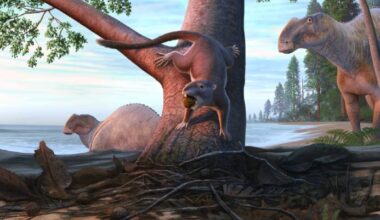
SScience Read More Omnivorous, Rodent-Like Mammal Lived in Dinosaurs’ Shadow on Pacific CoastApril 30, 2026 Paleontologists have descibed a new species of the multituberculate mammal genus Cimolodon based on a fossil found in…
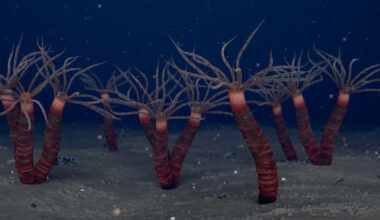
SScience Read More 450-Million-Year-Old Fossils Reveal Strange, Tube-Dwelling Jellyfish RelativeApril 22, 2026 Paleontologists have identified a new genus and species of soft-bodied, tubicolous polyp medusozoan from well-preserved specimens found about…
EEnvironment Read More Stalling ASEAN renewables leave gap for Japan’s fossil fuel tech pushMarch 13, 2026 The Japan-led Asia Zero Emission Community, which embraces a “one goal, various pathways” to decarbonization, is not only supporting…
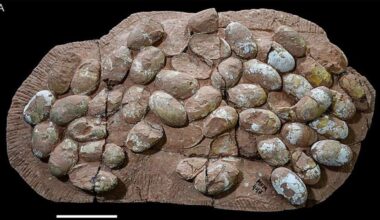
WWildlife Read More World’s largest clutch of 47 Mesozoic crocodile eggs found in BrazilMarch 8, 2026 In a famous fossil bed in Brazil, researchers have discovered a new treasure of three egg clutches. These…
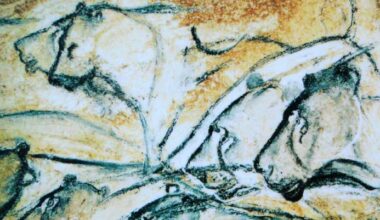
WWildlife Read More Japanese Archipelago Was Once a Refuge for Cave LionsFebruary 14, 2026 Between 73,000 and 20,000 years ago (Late Pleistocene), the Japanese Archipelago was inhabited by cave lions (Panthera spelaea),…
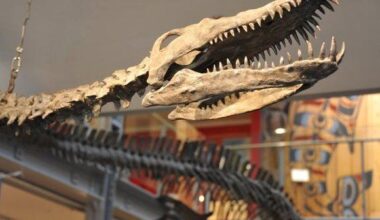
SScience Read More How a Comox Valley fossil discovery forever changed paleontology in B.C. | Spare NewsFebruary 5, 2026 In late autumn 1988, Richard Hebda — then head of botany at the Royal BC Museum — stepped…
SScience Read More How a Comox Valley fossil discovery forever changed paleontology in B.C.February 5, 2026 In late autumn 1988, Richard Hebda — then head of botany at the Royal BC Museum — stepped…