
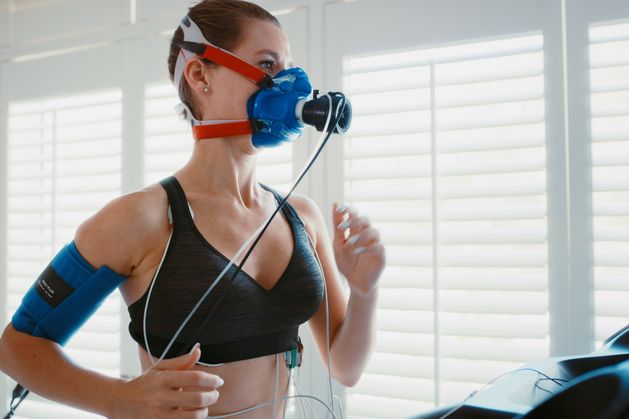
Doctor Grant replies: A low resting heart rate (RHR), defined as below 60 beats per minute in a well 40-something female, is generally a sign of good cardiorespiratory fitness. Much like low blood pressure in healthy young people, it’s unlikely to be a problem unless you feel frequent episodes of light-headedness or, have episodes of passing out (syncope) or, nearly passing out (pre-syncope).
In fact, young, fit, active teenagers and elite athletes may have RHR below 40 beats per minute.
Another general rule is: the fitter you are, the longer you are predicted to live. As your recent heart checks all came back normal, I doubt you need any more checks. Instead, I wonder if you are doing moderate-to-intense cardiovascular exercise every week, and if so, how much?
You may have been unwell recently or too busy to make time for exercise that might explain a rising RHR. During an illness, as a natural response to the illness, athletes tend to notice a temporary rise in their usual RHR.
You could consider arranging a VO2 max test, as this is the ultimate test of your level of fitness. VO2 max stands for the maximum (max) volume (V) of oxygen (O₂) your body is able to use during exercise. It’s the gold standard for measuring aerobic fitness. Females tend to have slightly higher RHR, as their hearts are typically smaller than males. According to WHOOP ( a brand of tracker watch) data, the average RHR of females is 58 beats per minute and 55 beats per minute in males. Of course, people who wear WHOOP trackers tend to be active and therefore these RHRs are lower than the national average RHR. You already mentioned reducing caffeine – consider alcohol and nicotine cessation (if applicable). If you gained extra body fat recently this could also explain an increase your RHR. Medications such as decongestants may cause a temporary rise in RHR.
RHR is affected by sleep. Do you go to bed at the same time every night and get up at the same time every morning? How many minutes are you awake overnight? Any recent reduction in these sleep variables may temporarily increase RHR. Lastly, recent stress, especially when associated with sleep disturbance, will lead to increased RHR.
If you wish to make an effort to reduce your RHR, you firstly need ensure you are feeling well enough to gradually increase your aerobic training. One of the best ways to know if you are ready to train, on any given day, is to track your heart rate variability (HRV). A lot of fitness trackers, especially WHOOP, assess the variance in time between heartbeats (HRV) to help indicate how well your body can perform. The higher the HRV the more ready to train you are. Everyone has a different range of normal and you need to wear a tracking device for a few days before yours can be estimated. HRV is influenced by age, gender, race, baseline physical fitness, sleep, underlying medical conditions and medication use. Consider trying a mix of activities such as swimming, cycling, rowing, ski-erg or running, even HIIT, on different days.
Rest days could include yoga, pilates, sauna or walking. The Norwegian 4 x 4 method is proven to increase fitness. This should be done once per week and involves four minutes at 85-90pc max heart rate exercise (usually on a bicycle or running) followed by three minutes at 60-70pc max heart rate, repeated four times.
Dr Jennifer Grant is a GP with Beacon HealthCheck