

Intermittent fasting has been a phenomenon in the fitness world for at least a decade, and the one-meal-a-day (OMAD) version is the ultimate extension of how it can work. I’ve used the basic concepts of OMAD as part of my daily running program, but I’m also one of many people who have had to make some significant adjustments along the way.
Which raises a relevant question: Can you really use OMAD to hit your fitness goals, or is it just a come-and-go option that’s too difficult to implement? And if you are going to go for it, how do you actually make it work?
To answer these questions and get some relevant thoughts, I turned to Jenna Stangland. She’s a registered dietician who consults for Momentous, and Stangland has also worked for two of Minnesota’s pro teams, the Wild in the NHL and the Timberwolves in the NBA.
The basics of OMAD and the possible benefits
asiandelight / Shutterstock
Stangland’s definition of OMAD is the strictest one that rules out possible variations. She defines it as an extreme intermittent fast of 23 hours, with a single hour of the day reserved for consuming all your daily calories. Given those parameters, it’s important to nail your target number, and you also have to account for your macronutrient proportions.
“[The] benefits of OMAD are weight loss as a result of a calorie deficit,” she says. “Because this diet is just a single hour of eating a day, it provides simplicity with eating, meal planning, and preparation. This could be an appropriate diet for someone who needs food simplicity and doesn’t have a ton of time for meal prep.”
There are other benefits as well. Extended periods of fasting trigger cellular repair, starting a process called autophagy. In addition to repair, this process also helps remove old, damaged cells.
“This could be beneficial for someone with digestive health issues or chronic stress on the body,” she adds.
But there are also people who shouldn’t be doing OMAD. Stangland includes pregnant people, women who are breastfeeding, individuals with hypoglycemia, and anyone with an underlying medical condition or a history of eating disorders as members of the population at large who should avoid OMAD.
Using OMAD for basic weight loss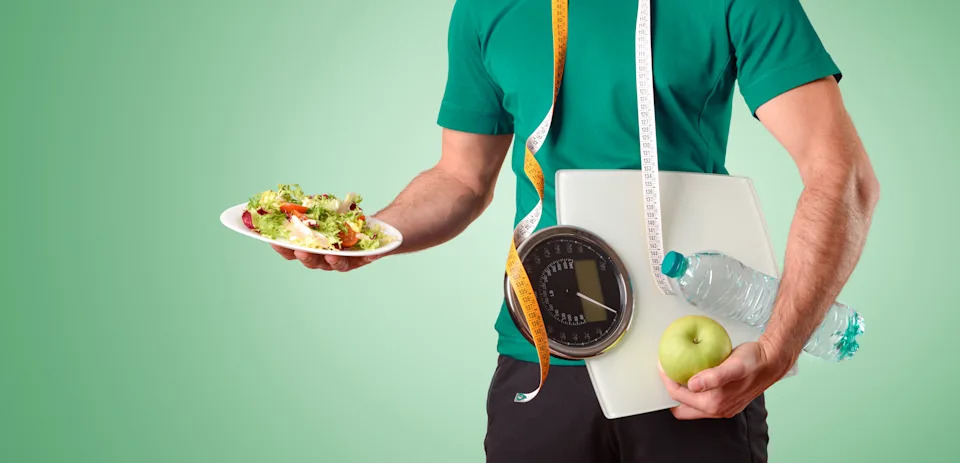
Davizro Photography / Shutterstock
Many people explore OMAD with this goal in mind, and Stangland sees it as the best fit of all the categories covered here. To reach it, though, you need to build out a plan that includes the familiar elements of a healthy diet — i.e., lean protein, healthy fats, complex carbohydrates, and a variety of vegetables.
Hydration is also essential. It helps maintain your energy level while maintaining cell functions, and it also helps promote proper digestion. (Not to mention keeping us alive in the first place, given that our body composition is mostly water.)
“To successfully lose weight and have that weight be more body fat than muscle, getting lean proteins in is a must,” Stangland says. “There are plenty of lean proteins to choose from, ranging from grilled chicken, any type of fish, tofu, legumes, and legume pastas and flours, with chickpea pasta [and] pea flour as examples.”
Adding basic fitness to your weight loss OMAD program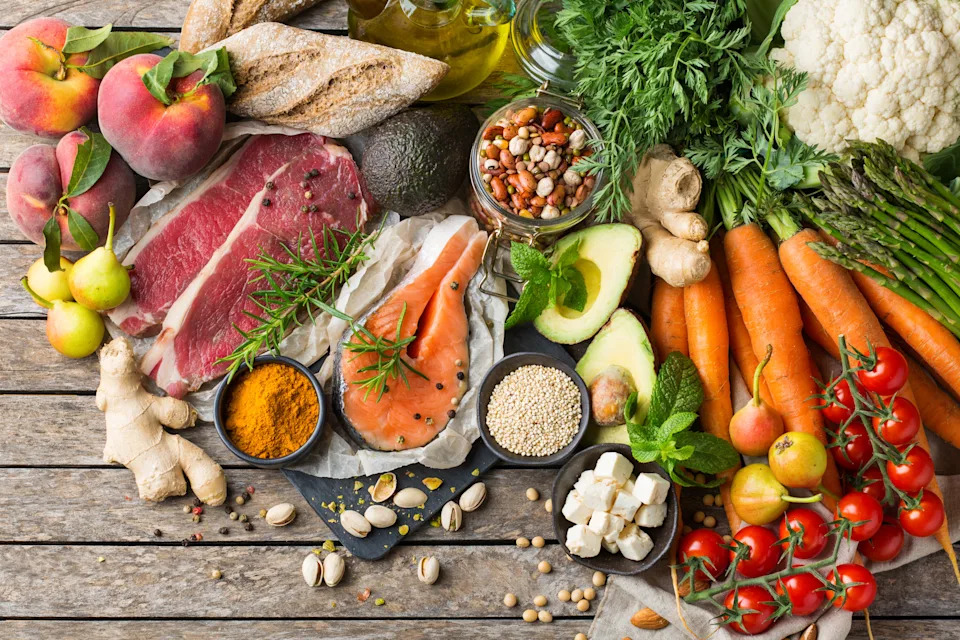
Antonina Vizrova / Shutterstock
If you want to stay fit while losing weight with an OMAD program, the eating equation gets a little more complicated. You’ll need to consume both complex carbohydrates and protein during that hour of eating, and timing becomes a key component as well.
“An adjustment that can help make this sustainable is being mindful of the timing of the one hour of eating and when the fitness is happening,” Stangland says. “If [your] workout is 60 minutes or less, you can do your workout during the [fasting] hours and have your hour of eating post-workout.”
Once again, hydration is essential. In addition, Stangland recommends adding some salts for electrolytes as the final piece of this particular OMAD puzzle.
Attaining aerobic fitness with OMAD
OSTILL is Franck Camhi / Shutterstock
This OMAD variation also comes with some complications. Specifically, you need more energy for activities and sports like running, cycling, soccer, tennis, etc. That means you need more calories from complex carbohydrates, and you need to adjust your meal window so that it occurs before that activity if you’re going to get after it aerobically for 90 minutes or longer.
Supplements can help with this, too. Stangland recommends creatine to support cognitive functions and help muscles stay hydrated, and a carb supplement for fuel is a good idea, too. Dense carbs like honey, dried tart cherries, dried mangoes, and dates can also fit the bill.
In her role as a consultant for Momentous, Stangland recommends Momentous Creatine for cognitive functions and muscle support, and Fuel as the carb supplement.
Strength training on an OMAD program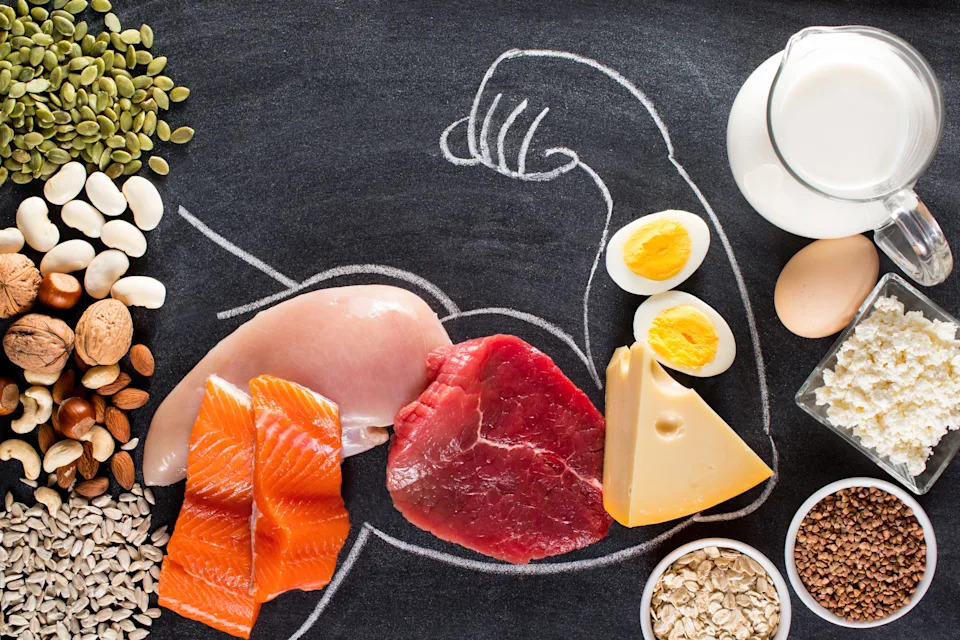
Evan Lorne / Shutterstock
The calorie equation shifts once again for strength training.
“[You need] to be in a calorie surplus to support muscle training and growth,” Stangland says. “Being on an extreme intermittent fasting diet will make this very challenging.”
There are ways to meet the challenge, however.
“One option would be to consider practicing OMAD on five days out of the week, and having two days to eat multiple times a day and not have a time restriction,” she says. “This could help increase calories consumed for those two days to balance out the five days on OMAD.”
If your goal is to maintain weight, get stronger, and put on muscle, adding a protein powder can help. Stangland recommends eating at least 25 percent of your total calories from protein, or getting at least one gram of protein per pound of body weight.
“OMAD would keep calories low to [keep from bulking up], and you [can] adjust to increase total protein intake to support repairing and rebuilding your muscles to get stronger,” she says. “Timing the strength training workouts to be fasting before, with the single hour of eating to be after the workout, would be optimal.”