
The rulings cover a range of issues such as misleading pricing and unclear advertising disclosures.
An advertisement by An Post was considered misleading as it did not stipulate that the advertised prices for a pre-paid mobile phone offer were only available to new customers and not existing ones, it said.
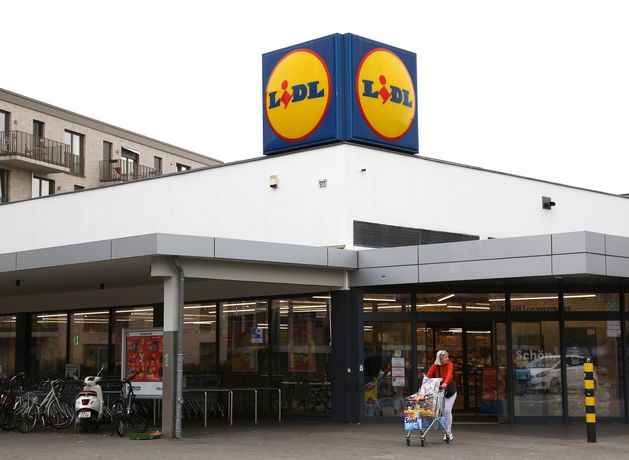
Lidl’s website, brochure and in-store displays for metal shelving were ruled misleading after the €5 Lidl Plus discount was not stated to be limited to one item per customer.
Bord na Móna was found in breach after its online tool indicated that a waste-collection service was available at a customer’s address, but delivery could not be completed because the address fell outside the service area.
HelloFresh and influencer @twins_and_me_ had a complaint upheld after an Instagram story featuring a meal kit discount code and the word “Ad” in white text was not considered a clear disclosure of advertising.
However, the advertising watchdog noted that a number of complaints were not upheld.
An Post, Lidl, Bord na Móna and influencers have had complaints upheld against them by the Advertising Standards Authority (ASA). Photo: Alamy/PA
This included Cairn Homes that received a complaint for misleading content, but it was found not to break consumer rules.
The latest ASA complaints bulletin showcases the role the organisation plays in protecting consumers, according to Orla Twomey, the chief executive of the ASA.
“ASA’s mission is to protect consumers from advertising that is harmful, misleading, or offensive.
“Our latest complaints bulletin showcases the wide-ranging ways we uphold honesty, transparency, and integrity across Ireland’s advertising landscape,” she said.
This latest release comes as the ASA held a conference last week in conjunction with Revenue to increase awareness for users to be clear when posting promotional content.
The advertising watchdog reported an increase in public frustration with undisclosed advertising.
Ms Twomey last week said Irish consumers do not like be to misled and are quick to report influencers who fail to label commercial content.
Recognition of the label #ad has risen from 47pc in 2022 to 63pc this year, while 76pc of respondents believe online promotions should be regulated to the same standard as traditional media.
“Consumers want to know when they’re being advertised to,” Ms Twomey said.
In total, nine cases were upheld in full and one in part. Three complaints were not upheld.