
Unlock the Editor’s Digest for free
Roula Khalaf, Editor of the FT, selects her favourite stories in this weekly newsletter.
Nokia has unveiled plans to split its artificial intelligence operations into a separate unit from its telecoms business as it moves to expand the use of AI in its networks.
The Finnish group said on Wednesday that a new network infrastructure division would house its AI and data centre businesses, while the core telecoms network operations would be part of its mobile infrastructure unit.
The AI push comes just weeks after Nvidia invested $1bn in Nokia.
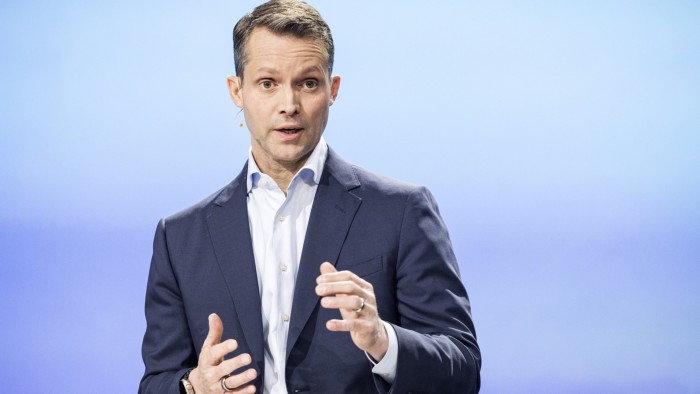
“As the trusted western provider of secure and advanced connectivity, our technology is powering the AI supercycle,” said Nokia chief executive Justin Hotard.
The network infrastructure business is being positioned as a “growth segment” and will include its optical and internet protocol networks and broadband infrastructure.
While the AI and telecoms divisions will be the company’s primary operating units, the group will also create a smaller, separate defence unit as part of a wider push into that market and build on Nokia’s federal solutions operation in the US.
The moves come as Nokia continues its resurgence under Hotard, who joined from US chipmaker Intel in April. Investors have supported the company’s move away from its core network infrastructure in search of faster growth from AI and cloud services.
Nokia shares hit a decade high after Nvidia’s investment was announced last month, before losing ground amid wider market fears about the valuations of AI-related stocks.

The group also announced a new long-term financial target to achieve a comparable operating profit of between €2.7bn and €3.2bn by 2028, up from €2bn in the past 12 months.
Nokia has deemed several businesses, including its fixed wireless access and microwave radio, as non-core and will decide on their future next year.
Nokia shares fell more than 5 per cent in afternoon trading in Helsinki following the announcement.