
Some €27.4bn worth of goods were exported in the month, up €10bn or 57pc on the figure for August. The most notable spike was in sales to America, with the value of exports going there increasing from just over €4bn in August to €16.28bn, a surge that may not go unnoticed in the White House.
The increase is largely down to pharma, with exports of chemicals and medicines increasing by almost €8bn or over 73pc, to €18.7bn in September compared with the same month last year. This equates to almost two-thirds of all exports.
Kate English, chief economist at Deloitte Ireland, said: “While the rise in pharma exports may jump out, digging beneath the headline figure shows there are positive increases in exports of beverages, machinery and transport equipment year-to-date, which is good news for Ireland’s economy.”
Noting that pharma exports to the US were up 227pc compared to the same month last year, Ms English said the reason for this was not clear.
“Overall, despite the pharma spike in September, export volumes continue to be steady. Given the volume of front loading at the start of the year, there was a risk exports would collapse in the second half. As of September, that is not evident in the data,” she said.
The Irish Fiscal Advisory Council has noted that the surge in pharma exports to the US this year is down to one product category: protein- and peptide-based hormones. This includes the active ingredients used to make the weight-loss drug Mounjaro, which is becoming increasingly popular in America.
“Company financial statements show US sales of these weight-loss and diabetes medicines hit $7.1bn in Q3 2025, almost double the total in Q3 2024,” an IFAC report published earlier this month said.
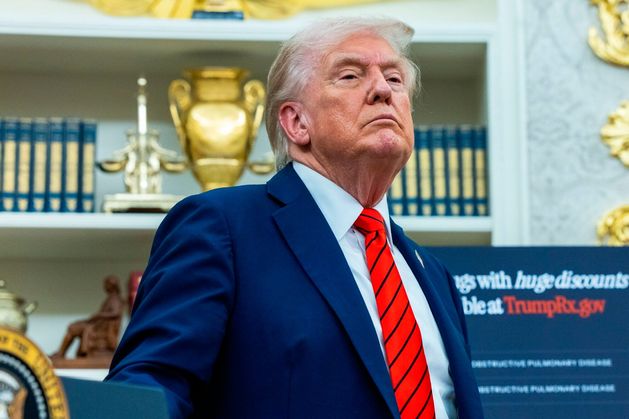
The pharma sector had been operating under the threat of a sector-specific tariff from Trump. However, this has receded since the US confirmed that the general 15pc tariff on EU imports will also apply to pharma, and only after a Section 232 investigation has concluded, with no sign of this happening.
Overall, exports of goods were up by €6.2bn or almost 28pc, year on year to €28.5bn in September. Imports were also up, increasing by €399.2m to €11.1bn that month compared with September 2024.
Separate figures released by the Department of Agriculture show that Irish agri-food exports achieved a record value of €19bn last year, up 5pc by value on the previous year. Reaching over 190 markets, they accounted for 8.6pc of all overseas sales.
Robert Purdue, a manager at global financial services firm Ebury (Ireland), said the rise in exports was encouraging given the drag created by US tariffs.
“However, with pharmaceuticals continuing to make up the bulk of Ireland’s exports, the sustainability of this growth could be hampered if the US introduces further punitive measures on this booming sector,” he said.
“With Simon Harris now heading the finance ministry, the pressure will be on to protect the pharmaceutical sector – one of the most important revenue drivers – while also supporting smaller exporters that are being squeezed by this more restrictive trading environment.”