
Slices of glistening jamón, piles of prawns on ice, hot pans of paella, and cheeses, chutneys and desserts as far as the eye can see. For some, the hotel buffet is the highlight of a Spanish holiday.
But it is also an enormous waste of food: more than 1.2 million tonnes of food are thrown away every year in Spain, according to the agriculture ministry — about 28kg per person. At hotel buffets, an estimated 30 per cent goes uneaten.
Establishments from coastal resorts to the Canary Islands that regularly lay on bountiful spreads are facing legal action over the waste. In March the government introduced a law for the prevention of food loss and waste, with fines of up to €500,000 for the worst offenders.
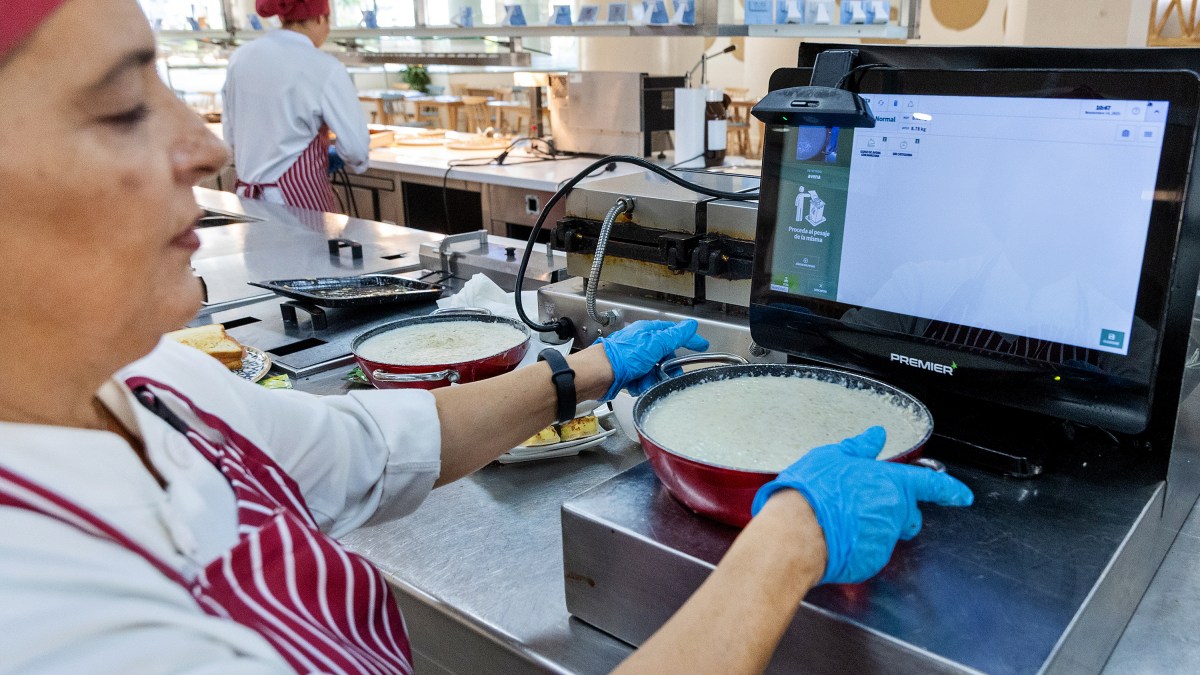
To avoid penalties, some hotels have turned to an unusual solution: Pancho, an artificial intelligence system with an electronic eye, which sits above their kitchen bin.
Pancho looks like a chunky tablet. Trained on more than a million images of buffet dishes, it identifies and records what is being scraped away, while a sensor weighs the amount that is being thrown out.
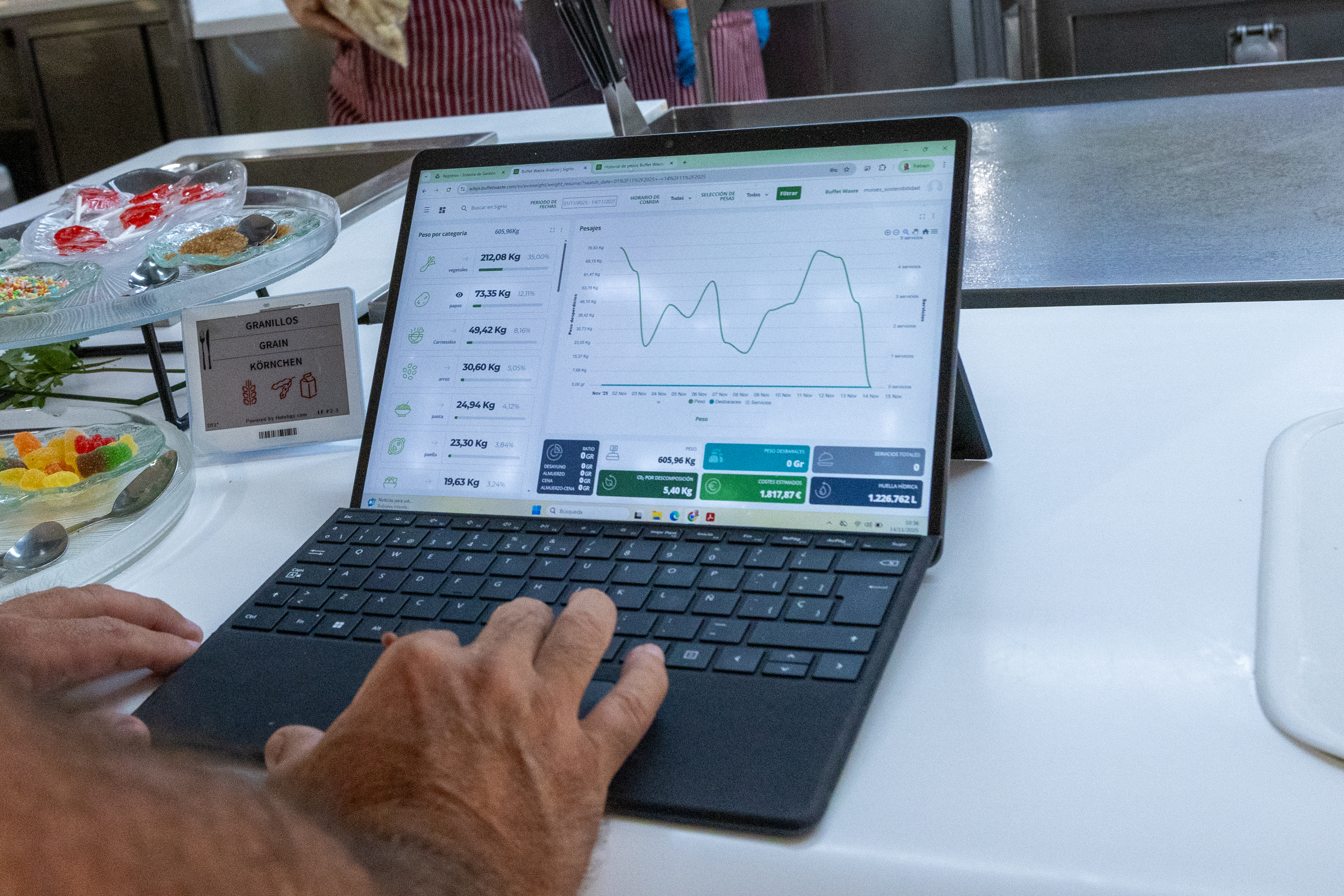
The data is analysed in the cloud, giving hotel managers insights into what is being wasted, which ingredients to buy or avoid, when to stop replenishing the buffet, and how factors such as guests’ nationalities, ages and even the weather affect consumption.
GERMÁN MAYMO FOR THE SUNDAY TIMES
• 18 of the best all-inclusive hotels in Spain
Visionary Hospitality, the company behind the Buffet Waste tool, also offers People Counter, which monitors how many guests are coming and going from the dining room so the output of the kitchen can be adjusted.
“We started by looking for the savings by controlling the amount of food that goes out to the buffet and just sits there,” said Antonio Álvarez, the chief executive. “But now we have created the tools with Pancho to control the actual production process.”
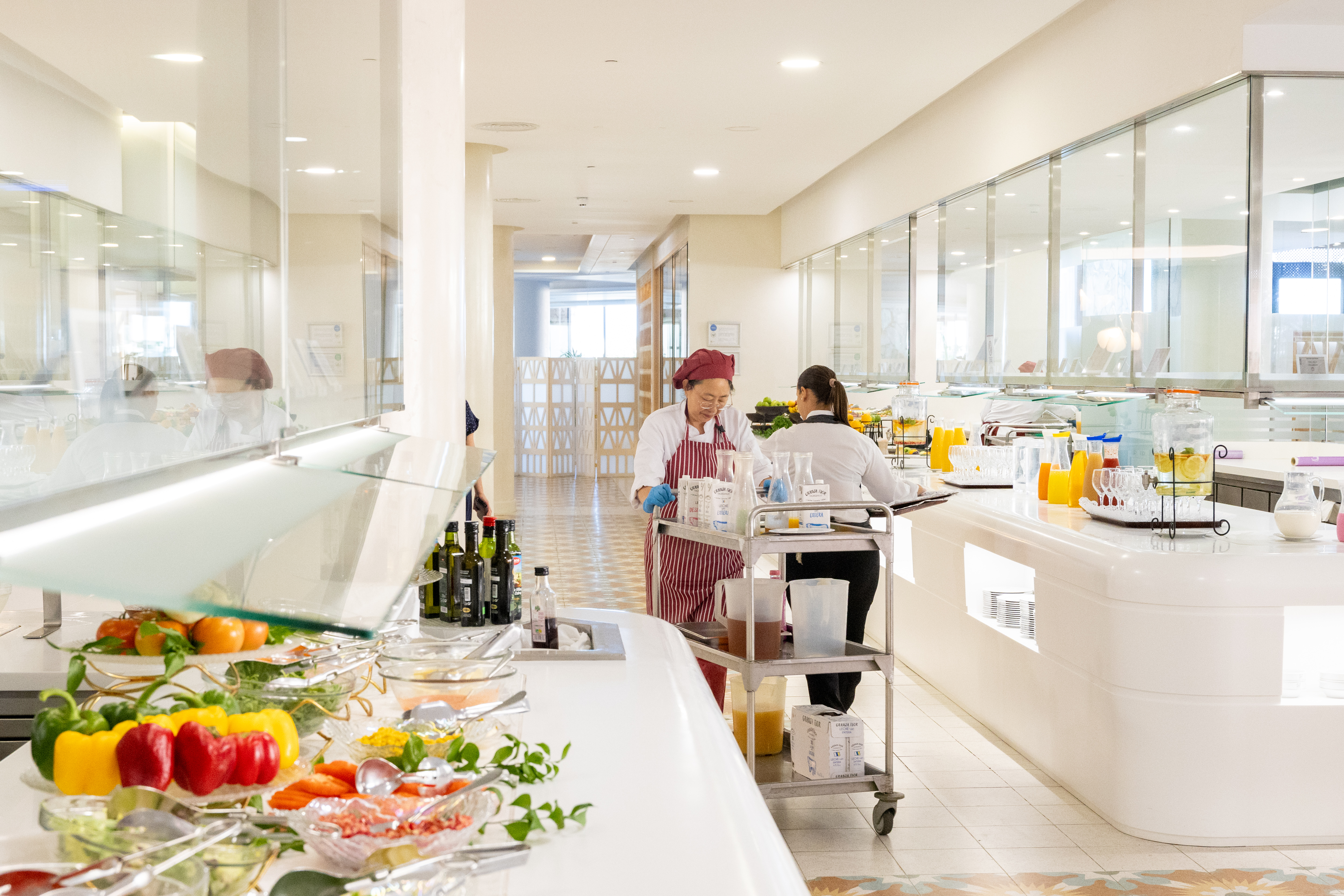
Breakfast at the GF Gran Costa Adeje hotel
GERMÁN MAYMO FOR THE SUNDAY TIMES
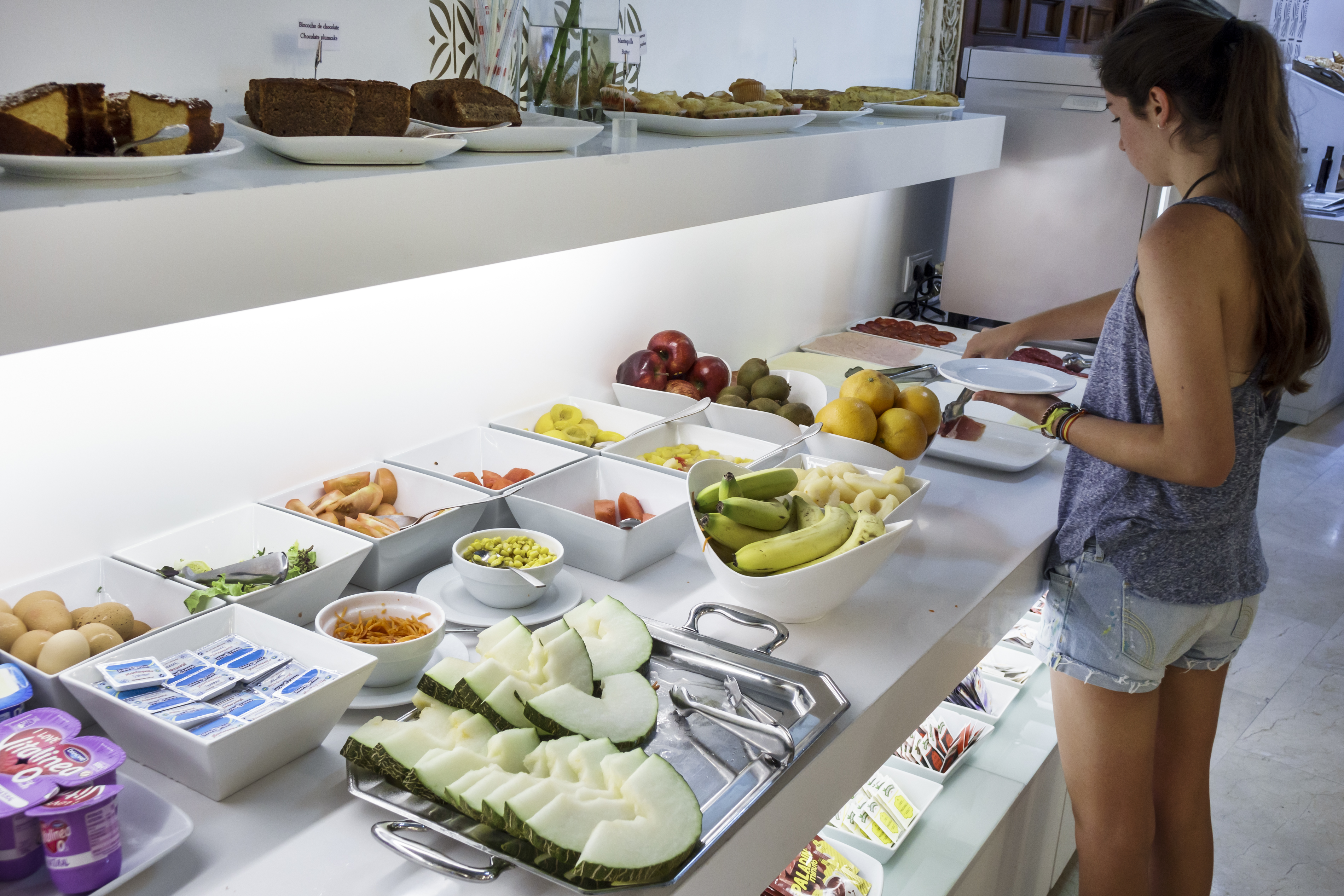
Different clients at each hotel will have different tastes — and Pancho can also help the kitchen to react to those appropriately, Álvarez said. “Types of fruit, for example, or eggs and sausages — even the way that they are presented changes, thanks to the data we have from Pancho.
“People have also changed their attitudes about throwing away food. We know that Spaniards leave a lot of food on their plates while other guests from Nordic countries are more aware of the issue of food waste and leave a lot less. All of that data is collected and organised and influences the production process and also the purchasing, so that less food is thrown away.”
The product is being used by about 40 clients. The Lopesan Hotel Group, which runs several hotels in Gran Canaria and Fuerteventura, expect to reduce food waste by 72 per cent this year after introducing Pancho — saving a total of 209,000kg of food and more than €726,000.
JEFFREY GREENBERG/UNIVERSAL IMAGES GROUP/GETTY IMAGES
Rodrigo Pérez, Lopesan’s communications director, said that in some of the company’s hotels, eggs, fruit and bread had been identified as high waste and quantities adjusted accordingly. “A significant change can be seen between what happens in a family hotel compared to an adults-only hotel, or even depending on the nationality,” he said. “In other hotels, food was being discarded due to its presentation.”
• I want my free hotel buffet back
Another chain, GF Hoteles, which runs several hotels in Tenerife, said the system had helped it to reduce its food waste by 60 per cent, the equivalent of a tonne a month.
Álvarez said his company is keen to expand into Mexico, and beyond hotels: “Cruise ships [have] buffets and enormous amounts of leftovers.”
A record 94 million tourists visited Spain last year. Ramón Estalella, general secretary of CEHAT, the Spanish federation of hotels, said reducing food waste was win-win for the hospitality industry. “The problem of food waste is not just a legal one, what really worries us at Spain’s hotels is the waste of money,” he said.
The federation has tried campaigns to try to encourage tourists not to pile up their plates with more than they can actually eat. “In some places we also have policies to educate the guests,” he said. “It’s a shame when that happens, but there’s little we can do if that’s what the guest wants.”