
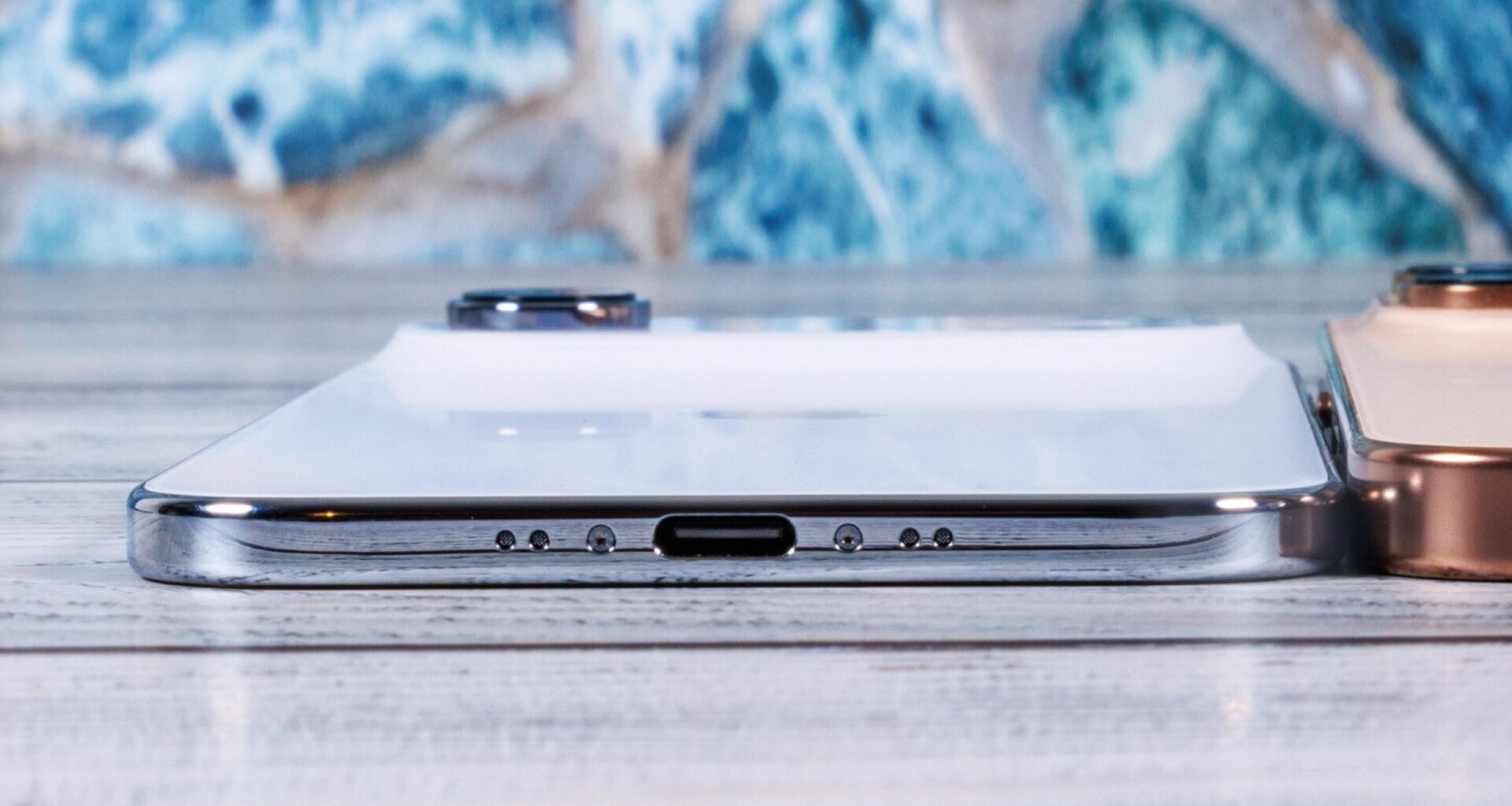
At just 5.6 mm (0.22 in) thick, the Apple iPhone Air is one of the thinnest smartphones available today, narrowly beating even the Samsung Galaxy S25 Edge (approx. $820 on Amazon) and Motorola Edge 70. However, Apple had to make significant compromises to achieve this slim profile. For instance, the device comes with a smaller 3,149 mAh battery than virtually all its competitors, and entirely omits ultrawide or telephoto cameras, like those found on the Pro models.
These limitations appear to have resulted in less-than-stellar iPhone Air sales, with production expected to cease by the end of November. Whilst Apple is said to be developing a second-gen iPhone Air, the rumoured device may not arrive until 2027. Citing anonymous industry sources, media outlet DigiTimes revealed that the company’s latest flop could have an impact on its competitors: Xiaomi, Vivo, Oppo and other smartphone makers may have either abandoned or at least revised their plans for ultra-thin devices.
Xiaomi was said to be developing a smartphone nearly as thin as the iPhone Air, but work on this model has allegedly been discontinued. With both the iPhone Air and the Samsung Galaxy S25 Edge – whose follow-up has reportedly been scrapped – falling short commercially, it should come as no surprise that phone makers are now rethinking their strategies. The intriguing question now is whether the Motorola Edge 70 will resonate more with consumers, given that it is not just slightly more affordable than Apple’s and Samsung’s ultra-thin flagships, but also features a sizeable 4,800 mAh battery and dual 50 MP rear cameras.

Since 2009 I have written for different publications with a focus on consumer electronics. I joined the Notebookcheck news team in 2018 and have combined my many years of experience with laptops and smartphones with my lifelong passion for technology to create informative content for our readers about new developments in this sphere. In addition, my design background as an art director at an ad agency has allowed me to have deeper insights into the peculiarities of this industry.
 Translator: Zhiwei Zhuang – Translator – 506 articles published on Notebookcheck since 2022
After graduating with a bachelor’s degree in environmental engineering, I moved from Singapore to
Cologne in 2014 and began pursuing a career as a freelance translator. Much of my translation work
focuses on science, engineering and technology. My fascination with computers and mobile
electronics began when I was young. And I have fond memories reading countless tech and gaming
magazines. Working with Notebookcheck gives me the opportunity to incorporate my personal
interests into my professional work.