
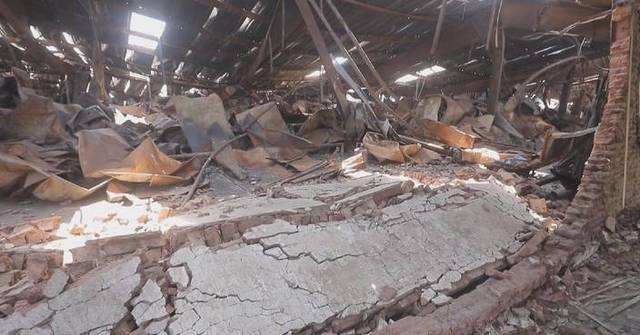
More than two and a half years of conflict between the Sudanese army and the paramilitary Rapid Support Forces (RSF) has taken a heavy toll on the country’s economy, environment and public health.
Across the country, damaged factories, leaking chemicals, and collapsing public services are threatening the health of millions.
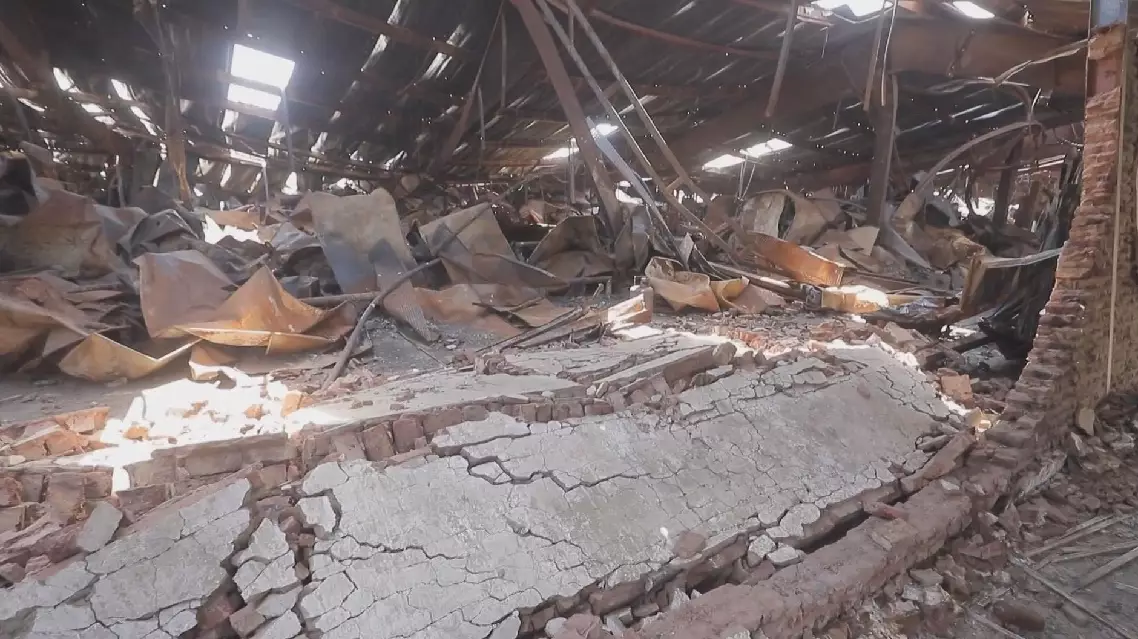
“Our factory was hit, and we lost control of the stored materials. RSF burned large parts of it, and we were worried about leaks, but there was no access for repairs and no authorities to manage the site safely,” said Mamoun Geely, a factory owner in the Omdurman Industrial Area.
In Khartoum, critical industrial and energy infrastructure lies in ruins. Some sites still contain hazardous chemicals and their proximity to homes means pollution is seeping directly into communities already facing deep hardship.
“The capital was occupied by the RSF militia for two years. Health facilities were occupied as well and became a breeding environment for diseases. This prevented any efforts to defeat the pandemics, as the state was a war zone. Medical staff were targeted and killed, and ambulances were looted,” said Taha Bedawi, an environmental expert.
Buildings destroyed by explosive weapons have released materials like asbestos, a dangerous source of chronic respiratory illness. With no capacity to clear the rubble, families remain exposed to toxic dust.
Water and sanitation plants have been destroyed, leaving waste systems non-functional. Solid waste now accumulates in open areas, draining into the Nile and increasing the risk of major disease outbreaks.
For families living near industrial zones, pollution has become a part of their daily life. Contaminated water is fueling diseases like malaria, cholera, and typhoid.
“I got sick a few days after returning home. I have dengue fever and typhoid. Most of my family members are sick. The pollution is everywhere,” said Insaf Mohamed, a patient.
Health professionals are calling for urgent intervention as Sudan faces environmental damage that may take years even decades to repair.
Sudan conflict takes heavy toll on industries, environment, public health
The purchasing managers’ index (PMI) for China’s non-manufacturing sector came in at 49.5 in November, down 0.6 percentage points from the previous month, official data showed Sunday.
A reading above 50 indicates expansion, while a reading below 50 reflects contraction.
The service sector, influenced by the fading effect of the holiday season, saw its business activity index fall to 49.5, a decrease of 0.7 percentage points from October, according to the National Bureau of Statistics (NBS).
Railway transportation, telecommunications and broadcasting, and monetary and financial services maintained strong growth, with their activity indices staying above 55.
The business expectation index for the service sector, although dipping slightly by 0.2 percentage points, stayed at a relatively high level of 55.9, indicating sustained optimism among service firms about future market prospects, according to the NBS.
“In terms of market expectations, the services business activity expectation index remains in the high expansion range, indicating that most service enterprises maintain optimism about future market prospects,” said Huo Lihui, director of the business climate survey division under the service survey center of the NBS.
In a positive shift, construction activity showed signs of recovery. The business activity index for the construction sector rose to 49.6 in November, up by 0.5 percentage points from the previous month.
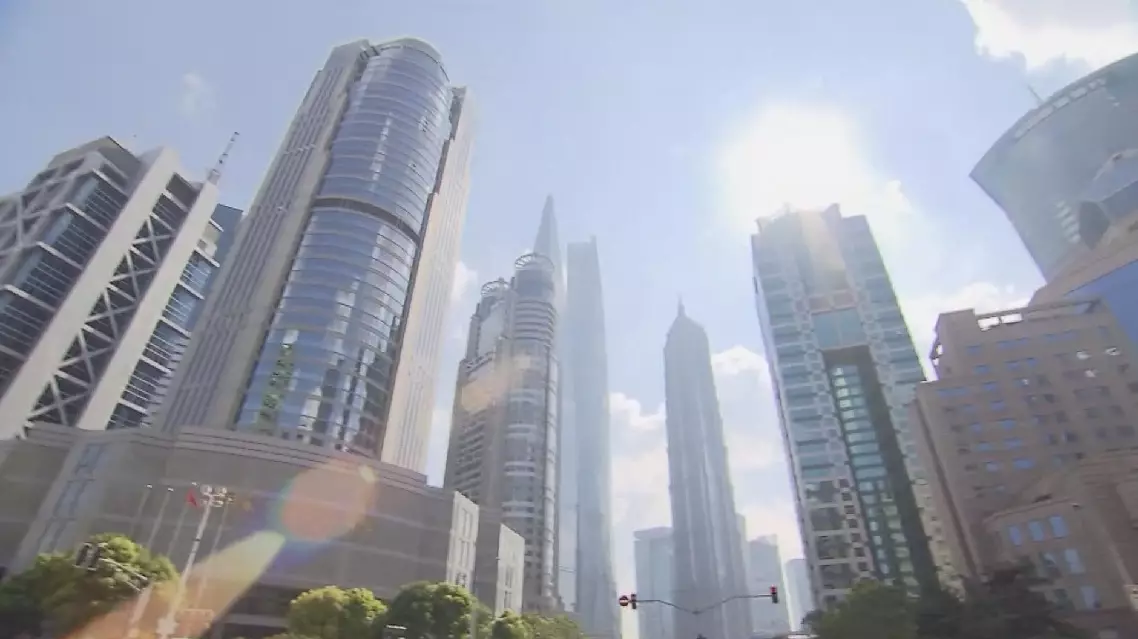
China’s non-manufacturing PMI stands at 49.5 in November