
DaVinci Resolve 20.3 brings a major jump to post-production. Blackmagic now allows editors to import, edit and export massive 32K video files on Apple M5 devices, unlocking the full power of the URSA Cine 17K 65 and enabling true large format workflows.
 DaVinci Resolve 20.3
The URSA Cine 17K 65 has already challenged the limits of digital cinematography. Earlier this year we explored its capabilities in Blackmagic URSA Cine 17K 65 review, where the camera’s enormous sensor and real world performance demonstrated just how far the format can stretch. Blackmagic describes the new update simply and clearly. This means filmmakers can now move beyond proxy workflows and handle the camera’s native resolution directly inside Resolve.
 DaVinci Resolve 20.3
DaVinci Resolve 20.3 adds support for importing, editing and exporting video files at up to 32K resolution on Apple M5 Macs.
The URSA Cine 17K 65 also became part of Netflix’s approved camera list. We covered that milestone in Blackmagic URSA Cine 17K 65 joins Netflix approved camera list. The arrival of 32K timeline support now brings complete alignment between hardware and software for large scale productions. Blackmagic emphasizes who this feature is built for. This positions the update directly in the center of the studio, VFX and immersive markets.
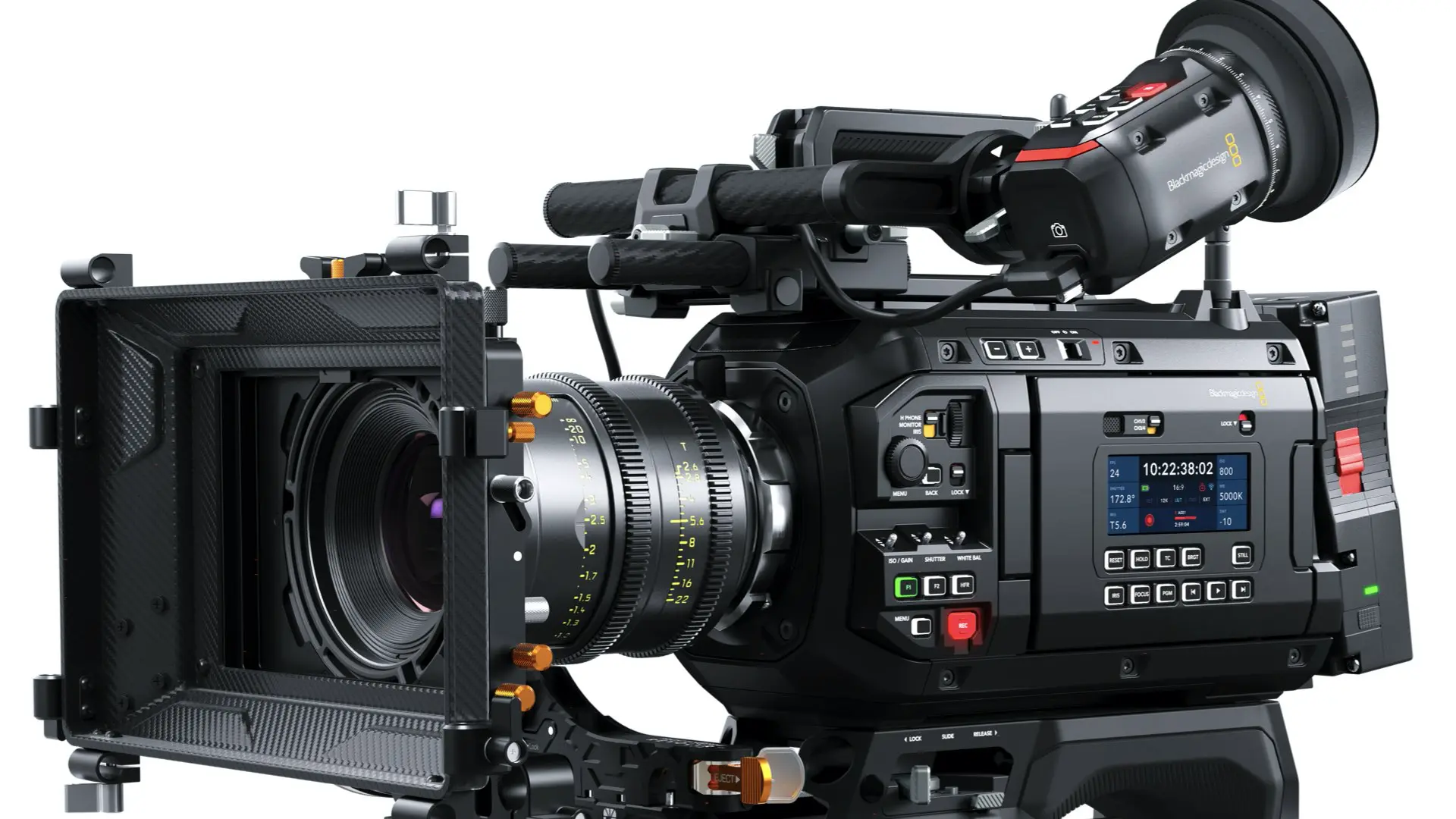 Blackmagic URSA Cine 17K 65 camera
This allows you to work with video from the Blackmagic URSA Cine 17K 65 camera, creating content for large format displays, high resolution VR or immersive projects and those with extensive visual effects.
Blackmagic’s direction has been clear to anyone tracking their engineering moves. In Blackmagic’s big league leap. How sensor patents reveal a master plan we explained how sensor design patents pointed toward a long term strategy centered on extreme resolution and computational imaging. Resolve 20.3 reflects that same thinking. It is not only about raising resolution limits but about preparing for future systems where even more data will be involved.
 The new Blackmagic 65mm sensor vs FF sensor
Editors will welcome the practical improvements in this update. Resolve now allows custom named timeline backups, which keeps the media pool organized and makes earlier revisions easier to locate. Blackmagic highlights one of the most useful refinements. This is especially valuable for long form projects. Resolve 20.3 also brings quick gap insertion at the playhead, a more useful subtitle menu with faster cut, copy, paste and delete options and smoother clip color adjustments.
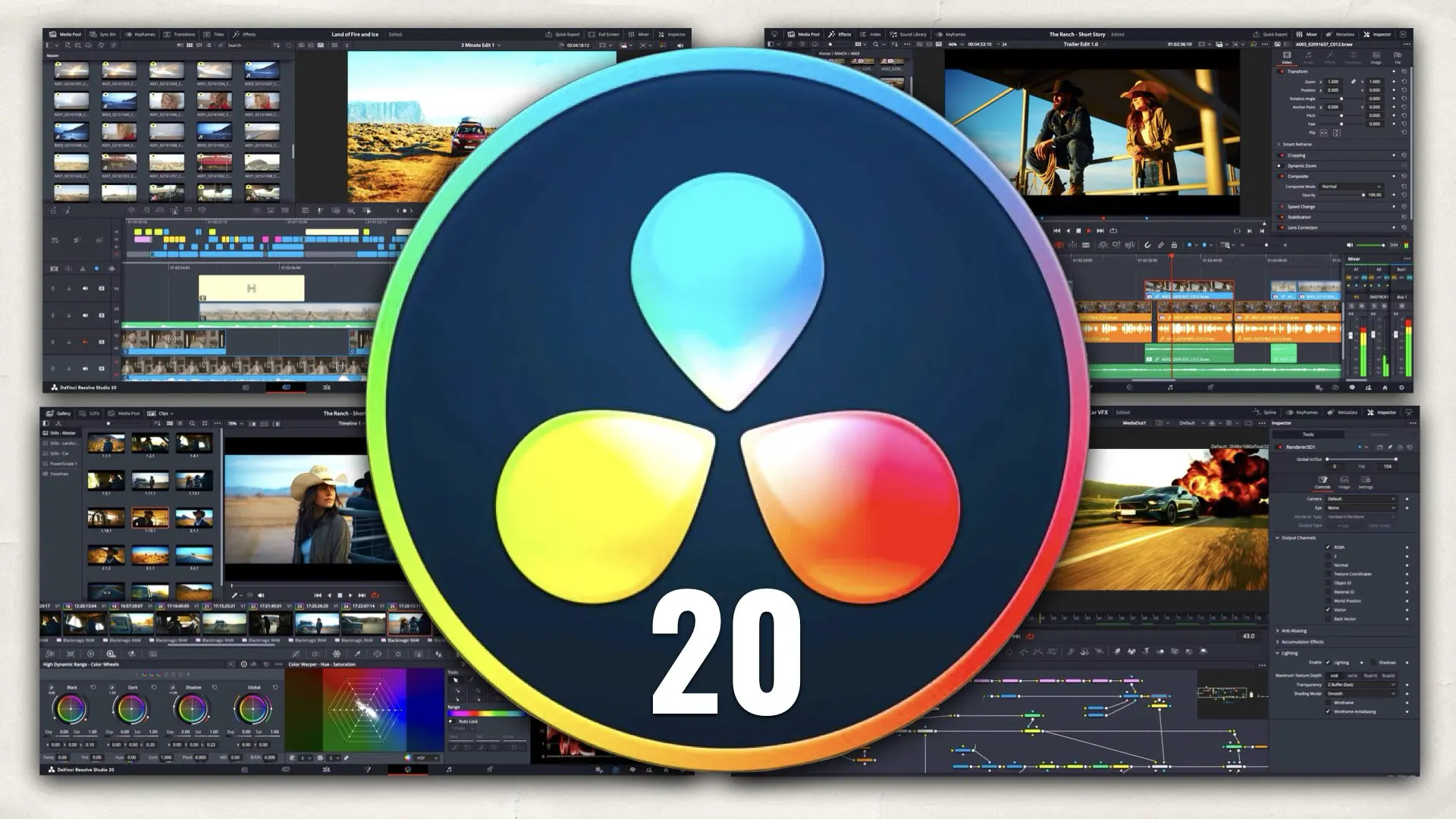 Blackmagic Announces the Final Release of DaVinci Resolve 20
You can now keep a single timeline in your media pool while still generating clearly labelled backup versions.
Match frame behavior is now more precise, even for clips with negative speeds. Resolve also remembers your source timeline selection, which helps maintain editorial context when navigating large sequences. For projects built on towering 17K or 32K footage, precision like this reduces friction in creative decision making. Resolve 20.3 also expands metadata management, allowing editors to add metadata fields as bin columns, import custom metadata structures and work with ALE files for improved compatibility with Avid workflows. Blackmagic notes that this update is designed to help teams organizing large media libraries. As seen in Blackmagic releases URSA Cine 17K 65 footage. A technical look at medium format cinematography, the amount of information generated by the camera is enormous. These metadata upgrades bring order to that scale.
 Blackmagic DaVinci Resolve 20 Training Books
You can now add metadata fields as media pool bin columns, import and export custom metadata fields, import ALE media files and more.
DaVinci Resolve on iPad now supports background rendering on iPad OS 26. This makes the iPad version far more usable for travel editing and lightweight workflows.
You can start a render and then switch to another app so you can continue working on other tasks while your export continues in the background.
DaVinci Resolve 20.3 is a long awaited software counterpart to Blackmagic’s most advanced camera. With full 32K workflow support, expanded metadata tools and smarter editing features, the URSA Cine 17K 65 now operates inside a complete ecosystem from capture to delivery. Large format cinema, immersive environments and multi resolution VFX pipelines now have a practical path forward inside one platform. It is a strong signal of where Blackmagic is heading and a solid step for high-resolution filmmaking.