
Andrew Kelly
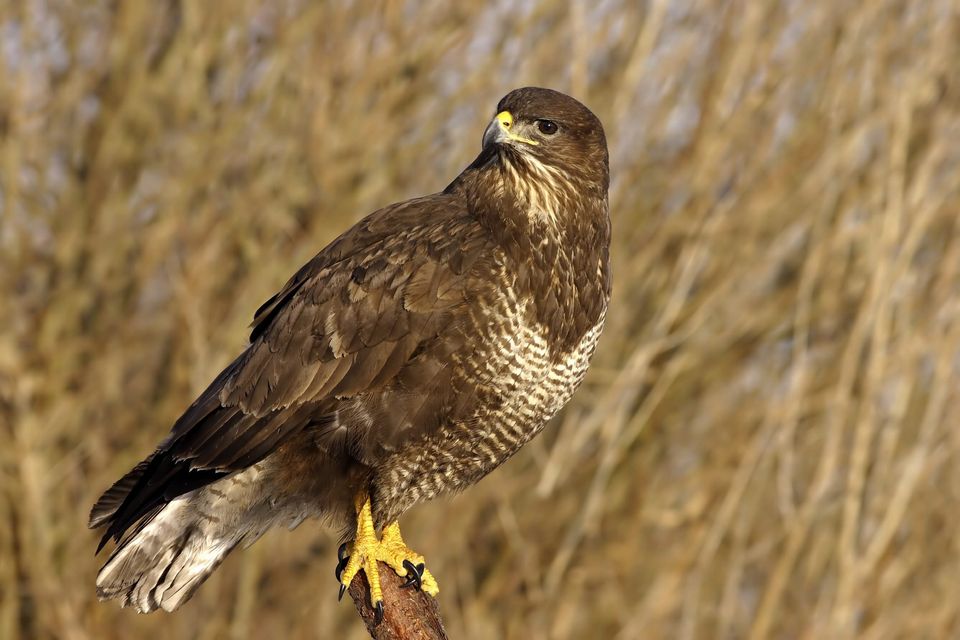
Over 100 years ago Buzzards went extinct in Ireland.

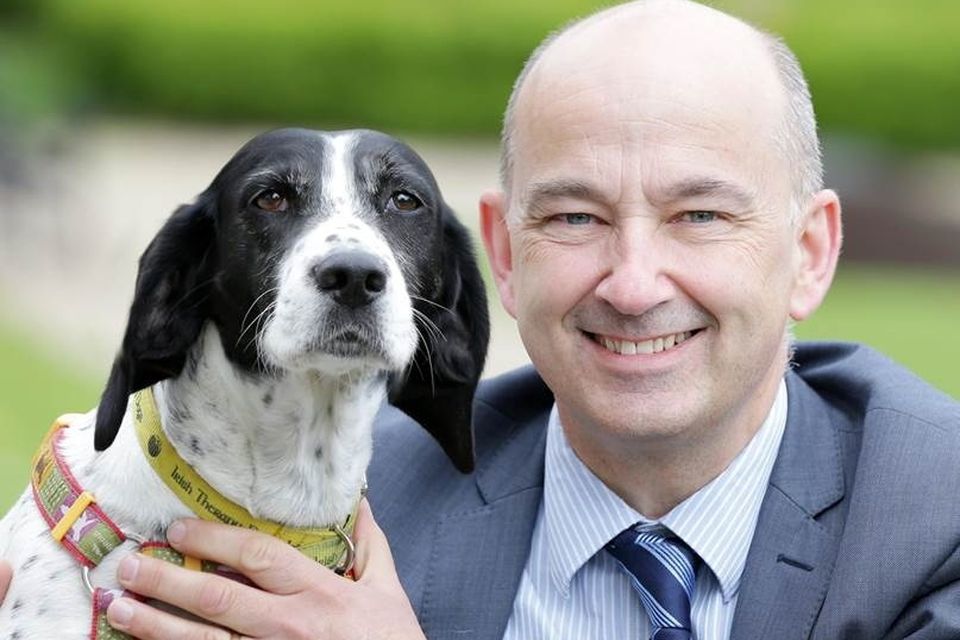
Suggestions that the buzzard is responsible for the dramatic decline in native bird species in Co Wexford have been dismissed by the CEO of Birdwatch Ireland. Responding to an article in The Wexford People dated November 11, Dr Andrew Kelly said that instead of blaming buzzards for 63pc of wild bird species being classified as at risk of extinction we may need to look a bit closer to home.
“The article paints a very misleading picture of a species that plays a vital role in improving the health of our environment and natural habitats, while also shifting the blame from the species that is actually responsible for ecological destruction and wild bird population declines: our own,” said Dr Kelly. “We should not allow the fact that a large, day-flying bird of prey is now more regularly seen by casual observers be misconstrued as proof that this is somehow the cause of declines amongst other bird species.
“Those declines are squarely due to rampant habitat destruction, intensive agriculture, climate change, pollution, poor water quality, disturbance and other factors that are entirely the fault of us human beings, not buzzards.
In the article in question, Councillor Jim Codd bemoaned the lack of curlews, songbirds, and waders in the south of the county saying “whole swathes of land” have become “an ecological desert with nothing living in them except buzzards hovering overhead”.
And while Dr Kelly shared the councillor’s concerns regarding the drop in wild birds in Wexford, he was quick to absolve the buzzard from any blame.
“We would vehemently disagree with any suggestion or implication that buzzards are in any way responsible for such declines,” he said. “Once common across Ireland, these birds of prey were mercilessly persecuted by people, until the species was exterminated by the late 19th century. In recent decades, the buzzard has staged a remarkable comeback, due in large part to more enlightened views of apex predators and the vital roles that they play in maintaining healthy ecosystems, coupled with the understanding that they pose no threat to livestock.”
Furthermore, the Birdwatch CEO argues that the buzzard plays a vital role in maintaining the natural ecosystem of the county’s countryside.
“By helping to control rodent, crow and rabbit populations, limiting the spread of disease by feeding on dead animals and reducing scavenging opportunities for rats and foxes, buzzards play a crucial role in maintaining environmental health. Buzzards enjoy an unusually wide diet. Their increased visibility in recent years is not because they have caused declines of other flora and fauna, but because their lack of prey specialisation allows them to cope better than many other species with the environmental destruction that we humans have wrought on their environment.”
Funded by the Local Democracy Reporting Scheme.