
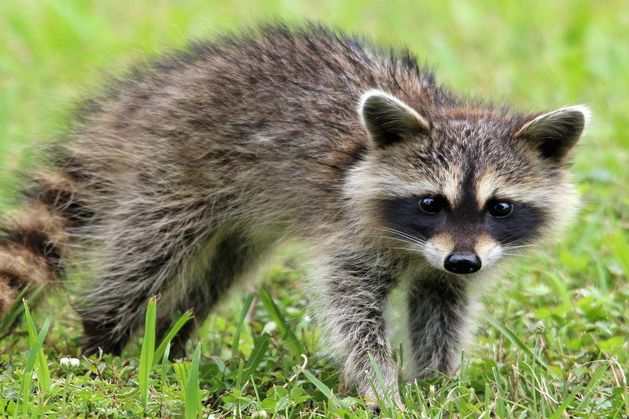
The Cherokee County man reportedly found a raccoon making noises in the road and became concerned it was hurt or ill, police told 11 Alive.
The man – who refused to give his real name – did not have a safe or secure way to transport the animal, so decided to wrap it up in his coat and load it into his car.
He held it against his chest for more than an hour as he drove to the nearby Chattahoochee Nature Centre, which says on its website that it does not accept raccoons.
At some point during the drive the raccoon managed to free its head from the coat and began biting the man on his face and hands, according to the nature centre.
He then drove to his house, secured the raccoon in a blanket, and again drove to the nature centre, arriving approximately an hour before its wildlife clinic opened.
Staff said they met the man in the parking lot and told him to get himself checked out at a hospital.
After what they described as “much forceful insistence”, the man relented and left to tend to his wounds.
The staff took the raccoon to a nearby veterinary hospital, which agreed to test and euthanise it.
After two days, the hospital confirmed the raccoon was positive for rabies.
The officials at the hospital and the clinic knew the man who brought the raccoon in had been bitten by the animal, and thus was at risk of developing rabies.
Unfortunately, for unknown reasons the man had refused to give his name or any identifying information to the officials at the nature centre, which made contact tracing difficult. He had also apparently given a false telephone number.
Untreated rabies in humans is almost always fatal, and the resulting symptoms from the illness can include hydrophobia, paralysis, seizures, confusion, hypersalivation and agitation. Typically humans with rabies die from cardiac or respiratory failure within a week of the first signs of the disease.
A day after the hospital discovered the rabies, a family member of the man who brought the animal in called the centre and provided his contact information to the staff.
The clinic workers said people should call licensed wildlife rescuers if they see an animal in distress.
Raccoons can pass on diseases to humans including rabies, raccoon roundworm and leptospirosis, all of which can cause extremely serious illnesses and can prove fatal. (© The Independent)