
Wes Streeting has ordered an independent review of the diagnosis of mental health conditions as Labour seeks a fresh crackdown on welfare spending.
The health secretary is concerned about the sharp rise in diagnoses of mental illness, autism and attention deficit hyperactivity disorder (ADHD), which have become the most common reason for a sickness benefit claim.
Some 4.4 million working-age people claim disability or incapacity benefit, a rise of 1.2 million since 2019. Record numbers of young people are dropping out of the workforce and Streeting has warned previously that “overdiagnosis” mean too many people are “written off”.
The review, to be launched on Thursday, will ask whether normal feelings and stresses are being “overpathologised” and a panel of experts will examine how social media, smartphones and the cost of living have contributed to a rise in mental distress that has led to long waiting lists for NHS services.
Nearly one in four adults has a common mental health condition such as depression or anxiety, the NHS says. Some 8.9 million people in England are on antidepressants, up from 6.9 million a decade ago. Streeting has said this is “cause for concern”.
• Matthew Parris: It’s time to derail the benefits gravy train
The number of 16 to 34-year-olds off work with long-term sickness because they have a mental health condition rose by 76 per cent between 2019 and 2024.

Rachel Reeves, Sir Keir Starmer and Wes Streeting want to end the “cycle of worklessness”
ADRIAN DENNIS/WPA POOL/GETTY IMAGES
Sir Keir Starmer was forced to abandon previous plans to overhaul disability benefits — including those for people with mental health conditions — after a backbench revolt. That cost the government more than £5 billion and was one of the reasons why Rachel Reeves, the chancellor, was forced to raise taxes in her budget.
This week the prime minister this week committed himself to further welfare reforms to end the “cycle of worklessness” and to stop young people being “written off” to a life on benefit. He is considering restricting health benefits for those aged under 22. There is scepticism as to whether he will be able to, given the strength of feeling on the backbenches.
Streeting said: “I know from personal experience how devastating it can be for people who face poor mental health, have ADHD or autism and can’t get a diagnosis or the right support. I also know, from speaking to clinicians, how the diagnosis of these conditions is sharply rising.
“We must look at this through a strictly clinical lens to get an evidence-based understanding of what we know, what we don’t know, and what these patterns tell us about our mental health system, autism and ADHD services.
• Train GPs to treat ADHD to keep youngsters in work, says taskforce
“That’s the only way we can ensure everyone gets timely access to accurate diagnosis and effective support.”
The review will make recommendations on overhauling the NHS mental health system, aiming to ensure people get help before they reach crisis point and while they can still work.
Patients have to wait several years to be assessed for autism or ADHD.
Professor Peter Fonagy, a clinical psychologist at University College London specialising in child mental health, is leading the review. The vice chair is Sir Simon Wessely, former president of the Royal College of Psychiatry.
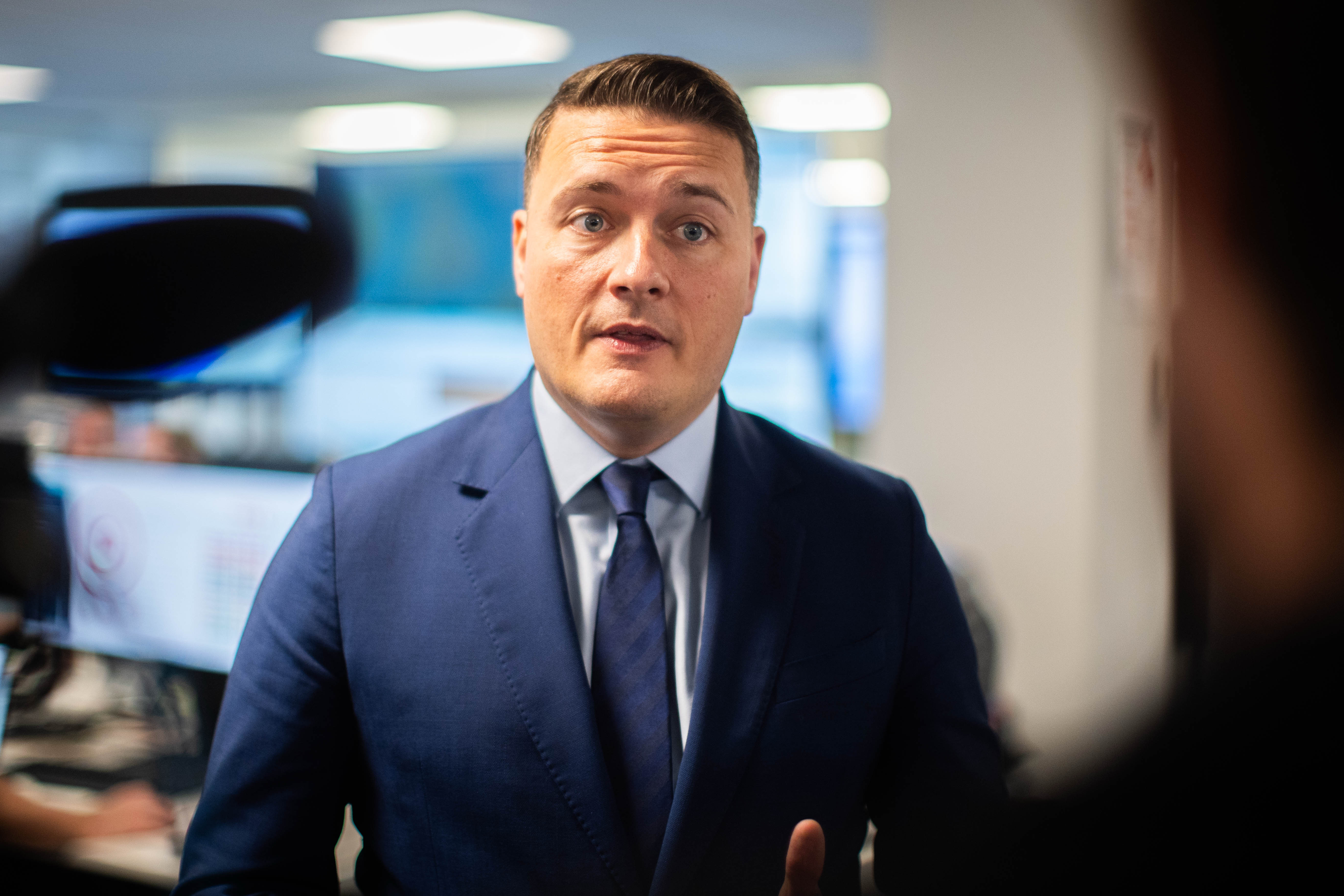
Wes Streeting
JAMES MANNING/PA
More than half a million people are on ADHD waiting lists. Some 800,000 people in England have been diagnosed with ADHD, but the NHS say the condition remains under-diagnosed and it is likely to affect 2.5 million in total.
NHS data shows a steady rise since the 1990s in adults and children with mental health problems. In 2024, 22.6 per cent of the adult population had a common mental health condition, up from 18.9 per cent in 2014 and 15.5 per cent in 1994.
Fonagy said: “We will examine the evidence with care — from research, from people with lived experience, and from clinicians working at the frontline of mental health, autism and ADHD services — to understand, in a grounded way, what is driving rising demand.
“We owe it to children and families, young people and adults to provide government with advice that is proportionate, evidence-based and capable of improving people’s lives.”
Andy Bell, chief executive of the Centre for Mental Health, said there had been a “clearly rising trend in mental health needs for both adults and children in recent years”.
He said there was no single cause, but social media, the cost of living and school pressures had contributed and to suggest overdiagnosis was a “toxic narrative”. He said: “I have seen no evidence whatsoever that either mental health problems or neurodiversity are being overdiagnosed. The likelihood is this is a real increase in mental distress.”
Mark Rowland, chief executive of the Mental Health Foundation, said: “This is a key moment to understand how the social, economic and technological changes of the last decade have affected people’s mental health and how we best respond. Too often people, especially young people, have had to reach crisis before they get support.”
Dr Sarah Hughes, chief executive of Mind, said: “This is a huge opportunity to really understand what is driving increasing levels of mental illness, especially among our young people. More people need help than services can see, people’s mental health deteriorates while they wait, and when people do get access to support it is not always appropriate to their needs.”