
The Central Statistics Office says gross domestic product (GDP) fell slightly, by 0.3pc, in Quarter 3. It followed very modest growth in the previous three months, of 0.3pc.
In contrast, the first three months of the year had seen a spike in growth, with GDP up 7.4pc.
Even after that slowdown, and amid the impact of US tariffs, the latest data shows total exports increased by 2.1pc (or €4.4bn) in Q3.
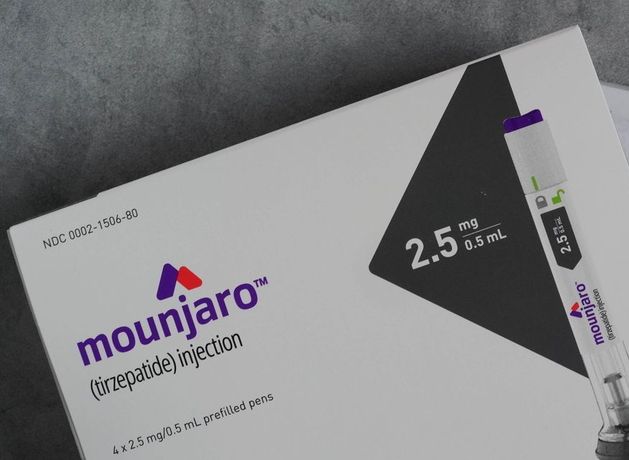
Exports throughout the earlier part of the year had been lifted in particular by the contribution of drug giant Eli Lilly, which manufactures ingredients for its weight loss drug Mounjaro and its diabetes drug Zepbound in Kinsale, Co Cork. The latest data may be a sign dramatic growth in the value of products shipped by Eli Lilly, including to the US, has started to moderate at elevated levels, although it is early to draw firm conclusions.
The latest numbers show imports rose much faster than exports in Q3, they are up €14.7bn versus the previous three months.
Measuring Ireland’s economy in any meaningful way is fraught. GDP is the standard measure used to compare economies but in the case of Ireland is volatile because of the outsized impact of multinationals.
The latest CSO data shows modified domestic demand (MMD), which is a broad measure of underlying domestic activity covering personal, government, and investment spending, grew by 2.3pc.
The latest data shows personal spending on goods and services, a good guide to how well off people feel and how they are behaving, grew by 0.1pc in the three months to the end of September – that’s effectively flat even at a time when the costs of goods and services themselves was higher – CSO data for the same period showed annualised inflation running at around 2.7pc.
Looked at compared to a year earlier the picture is more positive – modified final domestic demand grew by 5.1pc.
One factor potentially weighing on spending was a drop in the overall level of pay in the economy. Compensation of Employees (CoE), which includes wages as well such as bonuses and allowances, decreased in real terms by 0.1pc in Q3 2025 compared with Q2 2025.
The loss of spending power happened even though unemployment remains very low by historic standards, did tick up modestly in the summer.