
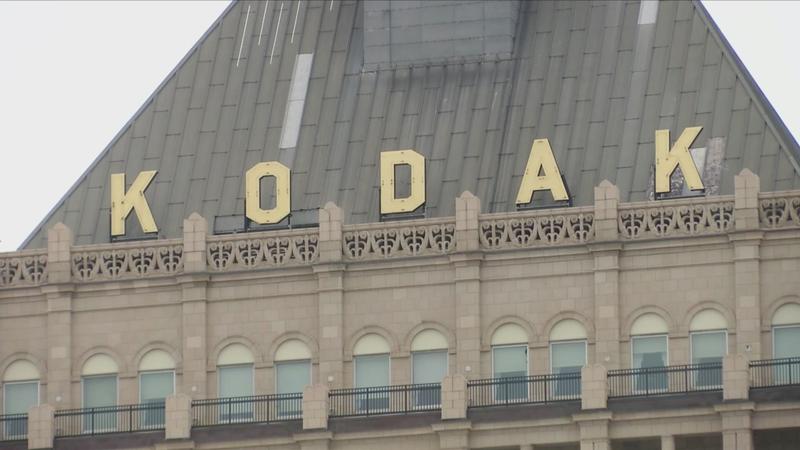
ROCHESTER, N.Y. — Kodak has completed the reversion of its pension program, saying it has freed over $1 billion in excess pension assets to help pay off its debts and strengthen its balance sheets.
The company also says it’s creating a new benefit plan for current employees. As News10NBC has covered, Kodak planned to eliminate its pension program to help with paying off a $500 million loan before it’s due. That decision impacts future retirees, but won’t impact current retirees getting a pension from Kodak, as the CEO of Brighton Securities explained.
Kodak said it has used about $312 million of its excess assets to pre-pay its term loans. That reduces the loan’s balance to $200 million. Kodak also says it has fully settled “all pension obligations” to participants in the pension program.
Kodak is funding its new benefit plan, called the Kodak Cash Balance Plan, with $251 million of investment assets and $5 million of cash. It’s for all U.S.-based employees.
What does “pension reversion” mean exactly?
According to AARP, pension reversion is when a company ends a pension plan to recover the amount by which the plan is overfunded, then replaces it with another retirement plan.
Employers must pay a 20% tax on reversions once the employer replaces the pension with a different retirement plan. That new plan must also meet certain standards to protect its promised benefits.
How is Kodak doing financially?
According to Kodak’s website, the company is now in a “net-positive cash position”, with a cash balance of over $300 million after accounting for the excise tax due on the reverted assets.
In August, Kodak told News10NBC that it had “no plans to cease operations, go out of business, or file for bankruptcy protection” even as the deadline to pay the loan approached.
For Related Stories: pension plan kodak