
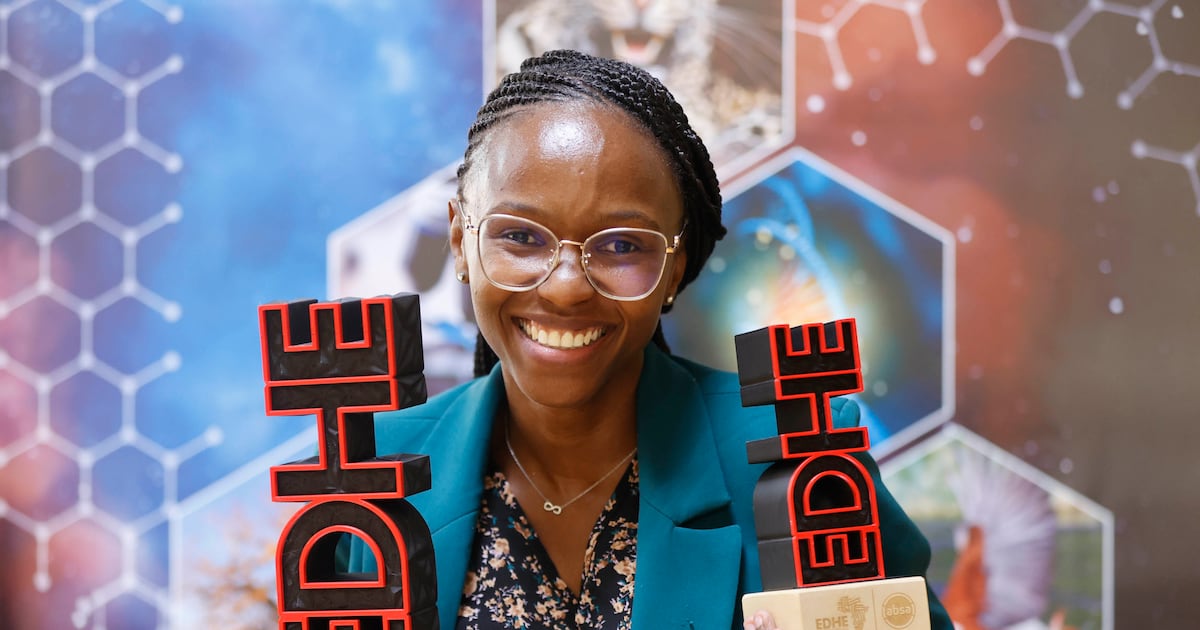
When Tshwane University of Technology (TUT) PhD candidate Mpho Kotlolo struggled to insert a capsule prescribed for her haemorrhoids, she found herself thinking about the thousands of children who face an even tougher battle of trying to take bitter, oversized HIV/Aids medication every day.
That moment of discomfort became the spark that changed the course of her research and would eventually see her take top honours at the TUT Female Student Innovation Awards, recognising a new approach rooted in compassion, chemistry and child-friendly design.
It was at these awards where young women scientists showcased solutions tackling some of SA’s most urgent health challenges.
“There was a time I had piles, and because I’m a chemist, I was ignorant about what was happening in my own body,” she said.
“When I went to the pharmacy, they gave me suppositories, bullet-shaped medication, while I was expecting tablets to swallow. They told me I had to insert it rectally. That moment shook my mind. Why that dosage form? Why not a tablet?”
Motivated by her own experience of battling to insert suppositories and the daily struggles faced by children on antiretroviral therapy, Kotlolo developed a flavoured, palatable, easy-to-swallow ARV pill designed specifically for children living with HIV and Aids.
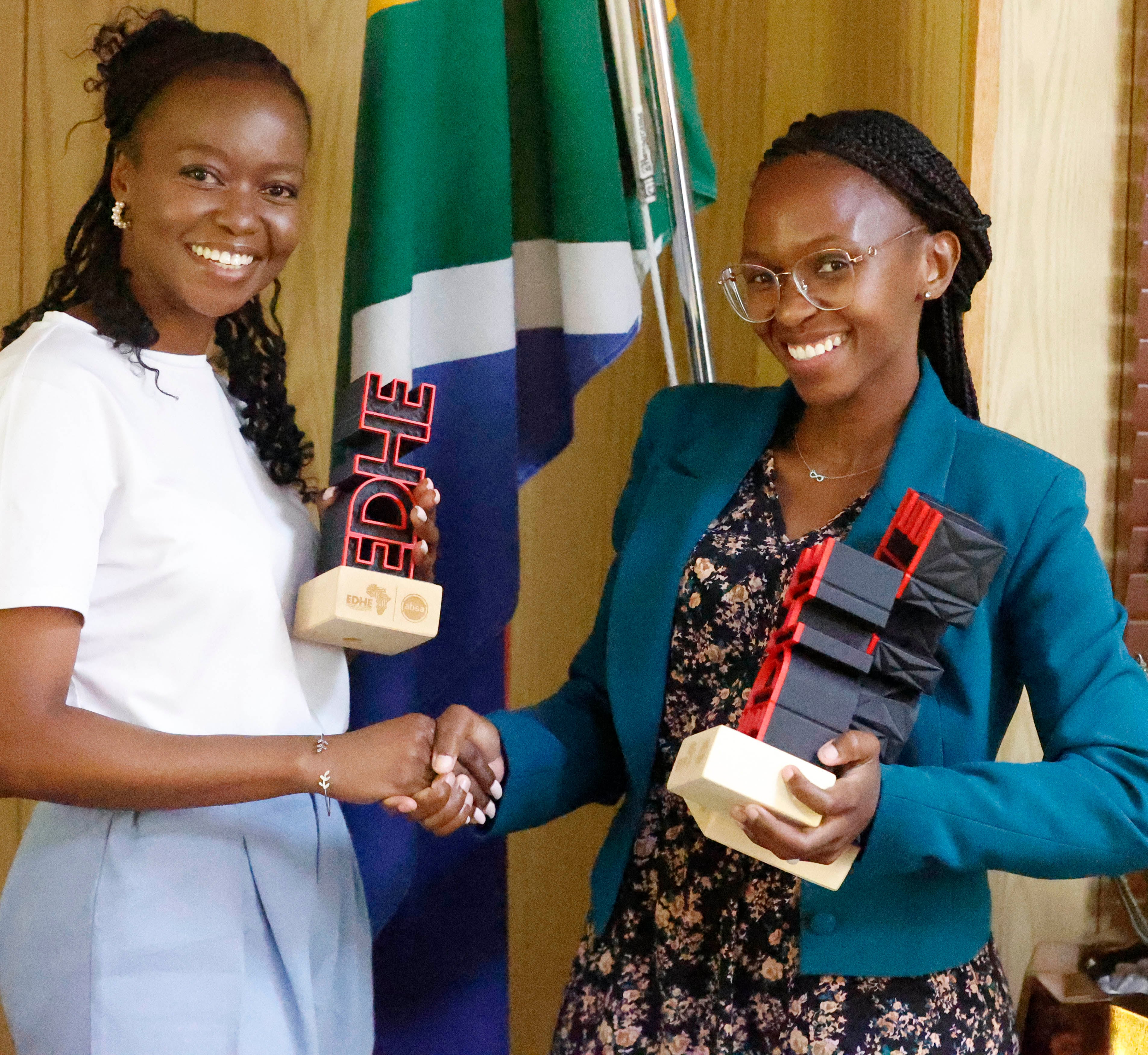 omdumiso Nkosi came in 2nd place
with her innovation of HepaSure
Diagnostics, a pioneering rapid testing
device that detects Hepatitis B.
(ANTONIO MUCHAVE)
“Caregivers fight with children every day over medication,” she said. “They cry, they spit it out, they resist. My goal is to make medication something they don’t fear.”
She said pharmaceutics is the solution.
“We are prioritising the medical needs of children. And to those working in pharmaceutical industries, we must work together, have courage, and be patient when manufacturing products for children. If you want to go far, go together. Collaboration is how we save lives.”
The children’s ARV project was conceived by Kotlolo and scientists at TUT and the University of Eastern Finland in collaboration with pharmaceutical company Kiara Health.
The R500,000 prize money will now be used to unlock the distribution pathway for the product and ensure completion of all critical manufacturing activities, including quality testing, stability studies and clinical validation.
Looking ahead, Kotlolo has a clear and ambitious vision.
“I hope to see myself, with the assistance of my team and financial support from other bodies, operating the manufacturing plant of HIV orodispersible tablets for children and distributing the medicine to the market for consumption.
“This initiative could significantly improve access to essential medication for vulnerable populations, ensuring that children receive the treatment they need in a form that is easy to consume. By collaborating with healthcare providers and community organisations, we can enhance awareness and reach those who need it most. At present, 44% of children in Sub-Saharan Africa are not receiving ARTs.”
Kotlolo was not the only woman recognised for life-changing science.
Taking second place was Nondumiso Nkosi from Sefako Makgatho Health Sciences University, who received R250,000 for HepaSure Diagnostics, a pioneering rapid testing device that detects Hepatitis B earlier and more accurately in areas where the virus is endemic. HepaSure is palm-sized, affordable, and easy to use in clinics without access to sophisticated laboratory equipment.
“Hepatitis B is a neglected disease, yet it is the second leading infectious cause of death globally, surpassing HIV and malaria,” Nkosi said. “People in rural and resource-limited areas deserve access to early diagnosis, and that’s what HepaSure offers.”
Hepatitis B is a neglected disease, yet it is the second leading infectious cause of death globally, surpassing HIV and malaria
— Nondumiso Nkosi
The device provides results within 30 minutes and could help integrate Hepatitis B screening into routine care, something Nkosi believes is long overdue.
“We screen for HIV and TB, but Hepatitis B is not routinely tested in clinics,” she added. “That’s the gap we want to fill. Early diagnosis means timely treatment, fewer complications and fewer deaths from liver cancer.”
Her innovation could strengthen disease surveillance, improve treatment timelines and reduce long-term liver disease, all while contributing to Africa’s growing capacity for homegrown health technologies.
Sowetan