
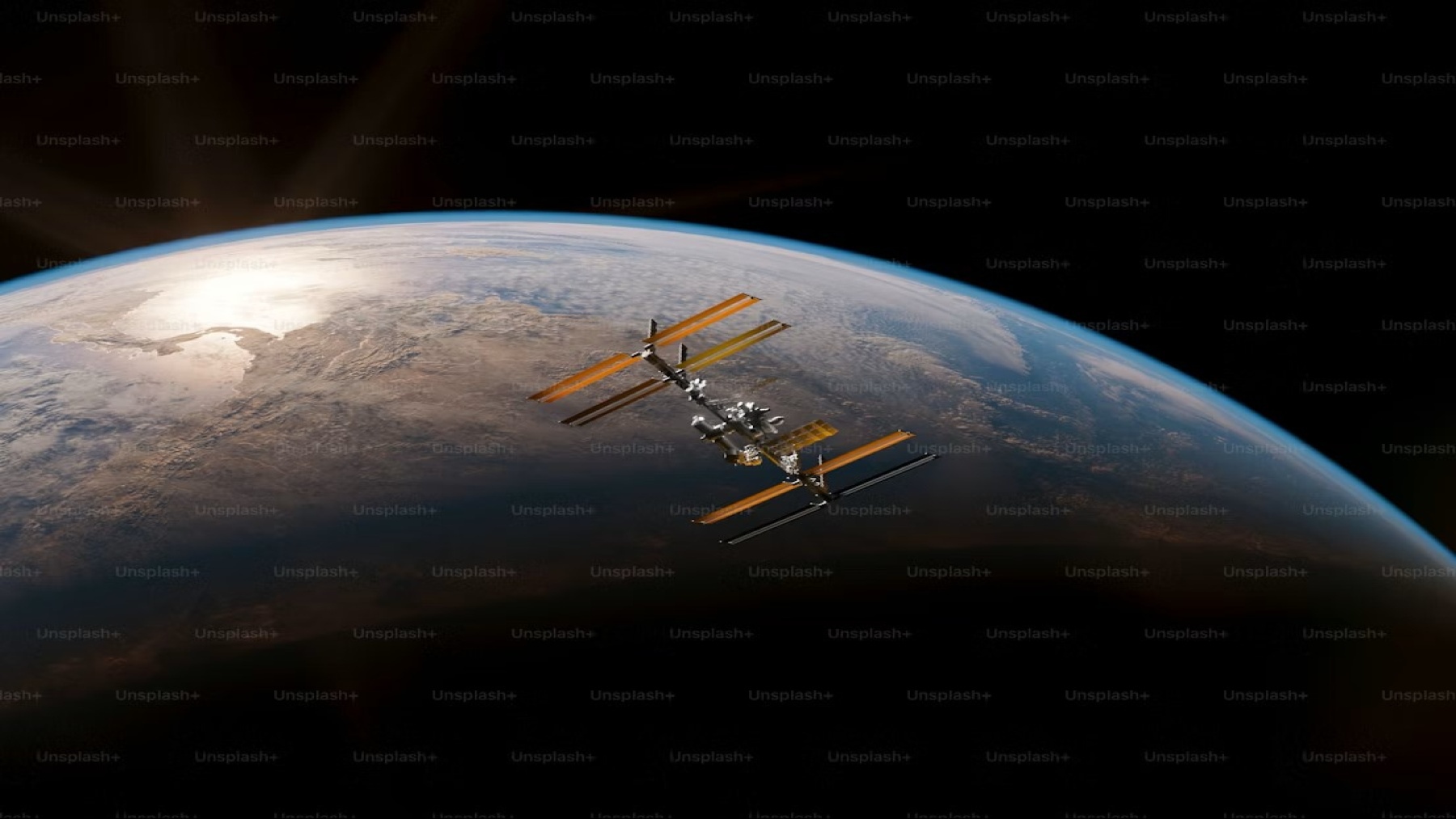
Among all the holidays astronauts celebrate up in space, Thanksgiving has become one of the most upheld traditions. Fifty-two years ago, a simple, unplanned meal had evolved into a tradition that is now celebrated by all astronauts from different nationalities aboard the International Space Station (ISS). The psychological need to ensure that traditions from home are upheld wherever an individual is, is truly admirable, especially in an environment where it is not easy to eat food in its original state as on earth.
The challenges of eating in space and what is used as a substitute
Astronauts do not eat the same as an individual does on Earth, nor do they experience the normal path of digestion as they would on Earth. Their food is made and stored in a specific way, as a process called Microgravity happens in space, which does not allow the normal digestive process to take place. Microgravity causes a “cephalad fluid shift”, which means all the fluid is pushed to a person’s head in space.
The possible symptoms of this are a muted sense of smell, food tasting bland, and congested sinus cavities. To combat this, they have come up with a way to serve, store, and maintain a specific type of space menu, inclusive of dishes that are stronger for the taste buds, such as more flavorful and spicier dishes. To think that dishes like the extra spicy ramen are one of the favourite dishes in space just goes to show that astronauts really crave those bold flavours from home, even in zero gravity.
How food has been prepared and stored over the years in space
In the early years of astronauts’ enjoying food in space was unheard of; however, it was tolerable and not as diverse as food is now in space. In the early 1960s, astronauts consumed mostly tube-based and fry cube foods, all to ensure a cleaner environment and lightweight meals that were easy to store and able to transport more of them.
In the 1960s in the Gemini Program food was commonly freeze-dried and vacuum-sealed pouches became standard; water in pouches was added to rehydrate meals. In the space shuttle era, there were more options, packaging was easier to manage, and food was thermostabilized (it was heat-treated). Fresher foods such as nuts and tortillas were introduced. And in this era, even small ovens allowed warming food up.
In the ISS, hundreds of menu options are available from different nations. Food can now be stored in fridges or vacuum packs, in addition now home-reminding foods are an occasional custom. Advanced packaging prevents crumbs and floating debris.
The first Thanksgiving in space, and how it evolved
In the Space Shuttle era from the year 1981-2011, a larger food storage system was put in place, and a different method was introduced on how to store them. In 1985, Atlantis’ STS-61B crew had the pleasure of enjoying their first-ever proper turkey, which was irradiated and a thermostabilized cranberry sauce. On the same mission, tortillas were introduced upon request by astronaut Rodolfo Neri Vela, which easily substituted bread as it was crumb-free. Even in this current era, tortillas are still included in meal packages as well as “turkey wraps”.
NASA’s Skylab missions introduced much more comforting foods from home to improve astronaut morale. One of the most popular additions to the menu was barbecue-style ribs; unlike the earlier squeeze tubes, these were enjoyable for the astronauts and made astronauts feel less homesick. This menu item easily became one of the most liked meals; the astronauts praised the taste of having a “real meal” in space. This change marked an important milestone in NASA’s approach to making meals for space.
Upholding tradition in space brought a wonderful change to the food system in space
Thanksgiving in space really demonstrates the psychological need for comfort in space and the effect traditions can have on an individual. This reveals that no matter where we go, the comforting feeling of a home-like environment will always be with us.