
Image: SpaceX
SpaceX is once again facing a setback in getting its Starship rocket closer to being operational. Meanwhile, Blue Origin is taking slow but steady steps toward having a capable Mark 1 lunar lander. Would NASA be silly not to switch providers for Artemis 3’s lander?
SpaceX faces another Starship development setback
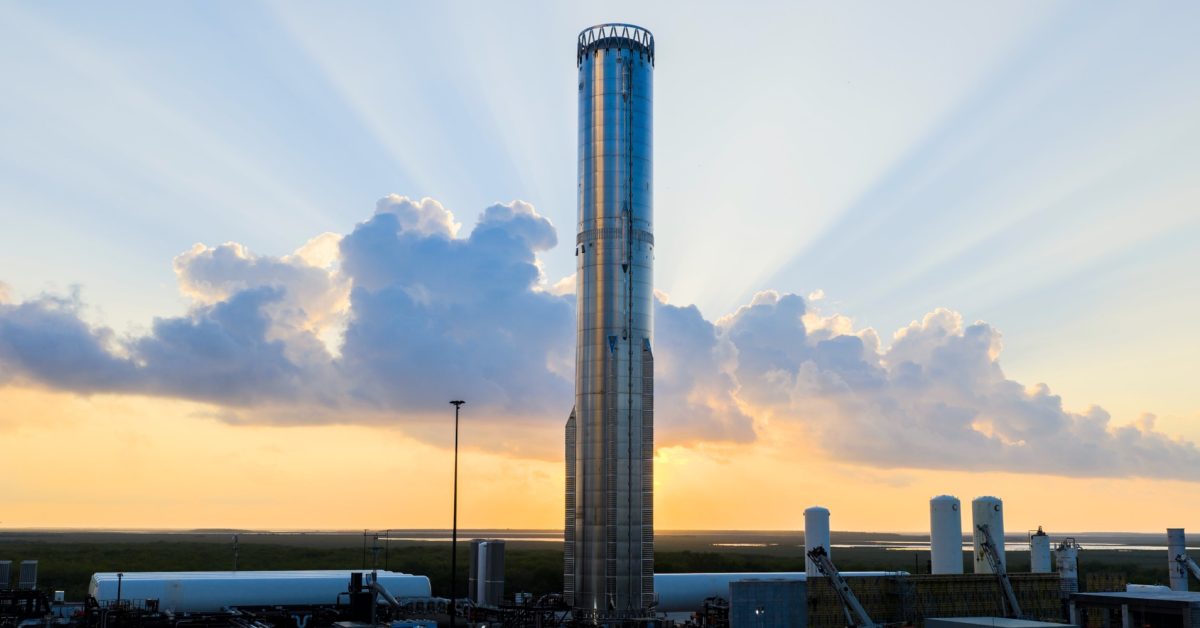
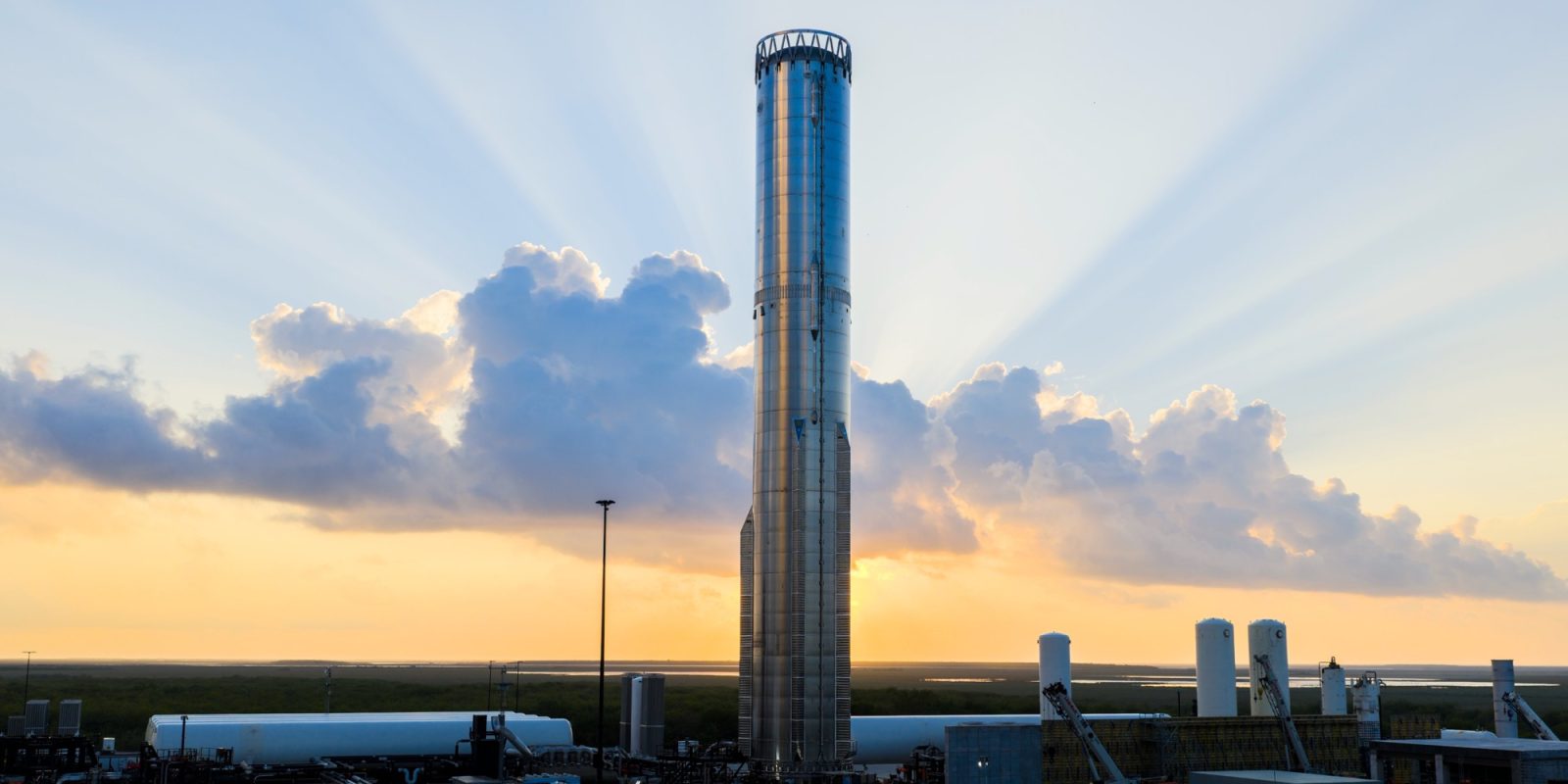
Last month, SpaceX faced another mishap with its Starship program. Its latest Starship booster, Booster 18, encountered an anomaly during an ambient pressure test just days after being fully assembled. Booster 18 was SpaceX’s first Starship V3 booster and was the quickest the company has ever built a booster previously, in about two months.
Similar to Starship V2, Starship V3 is supposed to fix many issues its previous block had, improve performance, and overall evolve Starship closer to an operational rocket. Starship Flight 12 is supposed to be the first flight of a V3 Starship.
The anomaly on Booster 18 ripped a hole along the side of the vehicle, believed to be caused by an exploding COPV, but SpaceX hasn’t confirmed the cause of the anomaly. SpaceX personnel are already working on clearing the test stand it was using and scrapping the booster due to the damage it sustained.
Advertisement – scroll for more content
SpaceX will now have to use Booster 19 for Flight 12, a booster that at the time of the anomaly was barely even started and is currently still being assembled. SpaceX believes it can finish the booster by the end of the year, breaking its own booster assembly record in the process and staying on track for Flight 12’s launch in Q1 2026.
More HLS delays, Blue Origin looks better and better
This is far from SpaceX’s first mishap with Starship on a test stand, and given Starship’s history with block upgrades, more mishaps will likely happen again. This is common during the development of a new rocket, especially in a SpaceX rocket development program.
That is a phrase SpaceX has continued to use over the year as Starship continues to face issues throughout its flight tests. However, something is looming in the background that might just lead to SpaceX losing a prized NASA contract.
While the main purpose of Starship is to fulfill SpaceX’s mission to make humanity multi-planetary by launching missions to Mars, it is also under contract to be one of NASA’s Artemis Human Landing Systems. The contract that is causing concern for NASA and Congress is its deal to land NASA astronauts on the surface of the Moon on Artemis 3, set for launch as soon as mid-2027.
That is one year for SpaceX to show that it has a vehicle capable to fly to the Moon, refuel it, land to the surface successfully, and return its crew to lunar orbit. While there’s no doubt SpaceX can do that, the question is if they can do it without delaying Artemis 3 into 2028 or further.
Congress has been pressuring NASA to make its human landing mission to the Moon its top priority and to ensure that it beats China’s planned landing in 2030. If there is anything we know from NASA’s Artemis program timelines, it’s that they have usually been years behind schedule.
NASA’s acting administrator, Department of Transportation Secretary Sean Duffy, has opened up the contract to other companies that think they can beat SpaceX to get humans to the Moon.
One of those companies is Blue Origin, which is already working on its own HLS lander for as soon as Artemis V. While SpaceX has hit as many as 49 of its HLS milestones and received almost $3 billion in funding already, it still does not have a rocket capable of getting to orbit yet.
Blue Origin has a capable rocket that has already flown twice successfully, even landing one of its boosters on a droneship. The company also is finishing up its first lunar lander, Blue Moon Mark 1. While smaller than what it will use for HLS, with it, Blue Origin could be landing on the Moon for the first time in early 2026.
Below is a comparison between SpaceX and Blue Origin of the needed milestones to qualify for Artemis landings:
MilestoneSpaceXBlue OriginOperational RocketNoYes (New Glenn)Flight HardwareIn DevelopmentIn Development (with smaller lander in final assembly)Orbital RefuelingTested between internal tanks, but not between vehiclesNo TimelineSuccessful Lunar LandingNo TimelineEarly 2026 Attempt
While SpaceX holds an edge ahead with its early tests in orbital refueling, which both Blue Moon Mark 2 and Starship will require, Blue Origin is seemingly ahead in other categories. You could say Blue Origin is leading in what truly matters: getting test hardware to the Moon for landing.
Blue Origin is looking pretty good to potentially leapfrog SpaceX in landing Artemis 3 on the Moon. Both companies have proposed revised plans to NASA for consideration, but that doesn’t change the trust lost by Congress and NASA due to Starship’s regular delays.


FTC: We use income earning auto affiliate links. More.