

When the WHO issued new guidelines on drugs such as Ozempic and Mounjaro this week, it was widely welcomed by doctors and people living with obesity.

WHO director general Tedros Adhanom Ghebreyesus said: “These new medicines are a powerful clinical tool offering hope to millions.

“But let me be clear, medication alone will not solve the obesity crisis.

“Obesity is a complex disease which requires comprehensive lifelong care.”

The funding process

Any potential medication that the HSE funds for reimbursement to patients is first assessed by the National Centre for Pharmacoeconomics (NCPE). 

This process can sometimes pit the State against patient needs, and in the past, it has led to emotional public protests.

In 2022, doctors said children were used “as pawns in negotiations for greater profit” during talks to provide cystic fibrosis drugs to patients who desperately needed them.

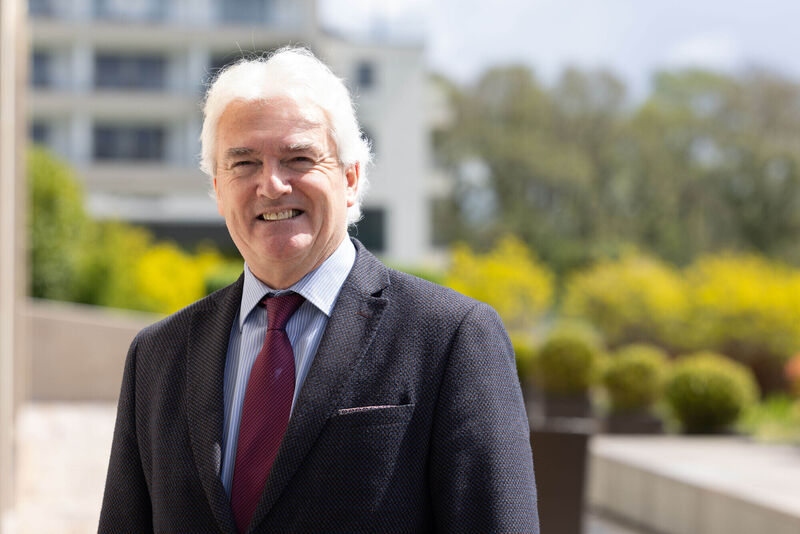
 NCPE clinical director, consultant clinical pharmacologist Michael Barry, said costs for obesity care are 'not too far away' from being value for money. Picture: Shane O'Neill/Coalesce NCPE clinical director, consultant clinical pharmacologist Michael Barry, said costs for obesity care are ‘not too far away’ from being value for money. Picture: Shane O’Neill/Coalesce

It can set pharma companies, seeking profit from discoveries, against the HSE, which must “stretch available resources as far as possible”.

The HSE is “committed to providing access to as many medicines as possible, in as timely a fashion as possible, from the resources available to it,” a HSE spokesman said.

Each decision is based on a myriad of factors.

These include health needs, the impact of supplying one treatment over another, as well as a cost-benefit analysis.

Currently, Irish patients can be reimbursed for Saxenda for obesity and Ozempic for diabetes care, but the makers of other weight loss treatments are seeking to be added to the public system.

Assessments continues for Wegovy while Eli Lilly, the maker of the weight loss drug Mounjaro, has applied for it to be made available for the treatment of diabetes and obesity.

Lilly International executive vice president and president Patrik Jonsson during a visit to the firm's Kinsale plant, where the active ingredient for Mounjaro is produced. File pictureLilly International executive vice president and president Patrik Jonsson during a visit to the firm’s Kinsale plant, where the active ingredient for Mounjaro is produced. File picture
This week, NCPE clinical director Michael Barry said costs for obesity care are “not too far away” from being value for money but there was a gap to be bridged.

In response, Eli Lilly defended its benefits and cost-effectiveness. A spokeswoman said: 

As the reimbursement process progresses, Lilly will work with the HSE to explore solutions that enable patient access in Ireland. 

Mounjaro would be especially beneficial for people with a BMI over 30, experts have said.

However, Prof Barry has estimated this means 900,000 people could use the drug, which would lead to astronomical costs for the State.

The advice is that Mounjaro can only be approved for funding “if cost-effectiveness can be improved relative to existing treatments”.

For now, it remains under consideration, with the HSE senior leadership yet to make a final decision.

“The HSE cannot make any comment on possible outcomes from the ongoing process,” the spokesman added.

The patient’s view

“I’ve had a new lease of life” is how Jeannine Webster, aged 59, described her experiences on Ozempic.

She had been diagnosed with type 2 diabetes after a long period of illness and injuries.

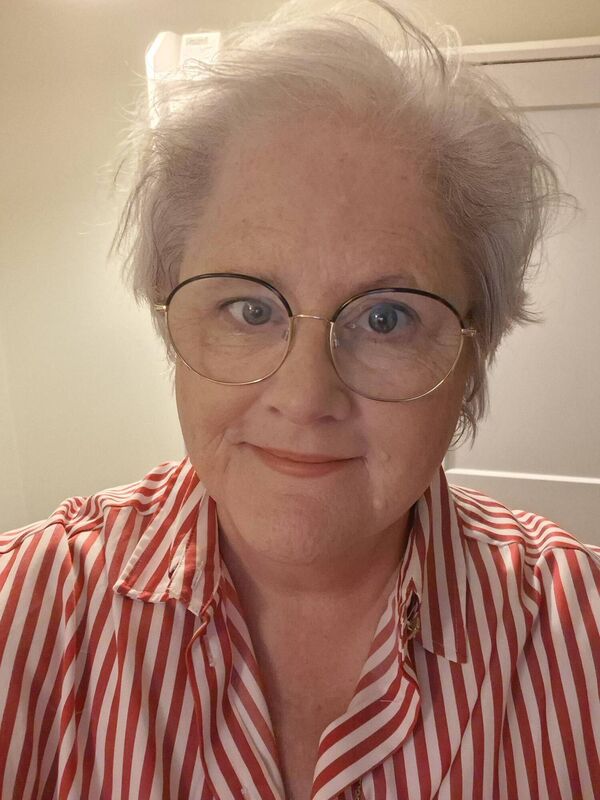
Jeannine Webster, who had been diagnosed with type 2 diabetes, said Ozempic has given her a new lease of life. Jeannine Webster, who had been diagnosed with type 2 diabetes, said Ozempic has given her a new lease of life. 
Studies show obesity increases the risk of getting diabetes by as much as six times.

She previously tried weight-loss medication in a private healthcare setting but said bluntly: “I could not afford it [long-term].”

The medication came to €150 monthly, in addition to treatment costs.

All of these medications are a life-long commitment to maintain the effects.

Now, she is under a “brilliant” GP and taking Ozempic for diabetes and obesity and has more energy for activities that previously were beyond her.

“It just works. You don’t feel as hungry or as snackish as before,” she said.

“People say to me ‘you look well’. I don’t weigh myself but I am much healthier. I can feel it.”

Her readings on a test measuring average blood sugar levels dropped from 48 to 43.

“I’m delighted with it”.

Ms Webster also cautioned against using the phrase “skinny jabs”, which she said can be distressing for people who rely on these therapies for health.

The advocate’s view

Some 56% of people in Ireland are living with obesity, or are overweight, according to the latest Department of Health figures.

Susie Birney, executive director for the Irish Coalition for People Living with Obesity, said different medications work for people.

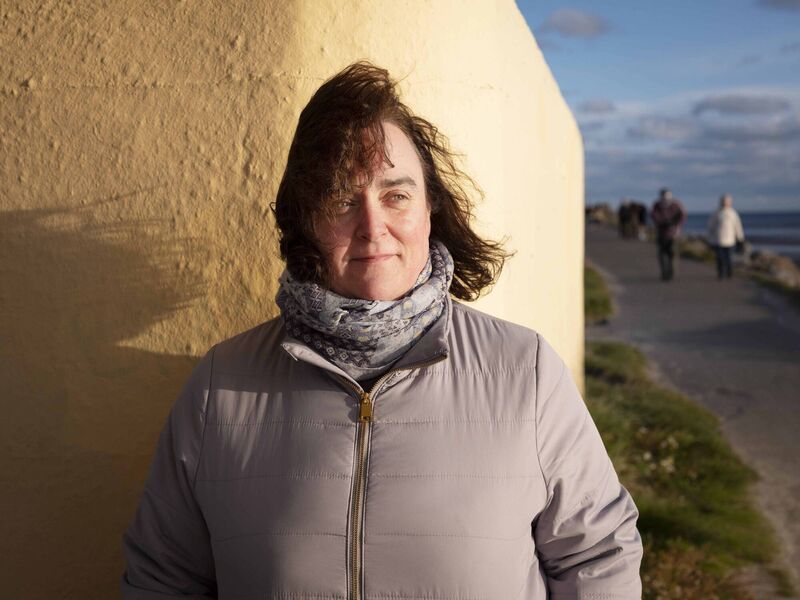
Susie Birney of the Irish Coalition for People Living with Obesity said: 'We need good regulation, but hopefully we will see the prices come down.'  Picture: Abbie Trayler-SmithSusie Birney of the Irish Coalition for People Living with Obesity said: ‘We need good regulation, but hopefully we will see the prices come down.’  Picture: Abbie Trayler-Smith

“There is a huge lack of education about these,” she said.

“They actually only suit about 35% of people, they can make the other people really really ill depending on your genetic makeup. They don’t work for everybody.”

She is uneasy with common descriptions of Mounjaro as “the King Kong of weight loss drugs”, saying individual effects vary for all these injections.

“It’s a messy area is what I’d say at the moment,” she said.

We need good regulation, but hopefully we will see the prices come down. 

“If you treat obesity, you effectively prevent other cardiorenal metabolic diseases,” she said.

She sees people in support groups swapping information about where to go for lower cost drugs which remain off the public system.