
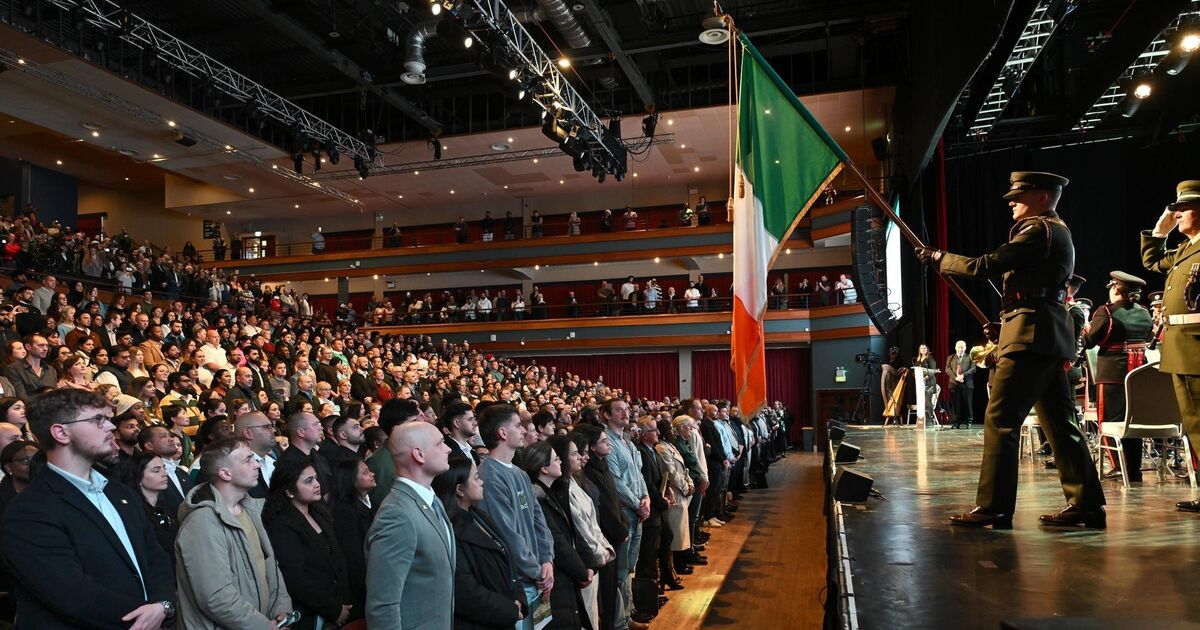
When justice minister Jim O’Callaghan stood on the plinth outside Government Buildings recently to unveil the Government’s latest migration reforms, it was clear: this was not just a tweak, it was a major revamp of how Ireland treats asylum seekers, refugees, and non-EEA residents.
With population growth reaching 1.6% last year, reportedly seven times the EU average, the Government says the reforms respond to pressure on public services, housing, and overall State capacity. But many who are already living, working, or raising families here fear the new rules will affect their lives in a markedly negative way, eroding their sense of belonging, even after years, sometimes decades, of building lives in Ireland.
 When justice minister Jim O’Callaghan unveiled the Government’s latest migration reforms, it was clear that this was not just a tweak, it was a major revamp of how Ireland treats asylum seekers, refugees, and non-EEA residents. Picture: Brian Lawless/PA
While the minister preached pragmatism, the new laws are unequivocally punitive. For those seeking to bring in spouses, children, or other family members from outside the EEA, there will be stricter income and housing thresholds; applicants must demonstrate they can financially support their family, as well as provide suitable accommodation.
 Ebun Joseph: Migrants are being treated as political capital by politicians. Picture: Marc O’Sullivan
Ms Joseph, who last year was appointed Special Rapporteur for the National Action Plan Against Racism (due out in early 2026), says migrants are being treated as political capital by politicians, who, she believes, are motivated more by votes than any duty of care to many of the State’s most vulnerable people.
“Why are they so proud of deportation flights? Why are these flights announced with such triumphalism by politicians as if they are an achievement?” she asks. “Maybe we should be looking at how much these flights cost and reinvest that money into a humane immigration policy as opposed to gloating about sending people ‘back to where they came from’.”
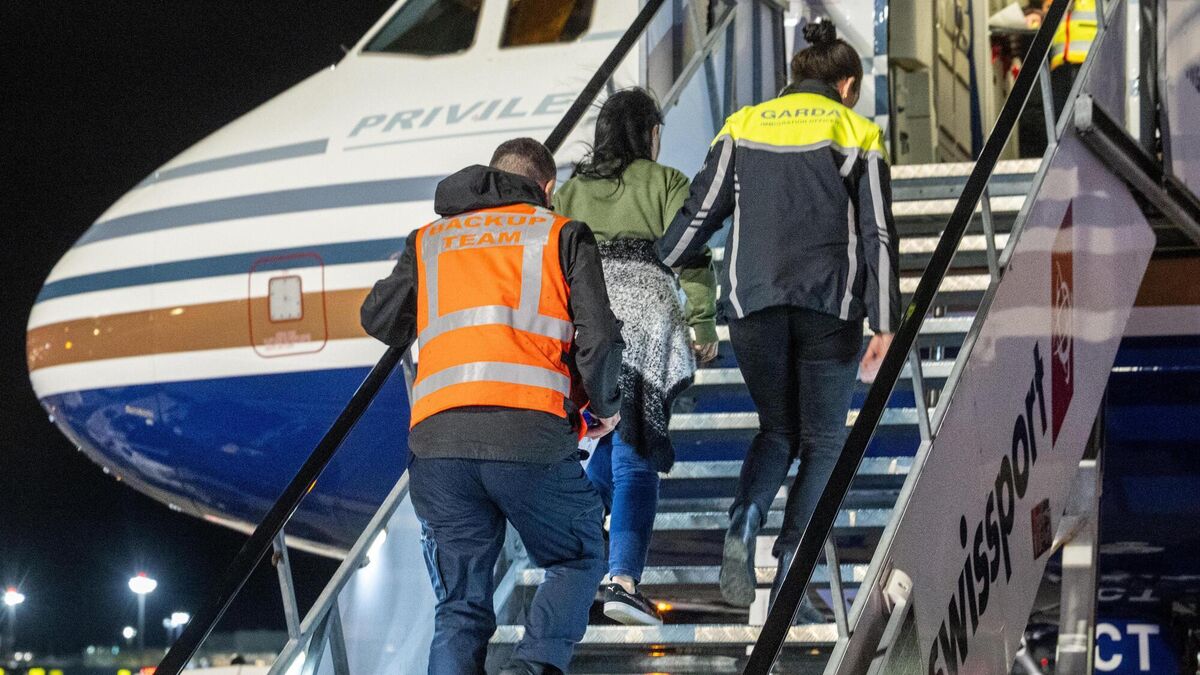 Deportees being escorted from Garda vehicles to a charter aircraft as part of Operation Trench last month. Picture: Chani Anderson
Campaigners say perhaps most insidious is the psychological effect: the sense that no matter how long someone lives here, how well they work or contribute, their pathway to belonging can always be rescinded.