
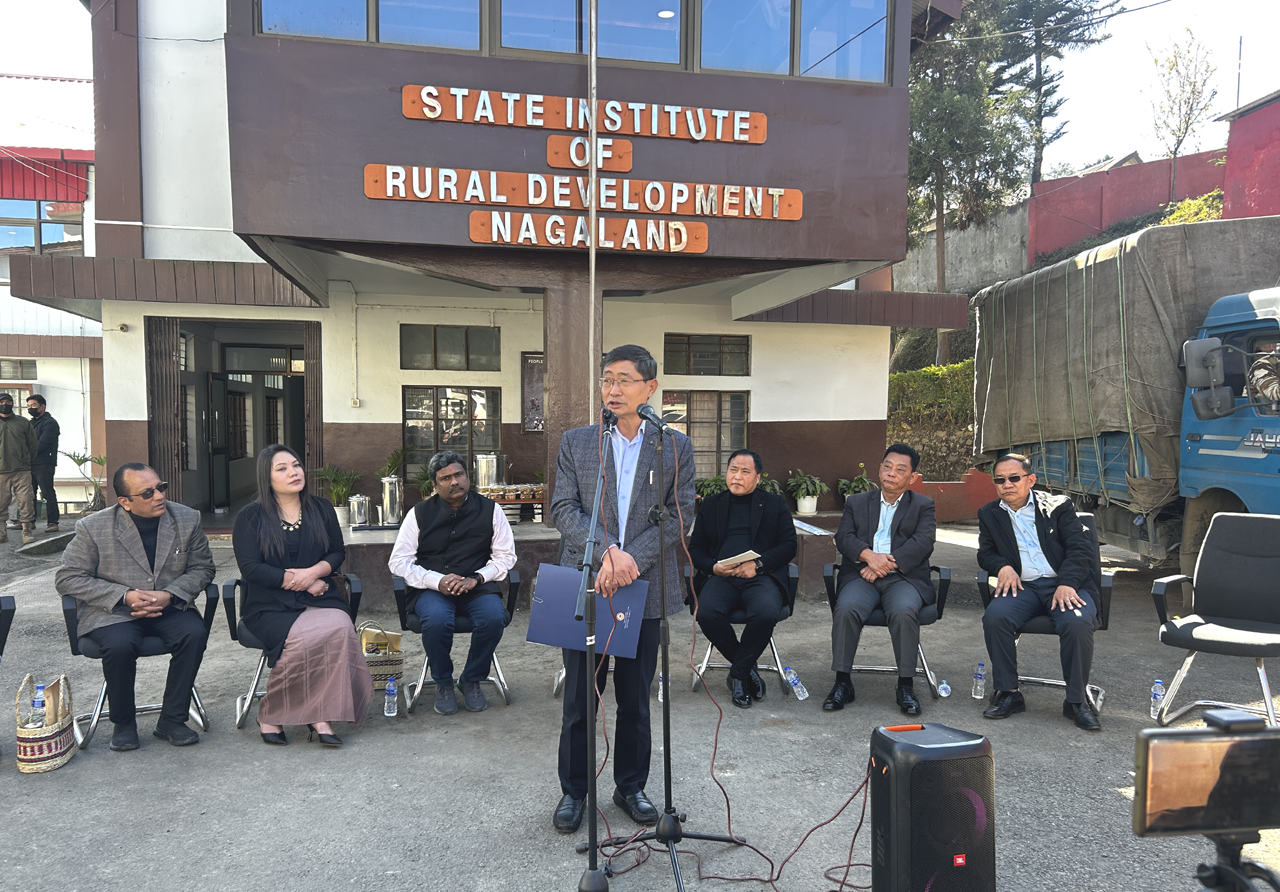
The Nagaland Bio Resource Mission (NBRM) took a significant step towards unlocking the state’s potential in the medicinal plant sector with the successful flagging off of the first commercial consignment of Zanthoxylum (locally known as Michinga/Tomar) seeds. The shipment, bound for Dabur India Limited’s North East Unit in Tezpur, Assam, marks a major milestone in the mission to tap into Nagaland’s rich biodiversity.
The flag-off ceremony, held at the SIRD Office Complex in Kohima, was followed by a Stakeholder Conclave at the SIRD Conference Hall, where key stakeholders, including government officials, farmers, and representatives from Dabur India Ltd., gathered to discuss the future of the state’s herbal and medicinal plant industry.
Dr Krolalie Tsürho, Team Leader of the Nagaland Bio Resource Mission, described the occasion as a “blessing” and expressed pride in the state’s role in providing high-quality Zanthoxylum seeds, which have already been tested and approved by Dabur. He emphasized the importance of collaborative efforts in making the project a success and highlighted the potential for improving livelihoods, market access, and overall economic growth for the state.
Download Nagaland Tribune app on Google Play
Chief Guest, Sentiyanger Imchen, IAS, Chief Secretary of Nagaland, praised the initiative as one with “true substance and potential,” underscoring the significance of Nagaland’s medicinal plant resources. While acknowledging the widespread cultivation of Zanthoxylum in the state, he called for greater production volumes to establish Nagaland as a key player in the industry.
He urged young entrepreneurs to embrace scientific and market-driven approaches to farming and cultivation, stressing the importance of quality and long-term sustainability in building strong partnerships.
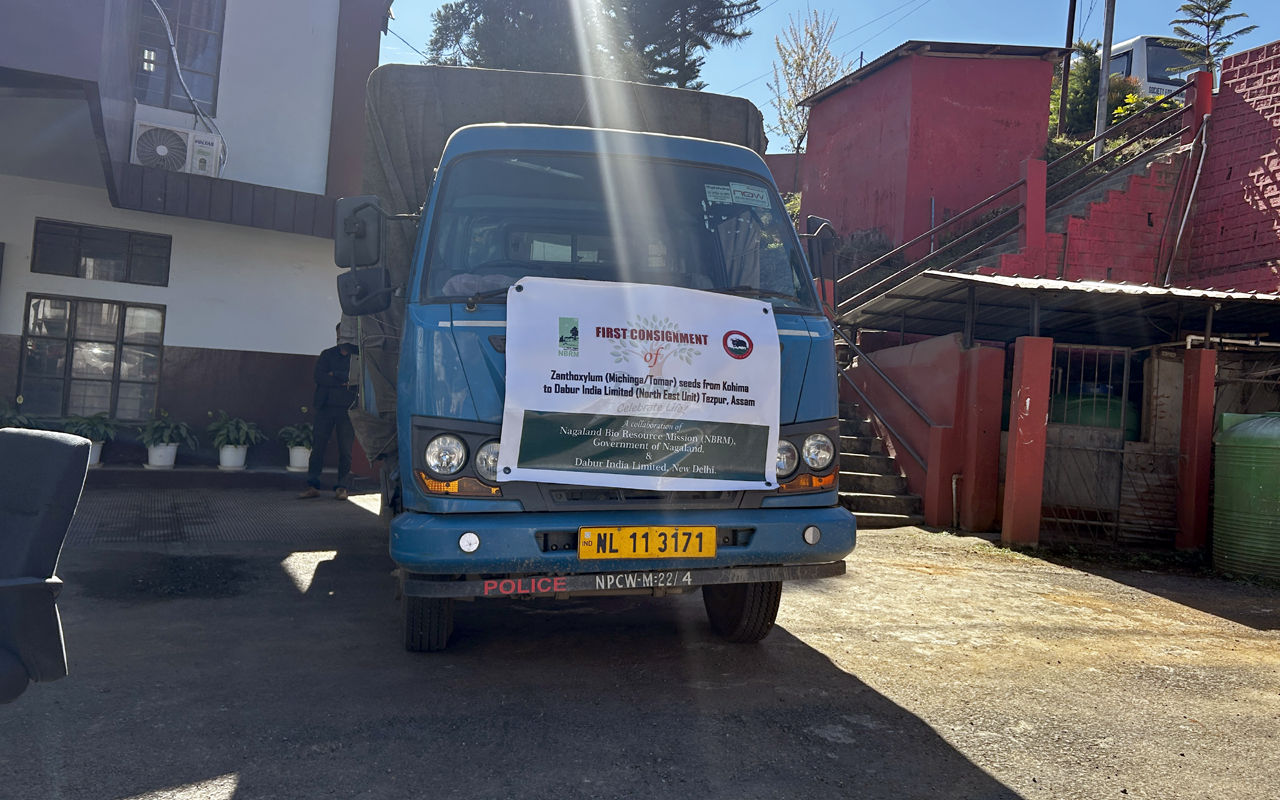
Narayanan Renganathan, Head of Central Procurement & Planning at Dabur India Ltd., reinforced the company’s commitment to supporting Nagaland’s farmers and entrepreneurs. With a legacy in Ayurveda and a growing demand for medicinal herbs, Dabur sees immense potential in Nagaland, not just for Zanthoxylum, but also for other medicinal plants and spices. He reaffirmed the company’s willingness to collaborate on capacity-building initiatives to further develop the sector.
The event marked an important step in Nagaland’s efforts to develop a robust value chain for medicinal plants, with the hope of expanding market access and creating sustainable income streams for local farmers. As the state continues to build on its natural resources, the mission aims to put Nagaland on the map as a leading source of high-quality medicinal plants in India.