
Workers will be waiting longer to retire, because of ‘anti-saving’ measures in the Budget
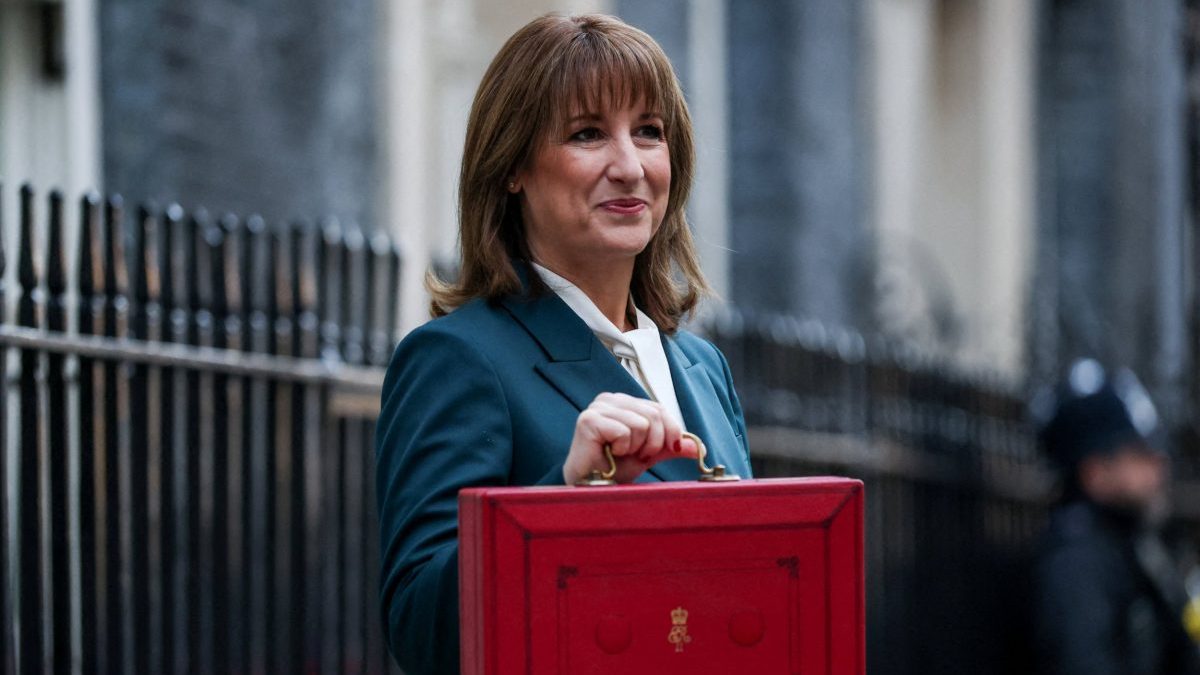
Rachel Reeves’s tax raid on savers risks disincentivising workers to put money in their pension pots and forcing them to wait longer for retirement, experts have warned.
Policies such as capping pension salary sacrifice schemes and slashing the tax-free limit for cash Individual Savings Accounts (ISAs) will worsen the issue of Britons “under-saving” for their retirement, the Chancellor has been told.
Income tax on savings is also set to rise by 2 per cent after the Budget.
Concerns about threadbare private pension pots have been heightened because of the pressure on the state system, with some economists arguing that the triple lock should be scrapped and the retirement age increased to keep costs under control.
New FeatureIn ShortQuick Stories. Same trusted journalism.
A faster or further increase to the state pension age could pile more pressure on workers to save more money into their private pots if they wish to finish stop working sooner.
But “anti-saving” policies in the Budget have raised concerns that workers could be put off, leaving them with a shortfall in retirement.
The Government could argue that it has plans to boost retirement savings by thousands of pounds by forcing pension funds to combine their assets into larger megafunds.
Risks of under-saving for retirement
Edward Jones, professor of economics at Bangor University, said: “It [Budget] did have that signal of being anti-saving. It’s already tricky enough to get people to save for retirement, especially if they’re under 35, given it’s so far away. If government sends a message that we’ll penalise that, it’s not a great space to be in.
“Long term that could put more pressure on the state to help people in their retirements, but this government doesn’t worry about that as they won’t be here… It kicks the can far down the road but when it does occur it’ll be a big crisis.
“As well as the salary sacrifice measure, the narrative comes out against saving generally. We could really do with people saving more.”
Professor Jones cautioned that more people may have to wait longer to retire as a result of the Budget: “That is likely to happen… People may find themselves working for longer because their savings aren’t sufficient to cover expenses.”
Last month, the Chancellor announced that from 2029 there will be an annual cap of £2,000 on the amount which workers can sacrifice into pensions without incurring national insurance (NI) payments. The change is expected to raise £7.3bn over five years – and will cost those using the schemes an average of £84 a year.
At the same time, the Chancellor reduced the amount which can be saved tax-free in cash ISAs from £20,000 to £12,000 a year for under-65s, with the change due to come into effect in April 2027. They can place a further £8,000 into a stocks and shares ISA. Income tax on savings will also increase by 2 per cent from 2027.
Spiralling cost of state pension
The concerns about people under-saving into private pensions coincide with rising worry about the sustainability of the state pension bill.
In the summer, the Office for Budget Responsibility said that the triple lock – which ensures the state pension rises in line with whichever is highest of inflation, wage increases or 2.5 per cent – will be three times more expensive by the end of the decade than it was expected to be when it was introduced in 2011, costing £15.5bn by 2030.
The ballooning cost has led to calls for the triple lock to be scrapped, or for the state pension age to rise more quickly or higher than currently planned to keep costs down.
A Labour MP told The i Paper that there was a pressing need for the Pensions Committee to “properly look at the future sustainability of state pensions, including the triple lock”.
At the same time, the Department for Work and Pensions (DWP) has previously warned that a significant portion of the working-age population is not saving enough into their retirement fund.
3.3 million affected by salary sacrifice policy
According to an impact assessment of the salary sacrifice policy carried out by HMRC, 3.3 million people – or 44 per cent of employees currently using salary sacrifice – would be affected by the £2,000 cap.
The measure is expected to have an impact on 290,000 employers who operate salary sacrifice arrangements for pension contributions. Experts have previously argued that businesses would lower their pension contributions or reduce pay rises for staff to get around the changes.
Stephen Barber, professor of global affairs at the University of East London, said: “There is a short-termism… some of these measures could disincentivise saving and investment for retirement.
“The Office for National Statistics reported that while the savings ratio has increased over the last couple of years the trend is for it to stagnate.
“Meanwhile the Department for Work and Pensions itself is worried that around half of Brits are not investing in a pension at all, while those retiring over the next 25 years are expected to be worse off than those retiring today. That is a problem in the future that needs policy action today.”
Another expert who has sounded the alarm about the salary sacrifice cap is the former pensions minister Sir Steve Webb, who said it could have “significant real-world implications for millions of workers”.
Webb, who is now a partner at consultancy LCP, told The i Paper: “At a time when the nation as a whole has a significant ‘under-saving’ problem, this change will make matters worse.”
He added: “Although employers have time between now and 2029 to consider their options, there is a risk that some will simply cut back on the generosity of their workplace pension offering, which would be a serious backward step.”
Will the state pension triple lock survive?
Stephen Barber, professor of global affairs at the University of East London, said the rising costs of the triple lock were putting pressure on the public finances.
“It has survived another year, but the triple lock is looking increasingly vulnerable,” he said. “Brought in for political reasons it is now creating political and economic problems.
“Even dropping it to a double lock would help stabilise public finances over the coming years. There is growing scrutiny about how sustainable the triple lock guarantee can be.
“The question is whether the Chancellor has the courage to upset the one group of voters who for so long have avoided the pain?”
Rachel Vahey, head of public policy at AJ Bell, said: “Pensions minister Torsten Bell recently ruled out scrapping the triple lock guarantee, but as the state pension grows ever closer to the frozen personal allowance [tax] threshold it could be that the government is finally forced to address the question of how much the state pension should really offer, at what age, and how it can increase payments sustainably each year.”
Meanwhile, Rachel Vahey, head of public policy at AJ Bell, said the ongoing review of the retirement age could “hasten conversations on whether to bring forward an increase to the late 2030s to save future governments money”.
She said: “The state pension age will gradually increase to age 67 between 2026 and 2028. It’s also due to rise to 68 in the mid-2040s.
“The latest state pension age review will look at whether the current rules for setting when people can start receiving their state pension still make sense, given new information on life expectancy and other important factors.”
Your next read
Shadow Work and Pensions Secretary Helen Whately said: “Rachel Reeves risks planting a ticking pensions time bomb under our economy.
“The Government is punishing people for saving. By capping pension salary sacrifice and reducing the cash ISA limit, Reeves is making it harder for people who do the right thing. And her tax raid will fund billions more in handouts to people who don’t work at all.
“Starmer and Reeves lack the backbone to face down their tax-hungry backbenchers. Only the Conservatives have a plan to make £47bn of savings including £23bn of cuts to welfare, cut taxes and get Britain working again.”
A Treasury spokesperson said: “We are encouraging more people to use stocks and shares ISAs by reducing the cash ISA limit. This will put more money in people’s pockets and help drive economic growth.
“At the same time, salary sacrifice costs were set to treble to £8bn as high-earners piled in huge bonuses without paying a penny in tax – a taxpayer-funded perk largely benefitting the better off.
“Our fair reforms protect 95 per cent of workers earning under £30,000 who use salary sacrifice, while allowing everyone to save as much as they want with unchanged income tax and NICs relief on employer contributions.”