
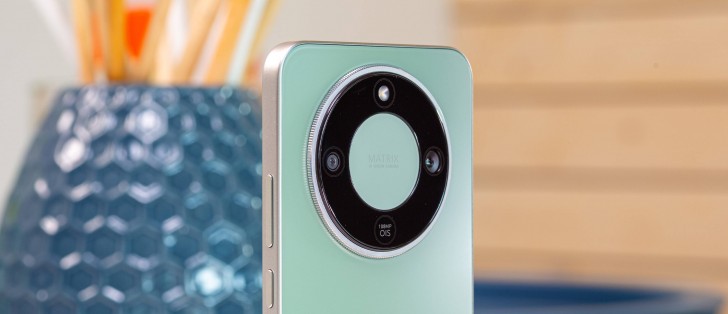
The competition
At the time of writing, the Honor Magic8 Lite is not available in stores just yet, so we can only guess its pricing. Still, we can briefly go through the potential competitors.
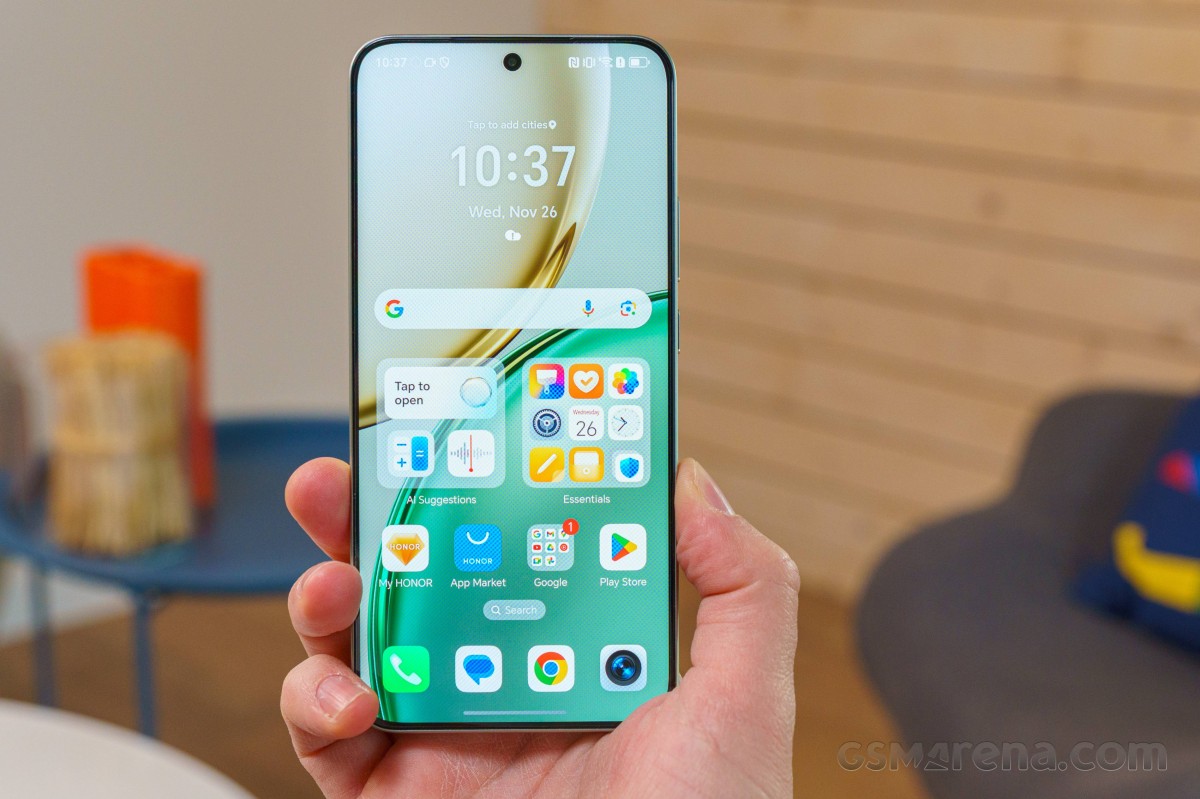
Coming from Honor’s own ranks, the Honor 400 is the most direct and most serious alternative to the Magic8 Lite. It’s a more compact handset, yet it delivers a solid performance leap thanks to the Snapdragon 7 Gen 3. Its display is smaller but sharper, and its camera setup is far more ambitious with a 200MP OIS main shooter and a 50MP 4K selfie camera. The Magic8 Lite, however, fights back with a significantly larger 6.79-inch screen and a much tougher IP68/IP69K-rated, drop-resistant body.
Samsung’s Galaxy A56 is another popular mid-range competitor, and much of its appeal lies in Samsung’s software promise-six major Android upgrades and One UI’s polished user experience. It offers a premium glass-and-aluminum build, a flagship-grade Gorilla Glass Victus+ on both sides, and a competent triple-camera system. Performance-wise, its Exynos 1580 generally outpaces the Snapdragon 6 Gen 4 found in the Magic8 Lite. Still, the Honor has notable counters: a much larger 7500 mAh battery (vs. 5000 mAh), a brighter display, a higher-resolution OIS main camera, and more extreme durability with full IP69K and drop resistance. The choice here is between Samsung’s long-term software support and Honor’s heavy-duty design and superior battery endurance.

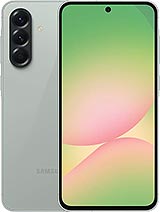
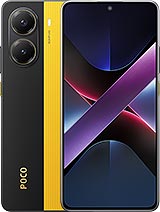

Honor 500 • Samsung Galaxy A56 • Xiaomi Poco X7 Pro • Xiaomi Redmi Note 14 Pro 5G
The Poco X7 Pro remains the performance-driven choice in this segment thanks to the powerful Dimensity 8400 Ultra chipset and blazing-fast UFS 4.0 storage. The 6000 mAh battery paired with 90W charging is also solid. The Magic8 Lite, however, offers more runtime from its larger 7500 mAh pack, a brighter display, and a much tougher IP68/IP69K and drop-resistant construction.
Finally, the Redmi Note 14 Pro 5G is the value-focused option, offering a 200MP OIS main camera, a bright 1220p AMOLED with Dolby Vision, and a balanced Dimensity 7300 Ultra chipset at a highly competitive price. It also includes stereo speakers with Dolby Atmos and the familiar Redmi extras like an IR blaster. Compared to the Magic8 Lite, though, its 5110 mAh battery is modest, charging is slower, and its durability is limited to standard IP68 without the Magic8 Lite’s IP69K rating or drop resistance. The Honor also delivers a larger display and higher peak brightness. While the Redmi wins on camera versatility per euro, the Magic8 Lite remains the more robust and longer-lasting device.
Our verdict
The Honor Magic8 Lite is one of those updates that doesn’t scream “new generation” through raw specs, but wins you over with how thoroughly it refines the formula. The star of the show is unquestionably durability – this is a mid-ranger that flirts with rugged-phone territory without looking or feeling like one. IP68/IP69K certification, resistance to high-pressure water jets, immersion up to 6m and drop protection rated to 2.5m are huge upgrades over previous Lite models and easily one of the main reasons to pick this phone over its rivals. Pair that with a large and bright 120Hz AMOLED with HDR10 support, excellent fingerprint reader and solid stereo speakers, and you get a genuinely pleasant everyday experience.
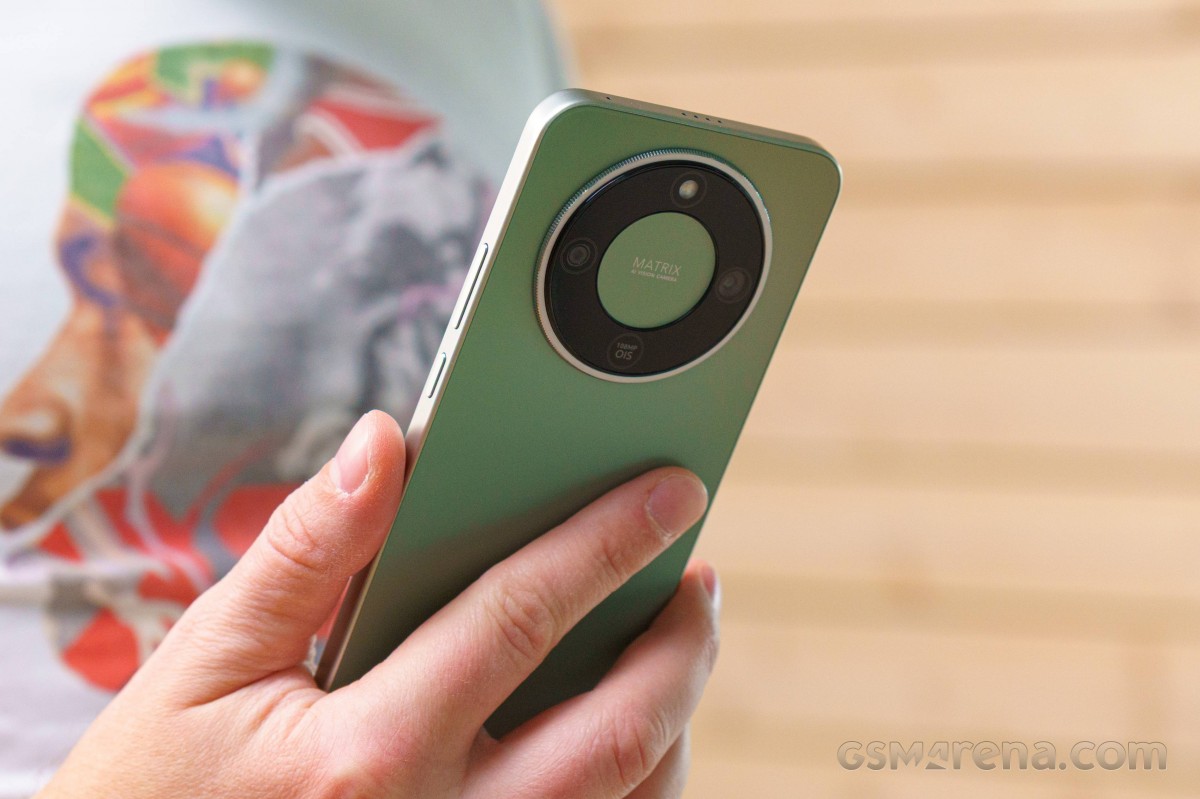
The fundamentals are all covered too. The Snapdragon 6 Gen 4 isn’t a performance monster, but it’s perfectly adequate for the class, runs cool, and – importantly – doesn’t throttle, which is more than some faster competitors can claim. The big 7,500mAh battery delivers excellent real-world endurance, and 66W charging is plenty fast when you get the proper Honor charger and cable. MagicOS 9 on top of Android 15 is feature-rich with plenty of AI tricks and quality-of-life extras, and the phone’s overall handling is nice, even if the frosted plastic back is slippery and annoyingly hard to keep clean.
Where the Magic8 Lite clearly shows its age is in the camera department. The main 108MP shooter still pulls off good photos with nice detail, pleasant colors and competent low-light output, and portraits are particularly likable. But the supporting cast is underwhelming in 2025 – the 5MP ultrawide is very soft with narrow dynamic range, the selfie camera is basic with fixed focus and few extras. Video capture tops out at 4K30 with unimpressive dynamic range and middling stabilization. In short, the camera setup leaves us wanting.
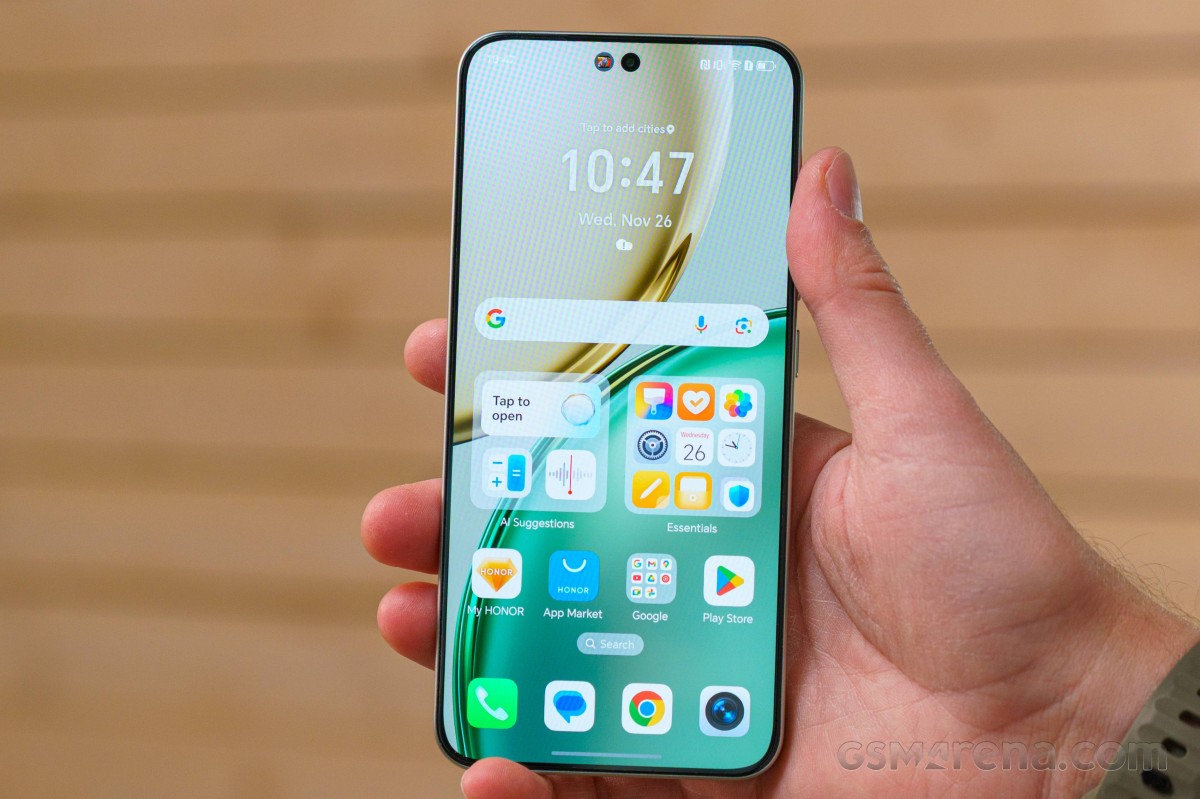
Then there’s the matter of value. The Magic8 Lite walks into a fiercely competitive mid-range segment where you can find more powerful chipsets, more versatile camera systems or longer software support from other brands.
And that’s really the conclusion: we enjoyed our time with the Honor Magic8 Lite. It’s a genuinely tough, long-lasting, nice-to-use phone that does the basics well and never misbehaves. But its success will depend on how it’s priced compared to its peers. Honor plans to release the phone in Europe in January 2026 in an 8/512GB trim.
Pros
Excellent durability for the class – IP68/IP69K, high-pressure water and 2.5m drop resistance.
Large, bright 6.79″ 120Hz AMOLED with HDR10/HDR10+ streaming and very good brightness.
Big 7,500mAh battery with great endurance and reasonably fast 66W wired charging.
Snapdragon 6 Gen 4 offers solid everyday performance with virtually no thermal throttling.
Clean, feature-rich MagicOS 9 on top of Android 15 with plenty of clever AI tools.
Good main camera performance in daylight and low light; very nice portraits.
Stereo speakers with a useful “400%” boost step and generally good sound quality.
Cons
Camera system feels dated – low-resolution 5MP ultrawide, no telephoto, basic selfie camera.
Average camera dynamic range and weak stabilization.
No eSIM, no IR blaster.