
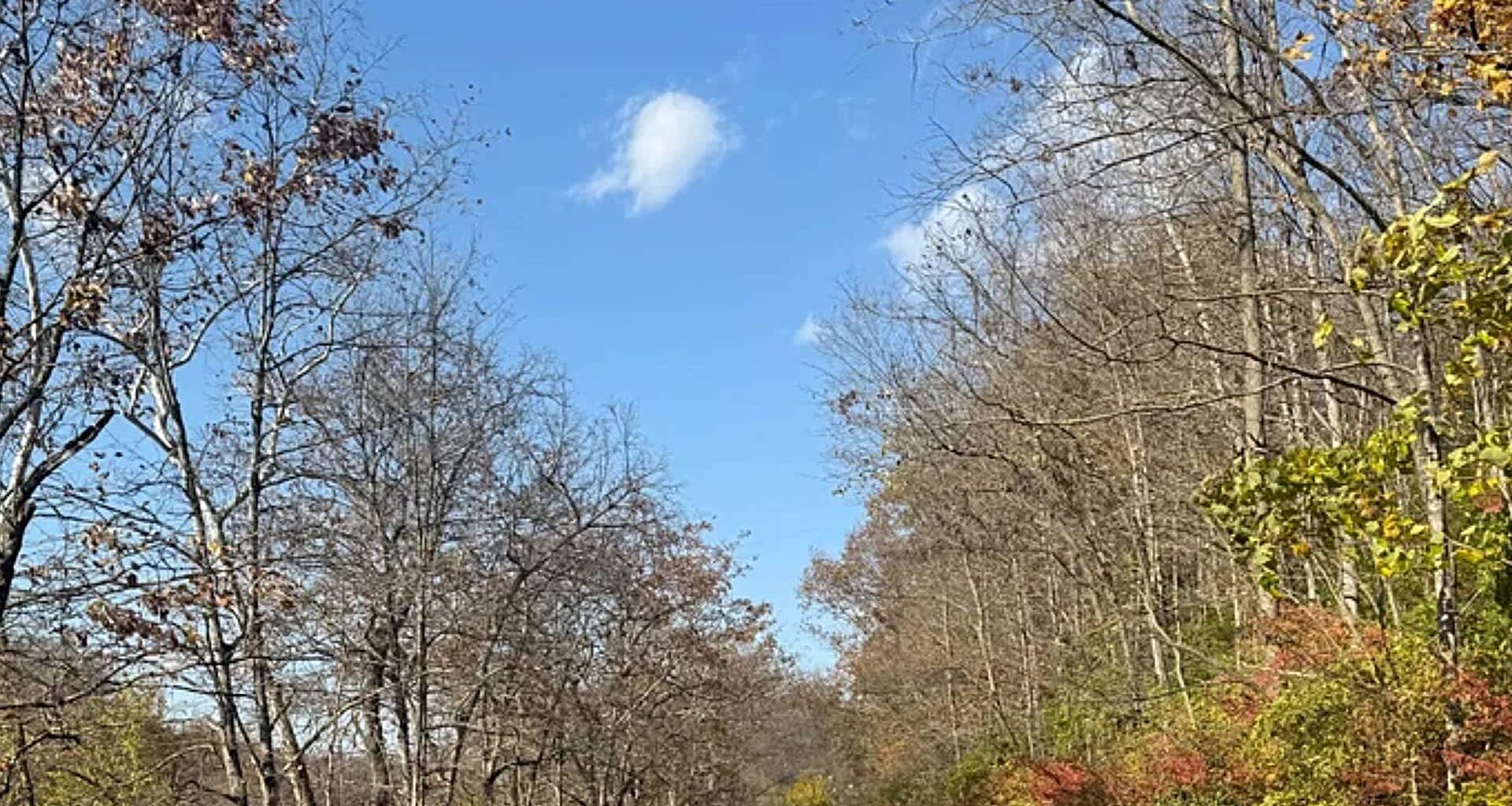
A local Southwest Ohio resident took to the r/invasivespecies subreddit to showcase how a fast-growing invasive species is taking over the habitat around their neighborhood.
The photographs shared in the post show swaths of the burning bush growing along a man-made habitat at the edge of a river and a walking path, almost completely taking over the trees and shrubbery alongside another invasive species: Amur Honeysuckle.
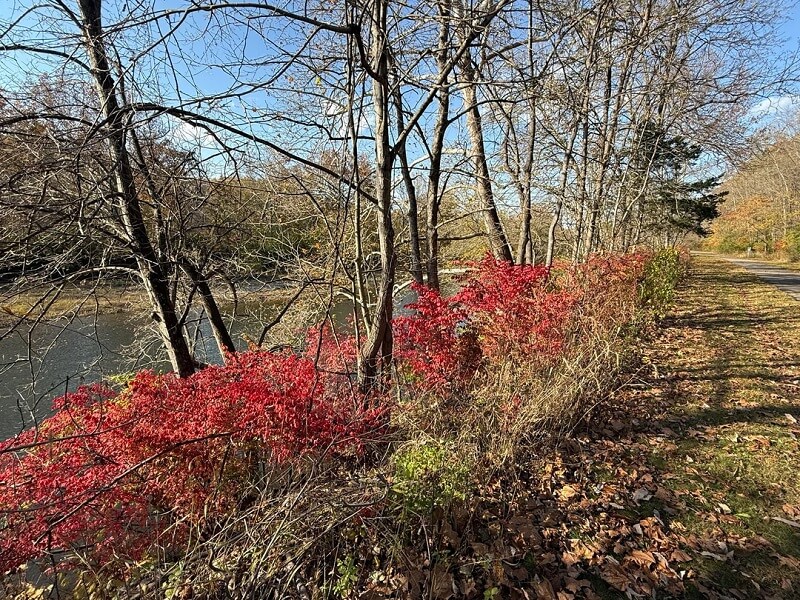 Photo Credit: Reddit
 Photo Credit: Reddit
“Amur Honeysuckle makes up the majority of invasive shrubbery in this region. Burning Bush is still rising to its ecosystem-breaking point,” the post read.
Burning bush is one of the most highly invasive plant species in the United States, recognized as such in over 21 states.
Although its attractive autumnal colors have made some homeowners happy to plant it as an ornamental addition to their garden, the reality is that its rapid growth and tendency to become densely packed with other burning bush make it a direct threat to native plant species.
Homeowners who plant it in their yards quickly come to regret the decision, as the burning bush takes over by outcompeting other plants for nutrients and space. Another Reddit user experienced it the hard way in their backyard.
TCD Picks » Upway Spotlight
💡Upway makes it easy to find discounts of up to 60% on premium e-bike brands
Burning bush reproduces so quickly because its seed is easily carried and dispersed by birds and other woodland creatures into nearby woodland and meadows after consuming its fruit.
If invasive species are allowed to reach this stage, they actively harm the environment by choking out native plants and eliminating biodiversity, threatening the stability of the ecosystem.
“It’s native counterpart: Eastern Wahoo has a small surviving population along this stretch of the bike trail too but Burning Bush saplings far outnumber the native Wahoo 100 to 1,” the OP wrote under the post, highlighting from personal experience just how drastic the disparity can become when invasive species are allowed to thrive.
“The best thing about burning Bush is that you can’t miss them this time of year if you’re looking to remove them,” another commenter wrote under the post.
TCD Picks » Stasher Spotlight
💡Stasher’s reusable food storage options make it easy and affordable to live life with less plastic
While taking local action to remove invasive species in your area is a sound strategy, one of the most effective ways to do so is simply planting more native species to prevent them from being outcompeted.
Avoiding the mistakes of other homeowners and not giving into the trend of planting invasive species like burning bush in your yard by rewilding your lawn with native species instead will not only keep your garden healthy and enhance your mental health, but also save you money due to the generally low maintenance and water guzzling needed for most native plants.
Native plants tend to be adapted to the local climate, so they’re relatively self-sufficient. They can grow without the need to spend large sums on fertilizers or pesticides to keep pests and bugs away, and many are natural deterrents to these pests.
Going for a natural lawn can also create a more attractive ecosystem for pollinators that help support the food supply.
Some other, more affordable options outside of native plants include clover and buffalo grass, which also require little attention on your part.
You can also xeriscape your lawn, essentially landscaping it so it requires little to no water.
Get TCD’s free newsletters for easy tips to save more, waste less, and make smarter choices — and earn up to $5,000 toward clean upgrades in TCD’s exclusive Rewards Club.
