
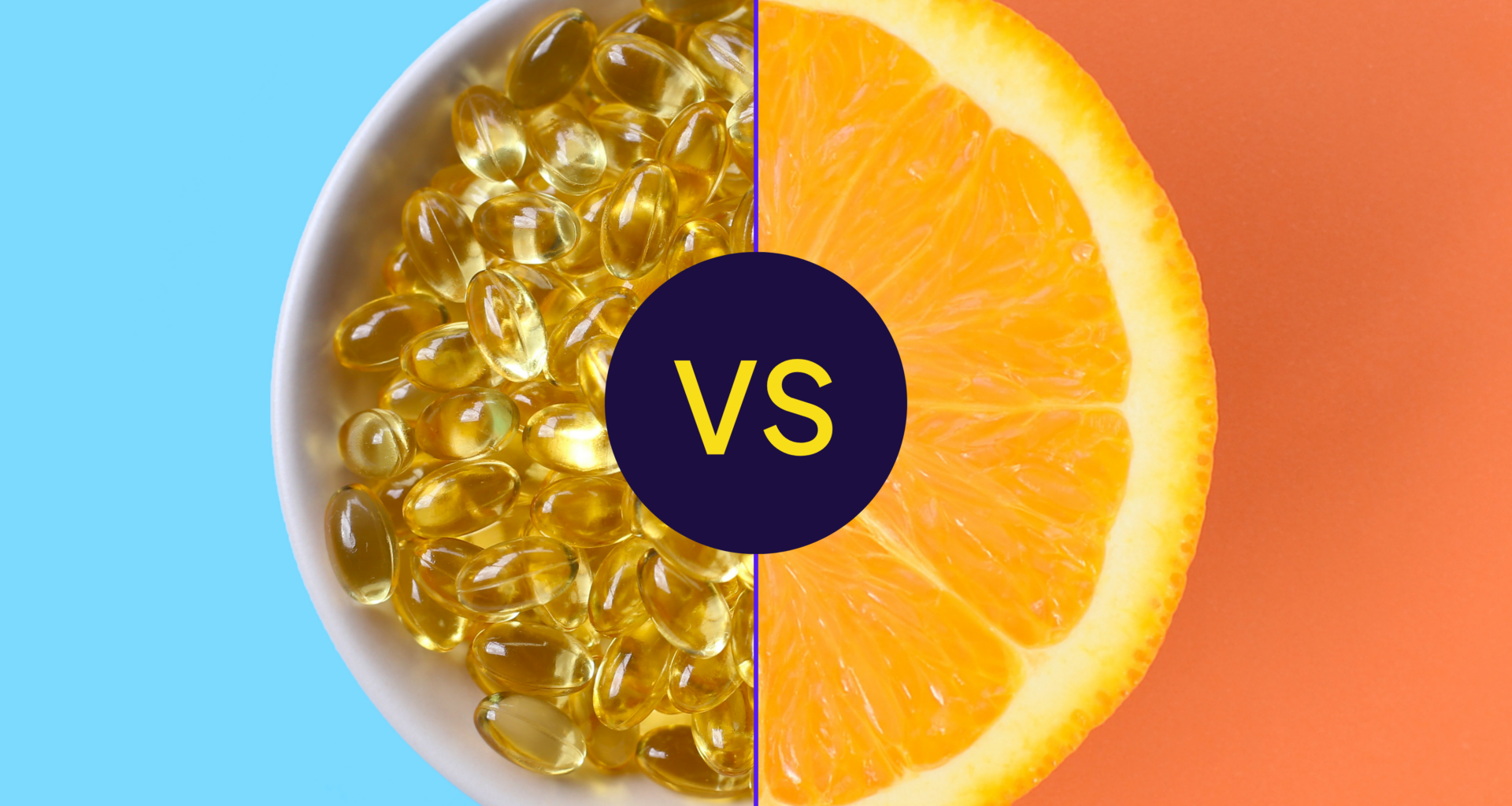
During cold and flu season, there’s lots of chatter about whether vitamin C or vitamin D is better for fighting off infections. The truth, however, is a little more complicated: Both vitamins are vital for immune health, but one isn’t universally “better” than the other—and they may not support your immune system in the ways you think they do.
Vitamin C has many functions, including helping the immune system work well enough to protect against disease. The vitamin supports cellular functions of both the innate and adaptive immune systems (respectively, the immune defenses you’re born with and those you build up over time, such as by responding to vaccinations and infections). It also acts as an antioxidant, protecting cells from damage caused by free radicals, which can increase the risk of cancer and other diseases.
Vitamin C is “essential for normal immune function,” said Katharine DeGeorge, MD, a family medicine physician with UVA Health who has studied cold remedies. But it’s important to understand its limits. Vitamin C helps maintain regular immune health, but it isn’t a shield from germs.
“In generally healthy adults, taking vitamin C doesn’t keep you from getting sick,” DeGeorge told Health. “At best, if you start it within a day of feeling a cold come on, it may slightly reduce the duration of symptoms, but not by much.”
Vitamin C may reduce the severity of a cold by about 15% compared to a placebo, research suggests.
Vitamin D plays “a regulatory role” for the immune system, explained Adrian Martineau, MBBS, PhD, a clinical professor of respiratory infection and immunity at Queen Mary University of London. Among other functions, it seems to keep inflammation in check and prevent the immune system from attacking the body’s own healthy tissues, Martineau explained.
People deficient in vitamin D also seem to be extra susceptible to infections, which suggests it plays a part in maintaining immune health.
Based on that link, you might assume that popping vitamin D supplements will keep you from getting sick, particularly if your levels are low. But the data are complicated.
Some studies have found that when people deficient in vitamin D take supplements, their risk of infections goes down. But in 2025, Martineau and his colleagues reviewed more than 40 previously published studies on the topic. When looking at the whole body of evidence, they found that “vitamin D was no better than a placebo at reducing the risk of acute respiratory infections,” he told Health.
Neither vitamin is inherently “better” for immunity. Both are crucial for keeping your immune system functioning as it should—but neither is a magic bullet for preventing or treating common illnesses. Take a balanced approach: Don’t neglect either vitamin, but also don’t rely on vitamins and vitamins alone to keep you healthy during cold and flu season.
“It’s less about which one is more ‘important’ and more about avoiding deficiency in either,” DeGeorge said.
Vitamin D deficiency is the more common of the two. By some estimates, about 25% of Americans don’t get enough, and groups including older adults and people of color are at particular risk. By contrast, only about 7% of U.S. adults are deficient in vitamin C, according to one 2023 study.
Vitamin C is “widely found in fruits and vegetables,” said Kristen Smith, MS, RDN, a spokesperson for the Academy of Nutrition and Dietetics. Citrus fruits, peppers, kiwi, broccoli, and tomatoes are all good sources.
Most U.S. adults can meet their vitamin C targets (75 milligrams (mg) per day for women or 90 mg per day for men) simply by eating the recommended 2 cups of fruit and 2.5 cups of vegetables per day. Eating a big mixed veggie salad for lunch, an orange with breakfast, and a handful of strawberries for a snack would get you there.
Meanwhile, federal dietary guidelines recommend getting 600 international units (IU) of vitamin D per day. “Because relatively few foods are naturally rich in vitamin D, it can be challenging to get adequate amounts through diet alone,” Smith explained. Fatty fish, egg yolks, beef liver, and mushrooms are among the only natural food sources of vitamin D, although other products are fortified with it, and the skin makes some vitamin D through sun exposure.
Even though it can be hard to consume enough through food, professional organizations such as the Endocrine Society generally do not recommend that adults without a known deficiency use vitamin D supplements to prevent disease. There’s just not enough evidence to prove they work for that purpose.
Vitamin D supplements may be appropriate for those who are truly deficient, DeGeorge said. But it’s not always easy to tell if you are. “Vitamin D deficiency usually has no symptoms until it’s severe enough to cause bone pain, muscle weakness, or fractures,” she explained.
The U.S. Preventive Services Task Force says there’s not enough evidence to say whether healthy adults should get screened for vitamin D deficiency. But some at-risk groups, including older adults, people who get little sun, people of color, and people with certain medical conditions, may want to discuss it with their doctors, DeGeorge said.
Taking a supplement when you don’t have a deficiency may seem harmless, but that isn’t always the case. “Megadosing” with more than 2,000 mg of vitamin C per day can upset the GI system and raise your risk of kidney stones, DeGeorge said. Excessive vitamin D (more than 4,000 IUs per day) is also linked to nausea, weakness, kidney stones, and other complications.
The bottom line: It’s important to get enough vitamin C and vitamin D to support your immunity and overall health, but don’t go overboard. “Taking large supplemental doses ‘just in case’ isn’t supported by evidence and can backfire,” DeGeorge said.