
Exercise often falls by the wayside in the darker, gloomier months, but working out undoubtedly lifts our mood and keeps us mobile, which is essential at any time of year. To make life easier (and more comfortable), it may be helpful to switch your regular walking, running, or weights session for one of the many low-impact cardio workouts at home.
Even just a short 15-minute Pilates workout or upper-body dumbbell workout can make a huge difference to your energy levels. “Exercising in winter is especially important as regular movement can boost your immune system, keep energy levels high, support heart health, maintain muscle mass and flexibility and improve sleep quality,” says Michelle D’Onofrio, a Pilates instructor and co-founder of YATTA Studios in Buckinghamshire.
You may like
Low-impact cardio workouts15-minute strength, balance and mobility workout
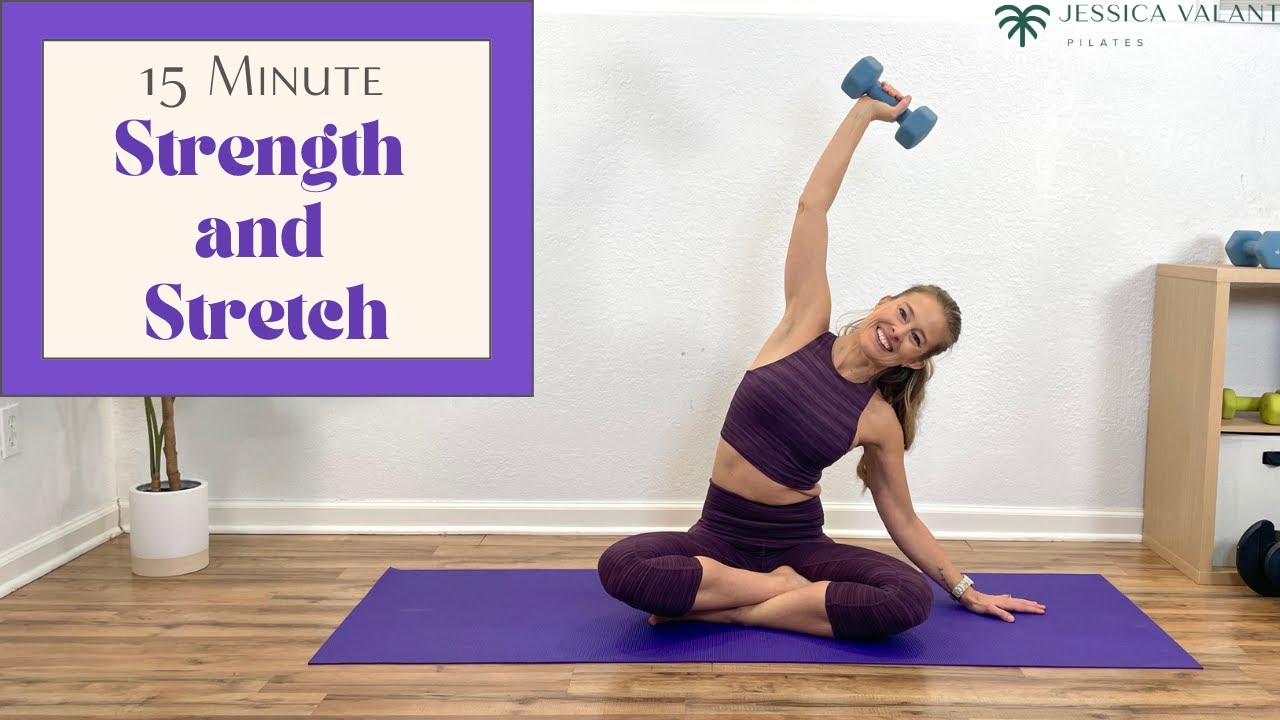
A simple strength, balance, and mobility workout may be all you need to feel better this winter, and this one by physical therapist, Pilates teacher, and coach Jessica Valant takes just 15 minutes.
Add some dumbbells if you want to, as shown in the video below, or do this as an entirely bodyweight workout. It’s up to you. You’ll know you’re working at moderate intensity (the level we need to maintain health and fitness) when you can still speak relatively easily, but singing would be a struggle.
Try this workout:
15 Minute Dumbbell and Stretch Workout at Home! – YouTube
HOMCOM
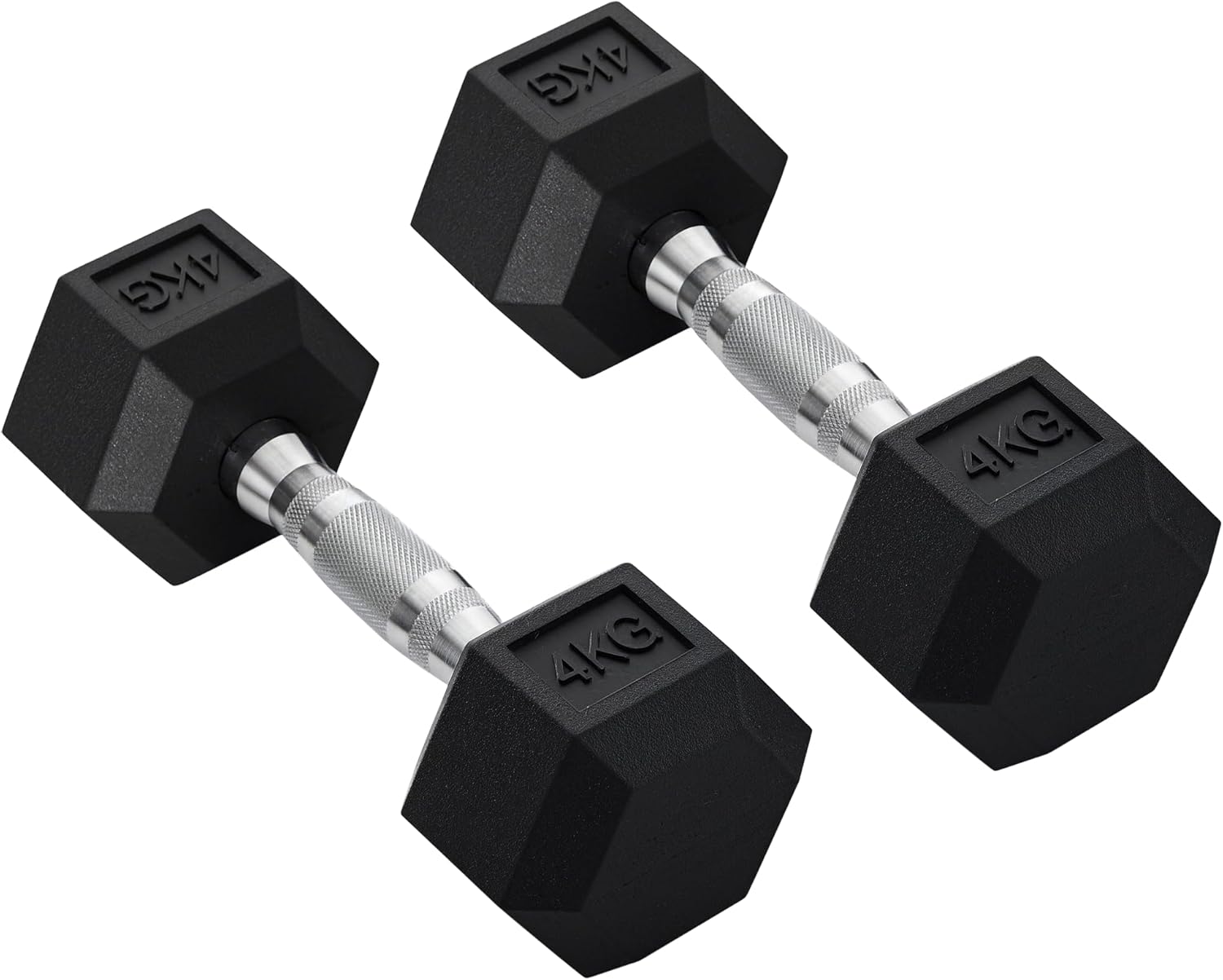
Dumbbell Weights Sets Home Gym (2 x 4kg)
Dumbells fire up the resistance in these exercises and are basically essential if you want to make progress. If you don’t already have some, this set are almost half price right now.
15-minute low-impact walk
Even if you’re staying at home, you can still walk as a workout. PT Anya suggests using a treadmill or one of the best walking pads at home.
You don’t need long to give your bones and muscles a workout with this indoor walking workout, created by the trainer.
Here’s how to do it:
You may like
0 – 3 minutes: Easy warm-up walk. Relax your shoulders, lengthen your stride, breathe steadily.3 – 6 minutes: Increase speed to a brisk walk. You should feel warm and slightly breathless, but still able to talk.6 – 9 minutes: Add incline if you have it. Keep your posture tall, core lightly engaged, arms swinging naturally.9 – 11 minutes: Reduce incline, stay brisk. Focus on strong, purposeful steps.11 – 13 minutes: Add a power interval. Walk a little faster than usual, but still low impact. No jogging.13 – 15 minutes: Cool down. Slow the pace gradually and let your heart rate settle.
CITYSPORTS
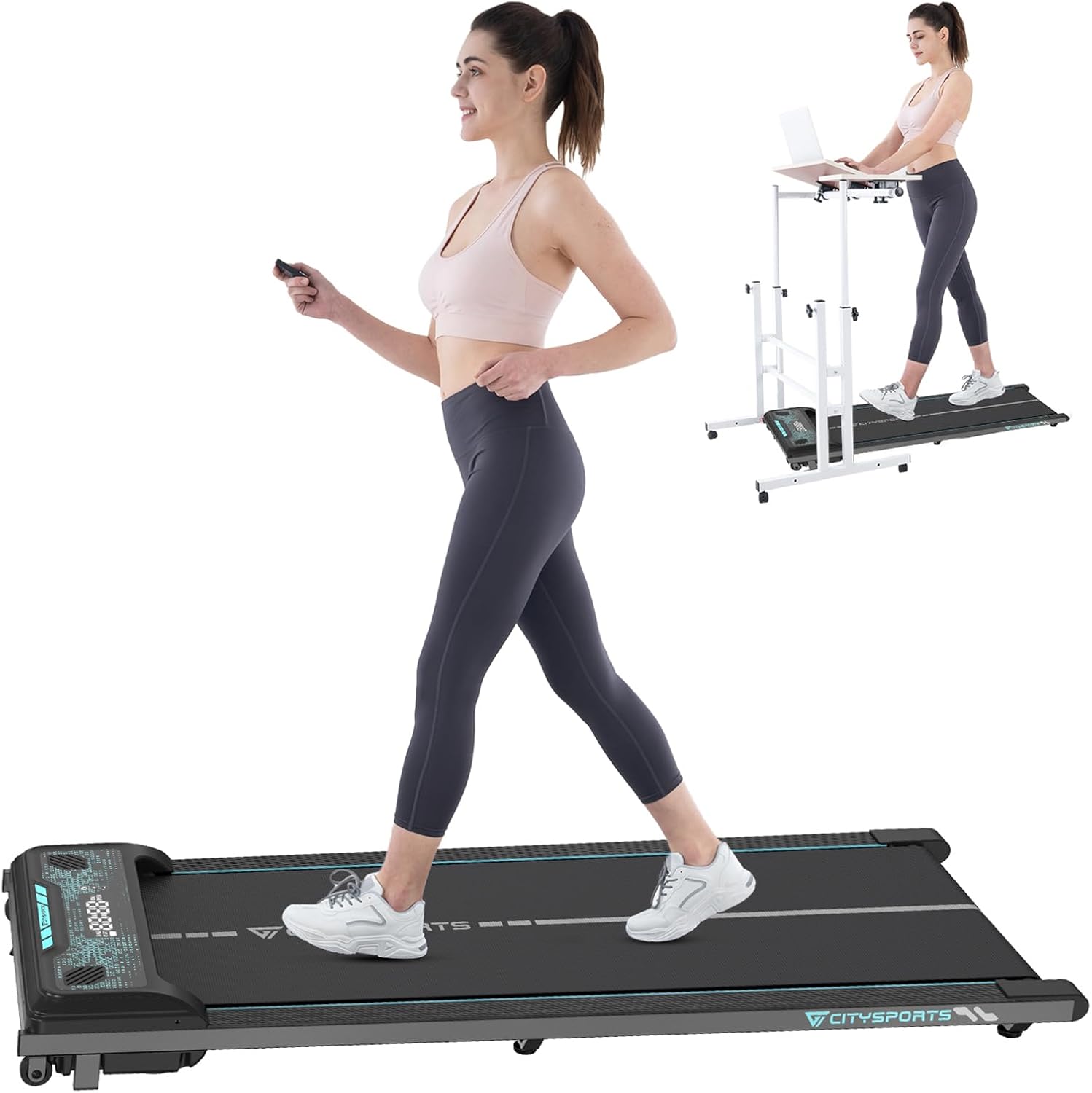
Under Desk Treadmill
Wondering if walking pads are worth it? Health Writer Susan Griffin took the CitySports Walking Pad for a spin and loved its budget-friendly price tag, convenience, and easy set up.
15-minute yoga class
Stretching and yoga often get tarred with the same ‘easy’ brush. Those who know it know it’s one of the better low-impact cardio workouts.
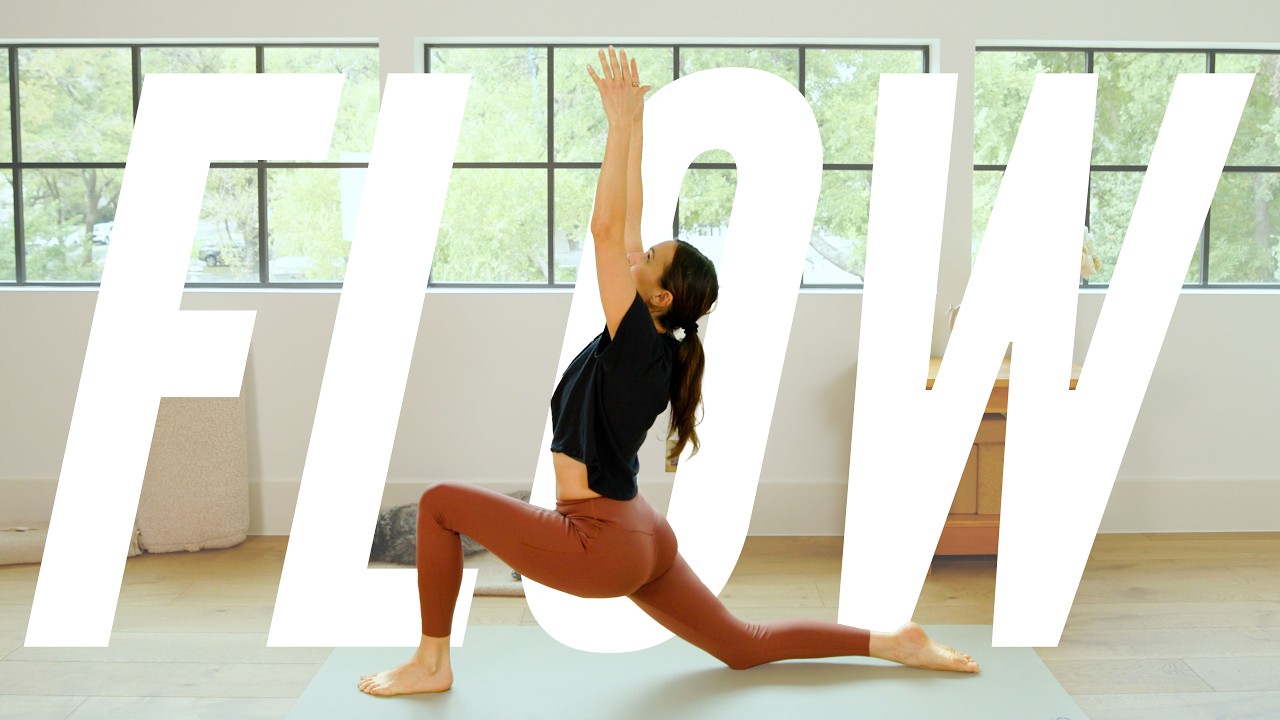
Adriene Mishler is one of the most popular yoga instructors on YouTube. Many people (including myself) followed her Yoga with Adriene workouts from home during the pandemic to relax and stretch out the stress. She has a great 15-minute workout that’ll get your heart rate and energy levels up, so grab your thick yoga mat and get going.
Try this workout:
Flow On The Go – 15 Minute Yoga Practice – YouTube
Watch On
15-minute low-impact HIIT workout
Often, we’re told to avoid HIIT workouts as they can cause our heart rate to skyrocket and raise our cortisol levels. However, low-impact HIIT will get your heart rate up enough to boost cardiovascular health, without the same intensity.
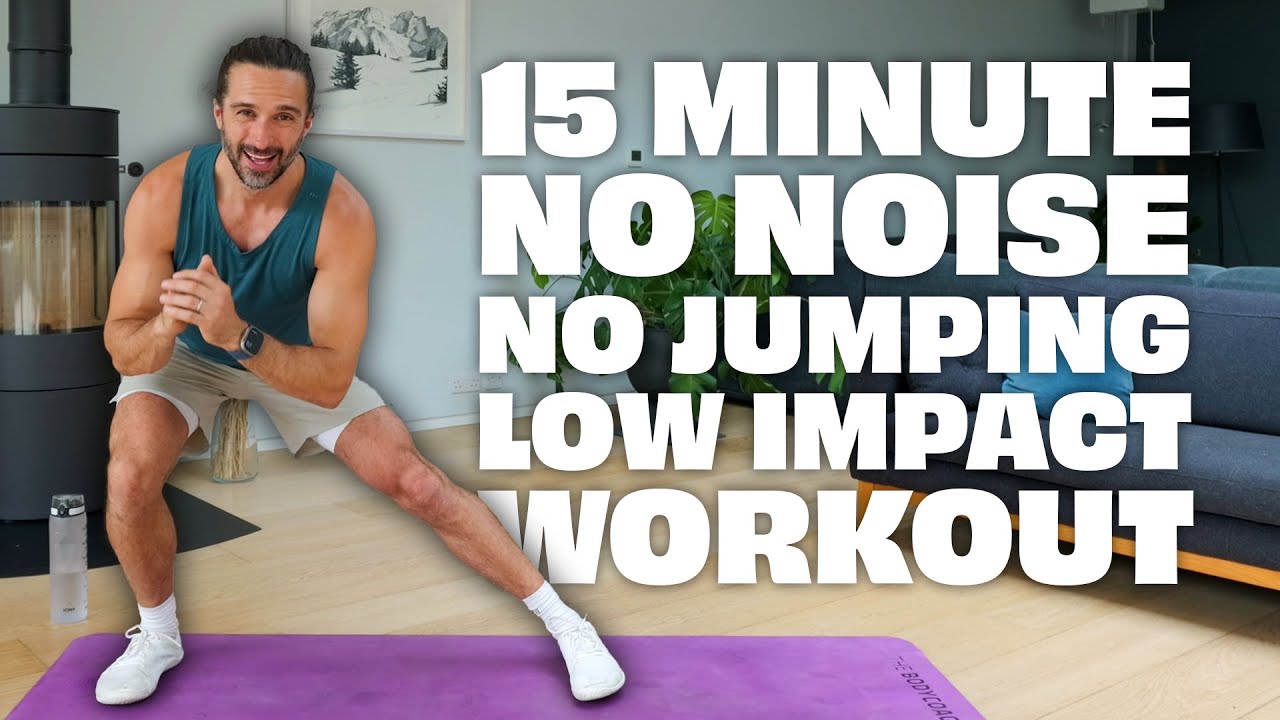
Joe Wicks (aka The Body Coach) is the original low-impact cardio workout king. If you cast your mind back to lockdown days, he kept us all active with daily movement sessions on YouTube.
Try this one:
NO Jumping NO Noise Home Workout | Joe Wicks Workouts – YouTube
Watch On
45-minute Pilates-inspired cardio
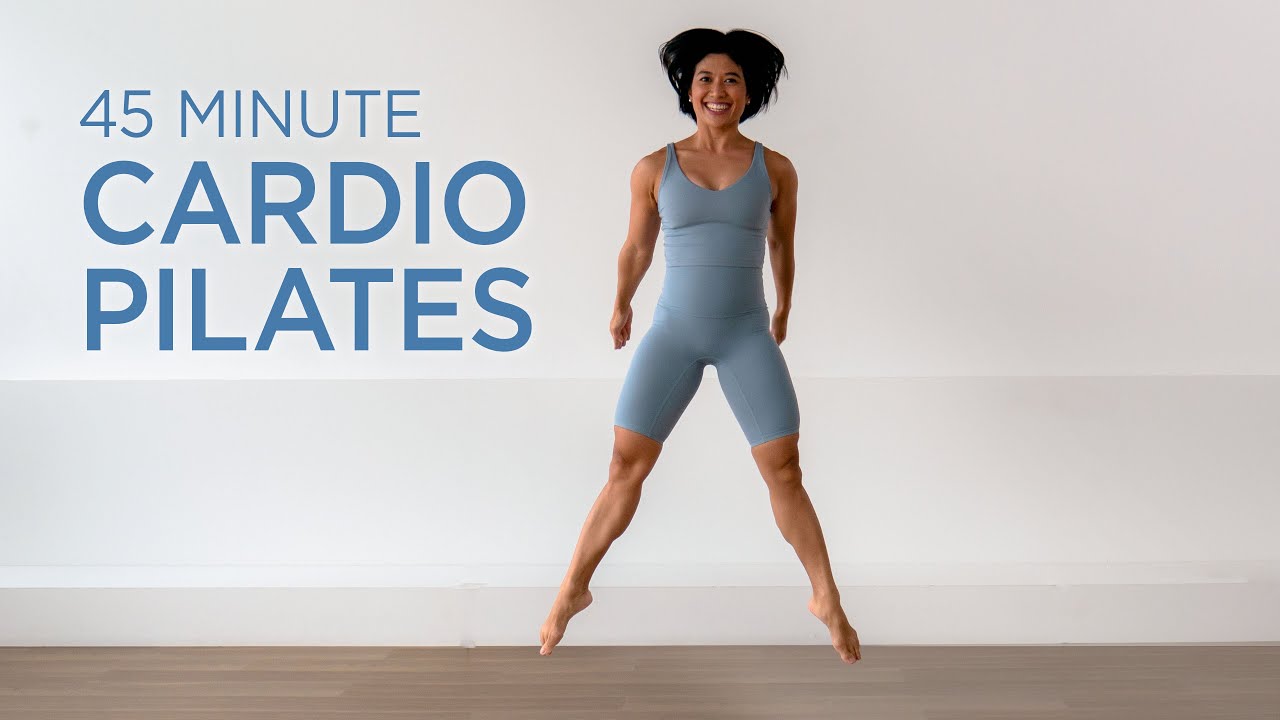
Fancy something longer than 15 minutes? Pilates isn’t traditionally a workout that raises the heart rate. In fact, it’s designed to be slow and controlled. Yet, you can find a selection of home Pilates workouts that do just this by combining faster-paced movements with burners like 100s, leg raises, and squats. Flow with Mira is a team favourite, led by certified BASI Pilates teacher, Mira Hassan.
“This fast intermediate Pilates flow brings your heart rate up! Even though it’s a fast-paced class, we aim to keep the same integrity and precision for each movement,” she says.
Try it here:
45 min Cardio Pilates Workout – YouTube
Watch On
Benefits of low-impact cardio workouts1. Soft on joints
As much as it’s important to challenge our bones and joints with weight-bearing exercises, low-impact cardio workouts can improve strength in these areas without the impact that jumping, brisk walking, and running bring.
For those with painful joints, new to exercise, or who have been told to avoid high-impact exercise, this is a great way to keep fit.
2. Boosts cardiovascular health
As long as you get your heart rate up, you’re boosting your cardiovascular health. Just because it’s low impact doesn’t mean it’s low intensity.
Take yoga, for instance. Melissa Leach, a strength and conditioning specialist, yoga expert, and resident coach at Yoga Go says: “Yoga’s breathing techniques, such as pranayama, can improve lung capacity and efficiency. At the same time, holding and flowing through poses gently challenges your muscles and cardiovascular system, improving stamina without excessive strain.”
Studies published in the British Medical Journal have also found that as little as 30 minutes of regular yoga can boost cardiovascular health by lowering blood pressure, cholesterol, and inflammation, in turn reducing the risk of cardiovascular disease and stroke.
3. Suitable for menopause
Low-impact cardio activities like yoga and Pilates are suited to those going through menopause, as Anya says, as they don’t put extra stress on aching joints or a nervous system that’s already under pressure.
“Paired with resistance training, low-impact cardio helps maintain muscle and bone health while supporting steady energy, balanced mood, and a healthy metabolism through midlife,” she explains.
4. May help weight loss
If you do a workout consistently for five or six days a week, it will help manage your weight and aid weight loss. You could start with a 15-minute workout and then build up the time and weights used once your stamina and strength increase.
Nicole Chapman, PT and founder of the Power of Mum fitness app, says: “As with any form of exercise, it works best alongside a balanced diet that creates a gentle calorie deficit. Low impact doesn’t mean low effort. You can still work hard, feel challenged and build strength without the jumping or impact that stresses the joints.”
5. Boosts energy levels
Several studies have found that aerobic (i.e. cardio) exercise is good for our brain health, and low-impact cardio workouts are no different.
The short-term benefits of yoga, Pilates, and walking include boosted blood flow and oxygen to the brain, production of endorphins (which boost our energy levels), and improvements in memory, focus, and mood.
How often should you do low-impact cardio workouts?
The NHS recommends 75 minutes of vigorous-intensity exercise, which is 70% to 85% of your maximum heart rate (220 minus your age). If you can get your heart rate in this range, then you can do one of these 15-minute workouts five days a week.
You can work out if you’re in the right heart rate zone by using one of the best fitness trackers, which record your heart rate live on the watch, or by checking your breathing. If you’re breathing hard and sweating, you’re likely in the right place.