
Every year comes with certain astronomical events, and this year, scientists have been able to predict an occurrence that defies anything we have ever seen. As next year is fast approaching, this article breaks down the different phenomena appearing in our skies in the near future, such as meteor showers and planet pairings, and the ways you can get to witness them in 2026.
Scientists predict the full order of astronomical events for 2026
Below is a calendar of each astronomical event, together with its full moon, for the year 2026.
January: Early meteor shower and full moon
In the first weeks of January, the cold skies will welcome a shower of meteoroids. Also, on January 3, we will witness the Wolf moon.
February: Twilight pairing of planets and full moon
In February, Venus and Saturn will create an orbital pairing in the night sky. And on February 1, we will see the Snow Moon.
March: Faint comet and full moon
In March, scientists will be able to view the passing of the faint comet 3I/ATLAS. Also, we will see the Worm Moon.
April: The Lyrid meteor shower and full moon
Astronomers will be able to see the dust trails by Comet Thatcher in a meteor display. Also, we see the Pink Moon.
May: Lunar occultation with Jupiter and full moon
In May, a conjunction will be formed between the Moon and Jupiter. This will be accompanied by the Blue Moon by the month’s end.
June: Rare brightness in the Milky Way core and full moon
At the centre of the galaxy, scientists will be able to observe a rare brightness like never before. Then, the Strawberry full moon.
July: Beginning of Delta Aquariids and full moon
Scientists expect a slow double meteor shower in the night sky of July. Then the Buck Moon.
August: Total solar eclipse and full moon
A total solar eclipse will occur and be seen across Greenland, Iceland, and northern Spain. This will be followed by the Sturgeon Moon.
September: Neptune in opposition and full moon
The distant giant in our solar system will open a rare window for clarity. Then, we see the Harvest Moon.
October: The Draconids meteor and full moon
We will see an unexpected shower of Draconid meteors across the sky. Then we see the Hunter’s full moon.
November: Intersection of meteor showers
The Taurids and Leonids showers will overlap in a fireball-hazardous manner. Then we see the Beaver Moon.
December: Mars would shine again
As the year comes to an end, scientists will be able to watch Mars from a brighter window. Plus, we see the Cold Moon.
The historic total eclipse of 2026
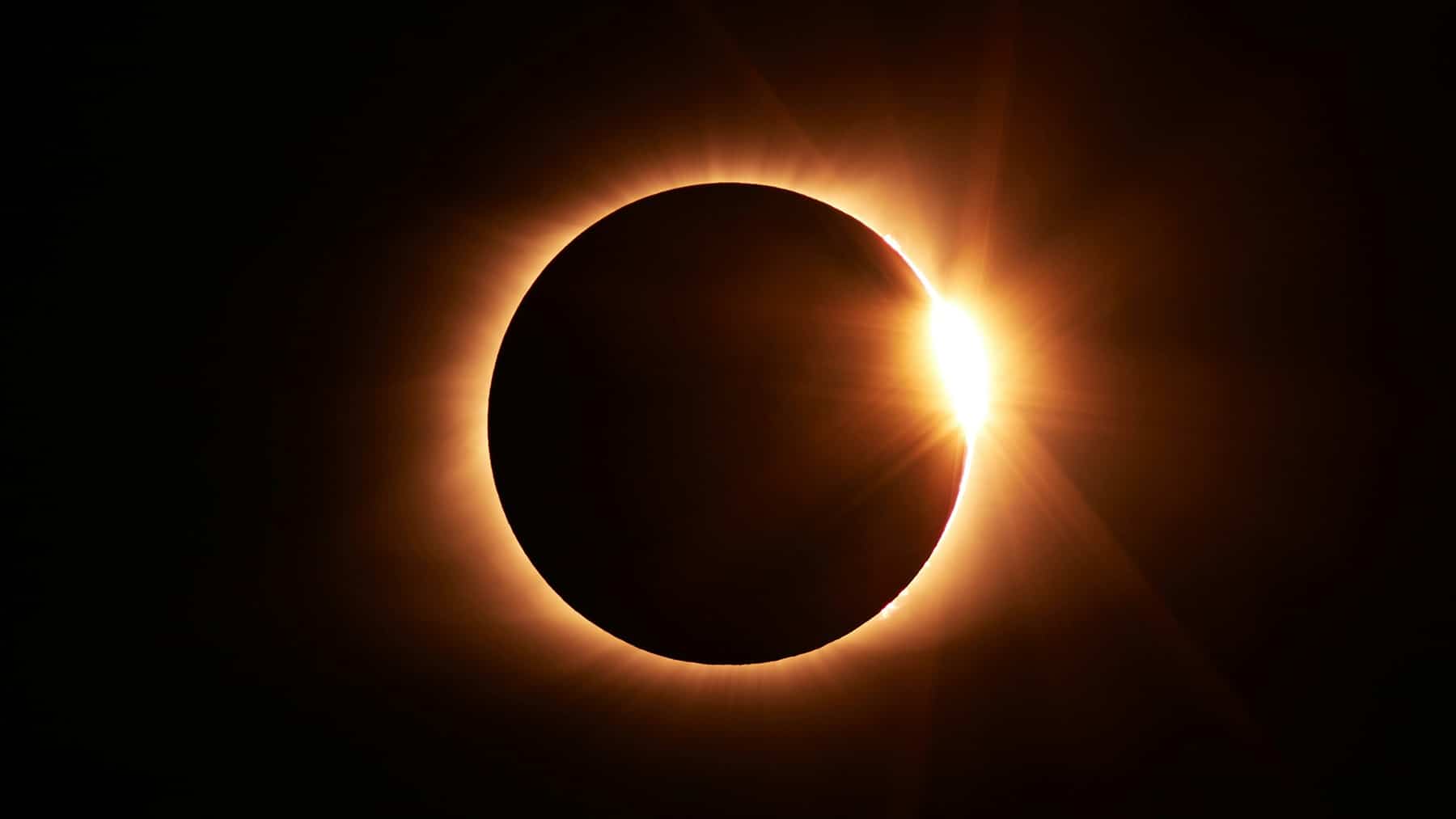
Following the occurrence of these astronomical events, one remains an absolute headliner. This is the total eclipse where our giant Sun and Moon form a conjunction with one another, like the unseen total darkness event warned by NASA. Astronomers have described this event as a dramatic alignment where daylight will disappear behind the moon for a few minutes.
This alignment will occur on August 16 and be seen across entire cities in Europe. This total eclipse will create a midday twilight, causing the average temperature to drop with a sudden bloom of solar corona.
Experts describe this total eclipse as a historic astronomical event for several reasons. One is for its geometry, which will form a magnificent ring of fire.
What these astronomical events mean for astronomy
For astronomers, this calendar of events offers a window into the workings of our solar system. The shower of meteoroids and planetary conjunction presents more understanding of the mechanics of our galaxy.
Going forward, the historic solar eclipse would become one of the most defining events of the year. As December fades and we go into the new year, astronomers and stargazers are beyond excited. That is because, at the end of the year, they will have a lot of events to look back on, like this extraterrestrial visitor across various states.