
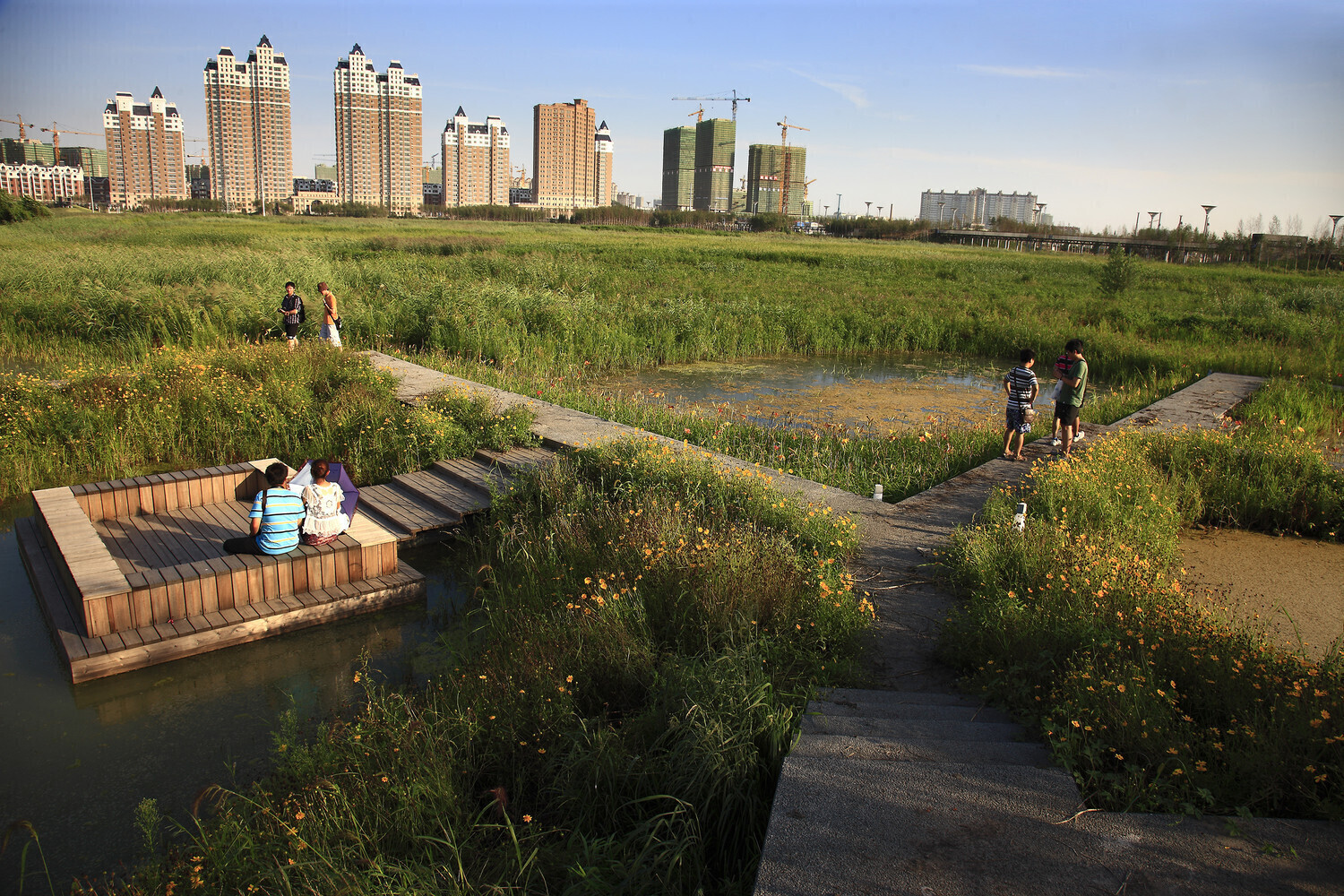
 Qunli Stormwater Wetland Park by Turenscape. Image © Turenscape
Share
Or
https://www.archdaily.com/1036574/farewell-to-masters-remembering-the-architects-we-lost-in-2025
Every year brings new ideas, projects, and shifts in architectural culture, but it also marks the loss of voices that have shaped the discipline across decades. Architecture moves forward, but it also advances through absence. When figures who helped articulate its language and its ambitions disappear, they leave behind more than completed works or influential texts. Their absence becomes a threshold, a moment in which the discipline pauses to understand what remains, what evolves, and what continues to guide us. These moments of loss remind us that architecture is a long, collective construction, carried not only by those shaping the present but also by those whose visions continue to orient how we think about cities and landscapes.
The architects and thinkers we lost in 2025 came from remarkably different worlds, yet the questions that shaped their work often intersected. Some approached the city through identity, symbolism, and historical continuity, seeking to ground the built environment in cultural memory. Others interpreted it through engineering precision, ecological systems, or radical experimentation, expanding what architecture could be and how it could be experienced. Their work spans contexts as diverse as postwar Britain, rapidly urbanizing China, Central European avant-gardes, and the evolving cultural institutions of Berlin and New York. Together, they form a spectrum of responses that defined, and continue to define, architectural culture over the last half-century, revealing the multiplicity of ways in which architecture can engage with society, technology, and the environment.
Remembering them is a way of acknowledging that architecture is shaped by many voices, some still present, others now silent. Their work continues to accompany us, not as distant references but as part of the discipline’s everyday vocabulary. Looking back at their contributions is also a way of looking forward, recognizing that the ideas they leave behind remain active in the questions we continue to ask.
Related Article Celebrating the Lives of Inspiring Architects Who Passed in 2024 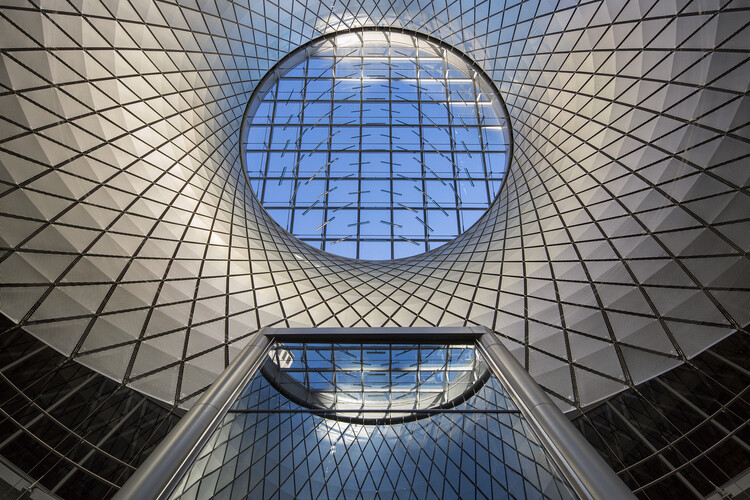 Fulton Center / Grimshaw. Image © James EwinReinventing British Architecture
The architectural history of the United Kingdom in the second half of the 20th century cannot be understood without acknowledging the impact of Terry Farrell and Nicholas Grimshaw, two figures who shaped the built environment while offering very different answers to the same cultural moment.
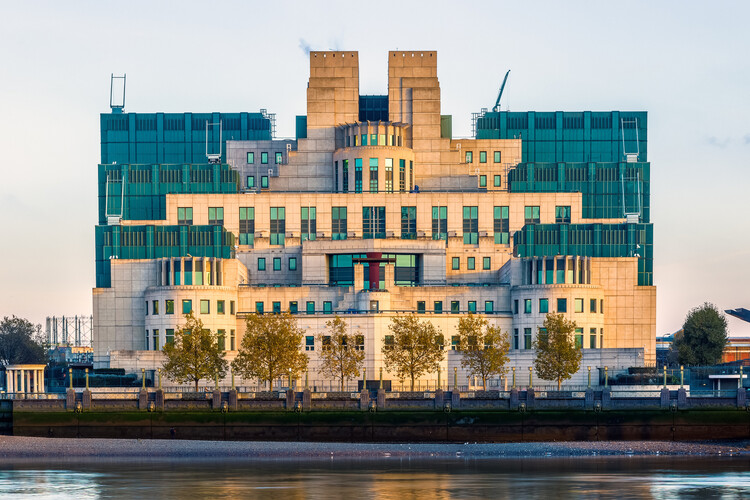 SIS Building, also called the MI6 Building, at Vauxhall Cross. Image © I Wei Huang via Shutterstock
Farrell’s career is closely associated with the emergence of British postmodernism. His buildings explored symbolism, façades as communicative surfaces, and the expressive potential of ornament — a stance visible in projects like the MI6 Building in London or the Comyn Ching Triangle. Farrell saw cities as places where layers of historical references coexist with contemporary needs; his approach was grounded in the belief that architecture engages with cultural narratives and that buildings can act as both functional structures and public statements.
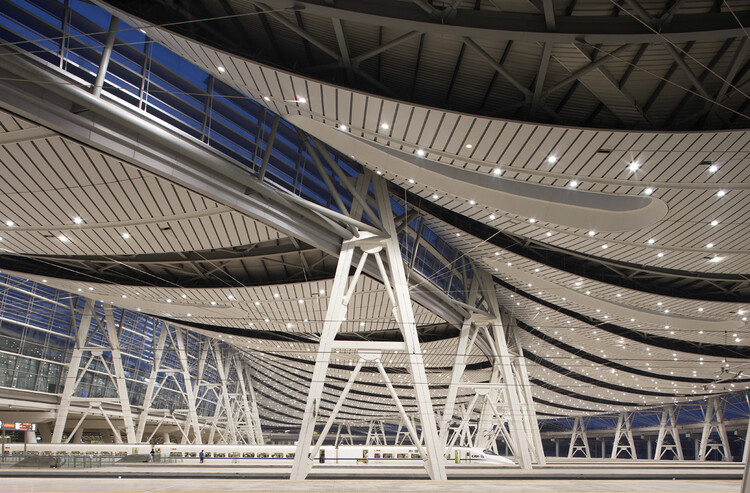 Beijing South Station / TFP Farrells. Image Courtesy of Fu Xing
Grimshaw was one of the leading figures of high-tech architecture. His approach focused on structure, performance, and an interest in exposing the logic of construction. Projects such as the Eden Project in Cornwall or the International Terminal at Waterloo Station exemplify an architecture that reveals its systems rather than concealing them. For Grimshaw, buildings were dynamic frameworks shaped by engineering principles and environmental strategies. His work anticipated many of the contemporary debates around modularity, adaptability, and material efficiency, positioning high-tech as a mode of thinking about architecture’s relationship to technology.
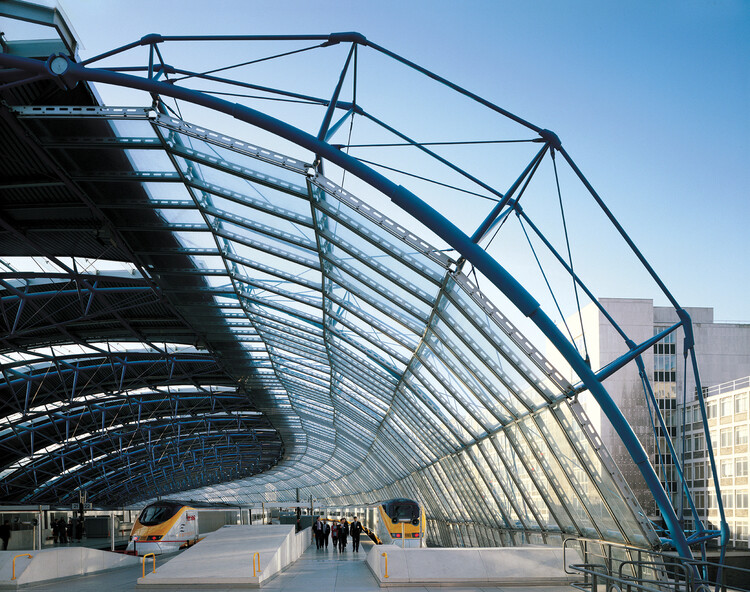 International Terminal at Waterloo Station, Grimshaw. Image © Jo Reid & John Peck
Although their paths diverged, Farrell and Grimshaw shared a commitment to reimagining British architecture during a period of transition. Their work addressed questions of identity, function, and public relevance, offering two distinct models of how architecture can respond to cultural change.
Shaping the City
Some of this year’s losses echoed far beyond the scale of the individual building, extending into the broader terrain of the city and its long-term transformation. Léon Krier and Kongjian Yu approached urbanism from fundamentally different directions: one revisiting the spatial logic of historical settlements to argue for continuity, proportion, and human-scale coherence, while the other advanced ecological infrastructures capable of absorbing climate pressures and repairing degraded landscapes. Seen together, their work forms a dialogue across time, revealing how cities can be shaped either through the recovery of cultural memory or through the reactivation of natural systems. Both share a belief that urban form is not a neutral backdrop but a collective responsibility shaped through care, structure, and long-term vision.
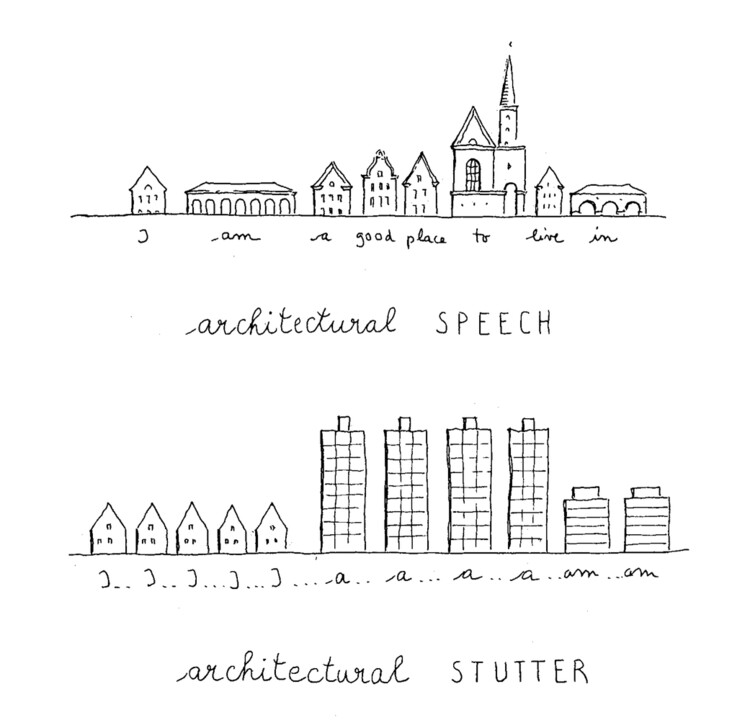 Léon Krier’s Sketches. Image Courtesy of MIT Press
Krier was a central voice in the movement that later became known as New Urbanism. His drawings, essays, and urban proposals advocated for walkable neighborhoods, traditional architectural typologies, and clear hierarchies of public space. Krier argued that the modern city had distanced itself from historical forms of dwelling, and he believed that classical principles could help restore social cohesion and environmental balance. His influence extended far beyond Europe, shaping planning debates in the United States and informing projects such as Poundbury, which was developed in collaboration with Charles III. Whether one agrees with his positions or not, Krier’s role in reshaping urban discourse is undeniable.
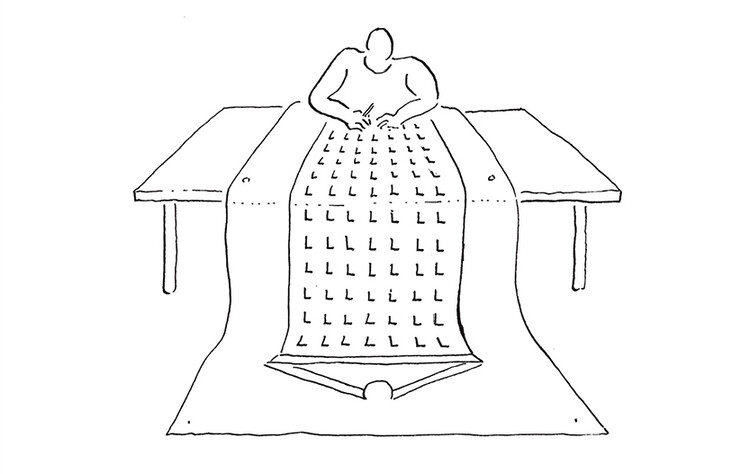 Léon Krier’s Sketches. Image Courtesy of MIT Press
Kongjian Yu offered a radically different vision: the city as a living ecological system. Founder of Turenscape and a key theorist behind the concept of sponge cities, Yu proposed infrastructures capable of absorbing stormwater, mitigating floods, and restoring damaged landscapes. His work emerged from the specific challenges of China’s rapid urbanization, but its relevance quickly expanded globally as cities grappled with climate change. Through riverfront parks, wetlands, and ecological corridors, Yu demonstrated how public space and natural processes can work together, redefining resilience as a spatial strategy. His tragic passing in 2025 interrupted a body of work that fundamentally shifted contemporary thinking about landscape architecture and urban ecology.
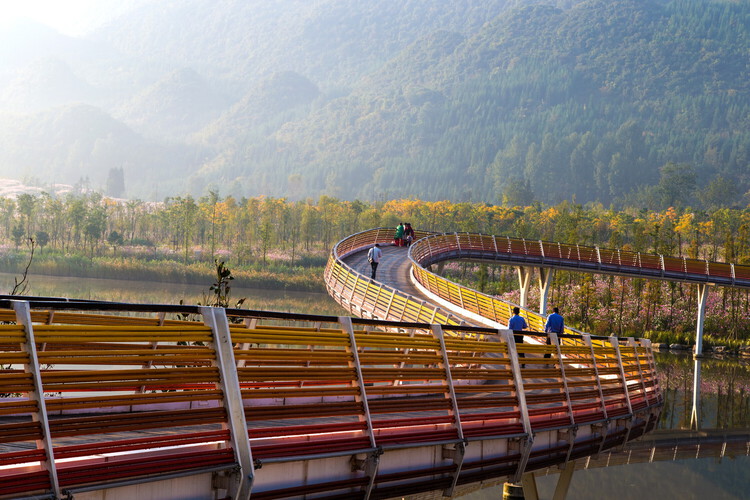 Minghu Wetland Park . Image © TurenscapeExperimentation and the Expanded Field
While figures such as Farrell, Grimshaw, Krier, and Yu influenced the large-scale frameworks through which cities grow and adapt, Helmut Swiczinsky, Ricardo Scofidio, and Dennis Crompton pushed architecture into territories where form, technology, and narrative intersect. Their practices embraced experimentation as a method, treating architecture not only as a built object but as a platform for critical inquiry, sensory experience, and speculative thinking.
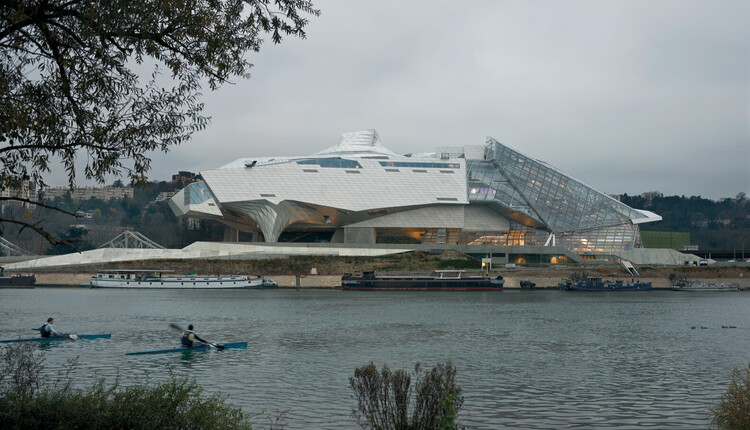 Musée des Confluences / Coop Himmelb(l)au. Image © Duccio Malagamba
Swiczinsky, co-founder of Coop Himmelb(l)au with Wolf D. Prix, was instrumental in developing an architectural language associated with deconstructivism. Their projects embraced fragmentation, dynamic geometries, and structures that appeared to be in motion. The firm’s early rooftop extension in Vienna and later works such as the BMW Welt in Munich captured an architectural methodology that questioned stability, hierarchy, and traditional notions of form. Swiczinsky saw architecture as an environment shaped by tension, energy, and the unpredictability of contemporary life.
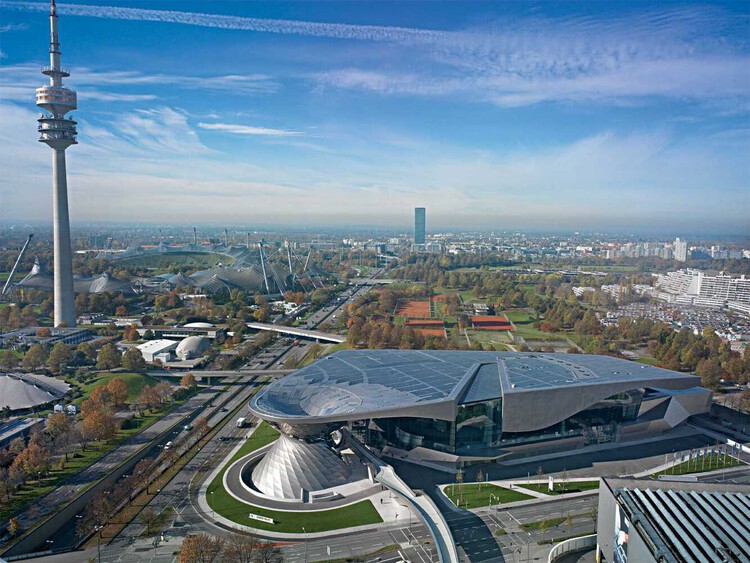 BMW Welt / Coop Himmelb(l)au. Image via BMW
Ricardo Scofidio played a key role in transforming architecture into a multidisciplinary practice. Before Diller Scofidio + Renfro became known for large-scale cultural and urban projects, the studio was deeply engaged with performance, installation, and the politics of public space. Works like the Blur Building and the early conceptual installations interrogated how technology mediates perception and how bodies move through space. Scofidio’s practice highlighted the porous boundaries between architecture and other fields, challenging the assumption that architecture is defined solely by buildings.
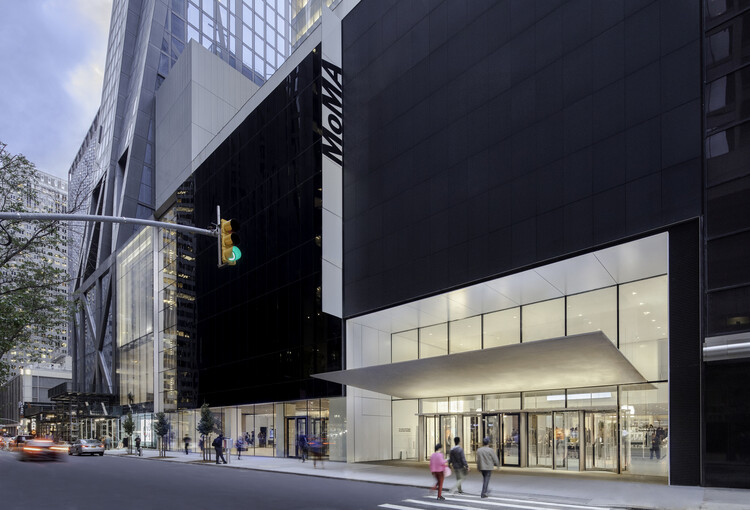 Museum of Modern Art Renovation / Diller Scofidio + Renfro. Image © Brett Beyer
Dennis Crompton, one of the founding members of Archigram, represented another form of architectural experimentation. Archigram’s drawings, publications, and speculative projects offered a vision of cities shaped by mobility, prefabrication, and technological imagination. Crompton’s role as the group’s archivist and documentarian ensured that this legacy remained accessible and coherent, allowing later generations to engage with Archigram’s ideas long after the movement had dissolved. His work reminds us that innovation is not only about the production of new forms but also about the preservation and transmission of knowledge.
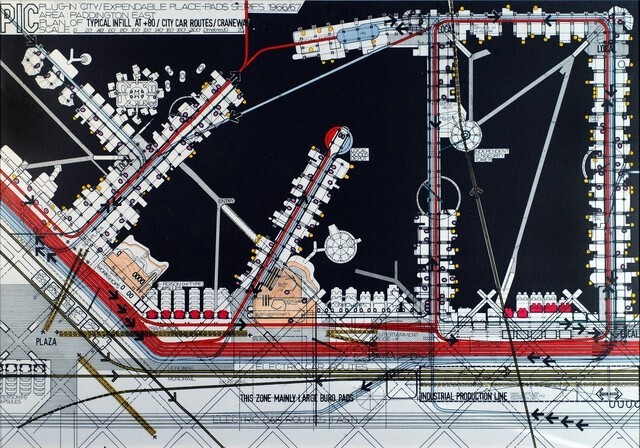 © Archigram ArchivesCultural Infrastructures
Architecture is not shaped solely through drawings or construction sites; it is also built through the conversations, exhibitions, and cultural frameworks that allow ideas to circulate. Few figures embodied this dimension of the discipline as clearly as Kristin Feireiss, co-founder of the Aedes Architecture Forum. Her work demonstrated that architectural culture depends as much on the spaces where debates unfold as on the buildings themselves.
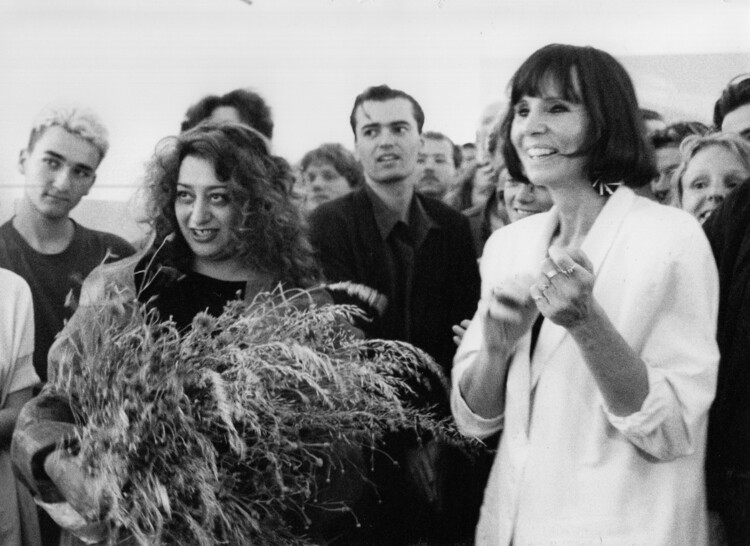 1992 Zaha Hadid, Patrik Schumacher and Kristin Feireiss. Image © Regina Schubert
Since the 1980s, Aedes has functioned as one of the most influential platforms dedicated to architecture, presenting early or defining exhibitions for practices that would later become part of the global architectural vocabulary. Feireiss’s legacy underscores the importance of institutions that cultivate discourse. Her work shows that curatorial practice is not a peripheral activity but a central mechanism through which architecture interprets itself, negotiates its values, and expands its field of influence. Under her direction, Aedes became a place where architects, researchers, and the public encountered each other, creating dialogues that reached well beyond Berlin’s cultural scene. In remembering her, we are reminded that architectural culture advances through many forms of authorship, and that the spaces devoted to presenting ideas can be as transformative as the ideas themselves.
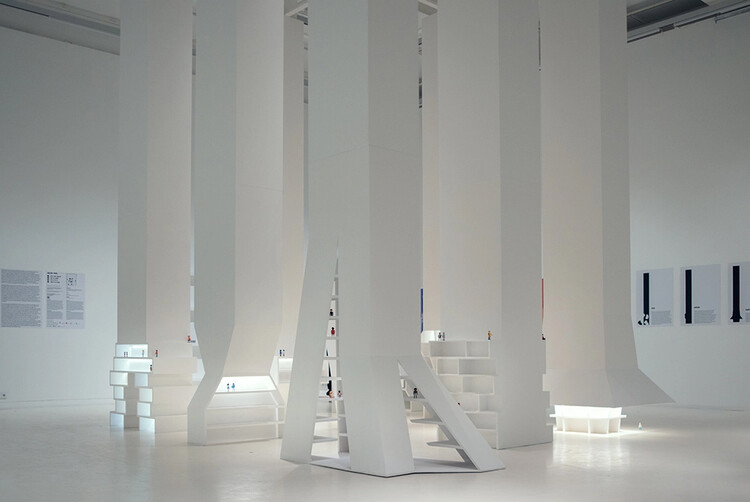 Shape Tomorrow, exhibition at AEDES Architecture Forum in Berlin. Image © Marco van OelArchitecture as Civic Responsibility
The year 2025 saw the loss of several masters, including Robert A.M. Stern, an architect who successfully merged professional practice, scholarly work, and academic leadership. Stern’s design philosophy engaged with architectural history, employing traditional forms and urban frameworks to embed his buildings within enduring cultural narratives. Beyond his significant body of built work, his deanship at the Yale School of Architecture underscored the importance of continuity, rigorous pedagogy, and a profound respect for the city’s inherited structures. His legacy is a powerful reminder that civic architecture is nurtured by institutions that cultivate knowledge, educate future designers, and sustain critical, long-term discussions about the built environment.
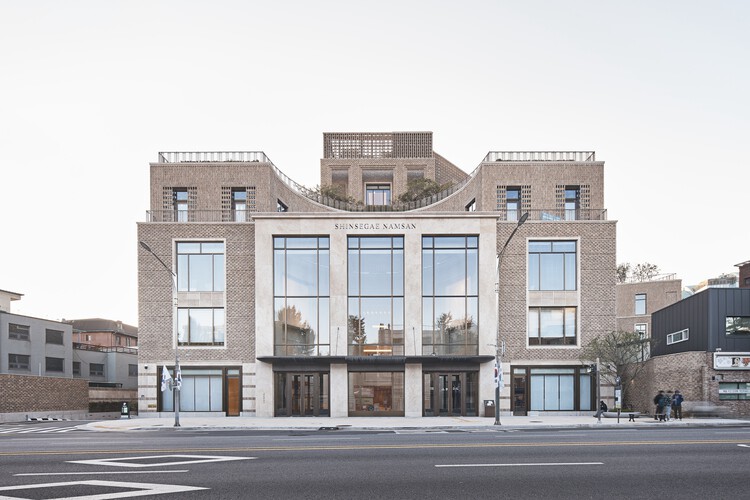 Shinsegae Namsan Commercial & Offices / Robert A.M. Stern Architects. Image © Namsun Lee
Closing this retrospective is David M. Childs, whose work occupies a unique position at the intersection of architecture, public space, and civic identity. Over his decades at SOM, Childs helped shape New York’s urban landscape through projects that addressed infrastructure, accessibility, and the symbolic demands of a global metropolis. His most widely recognized project, One World Trade Center, conceived in the aftermath of profound collective loss, became a negotiation between memory, security, and the public realm. The project synthesizes complex engineering requirements with the need to re-establish a civic landmark capable of supporting daily life while acknowledging the site’s history. In doing so, Childs demonstrated how large-scale architecture can hold multiple forms of significance (functional, symbolic, and social). Remembering him is to recognize how architecture can express civic aspirations through spaces that serve, gather, and orient the communities that inhabit them.
 One World Trade Center / SOM. Image © James Ewing
Together, Stern and Childs illustrate how large-scale architecture can hold multiple forms of significance. Remembering them is to recognize how architecture can express civic aspirations not only through buildings that serve and gather communities, but also through the institutions that shape how the discipline understands its civic role.
Form and Reinvention
The passing of Frank Gehry marked the loss of one of the most influential figures in late-20th and early-21st-century architecture. Few architects altered the discipline’s visual and cultural vocabulary as profoundly. Gehry’s work treated form as an open question, using material, structure, and movement to challenge established expectations of what a building could be. From early experiments with inexpensive materials in his Santa Monica house to the sculptural complexity of the Guggenheim Bilbao, his projects expanded the possibilities of architectural expression while remaining deeply engaged with the experience of the city.
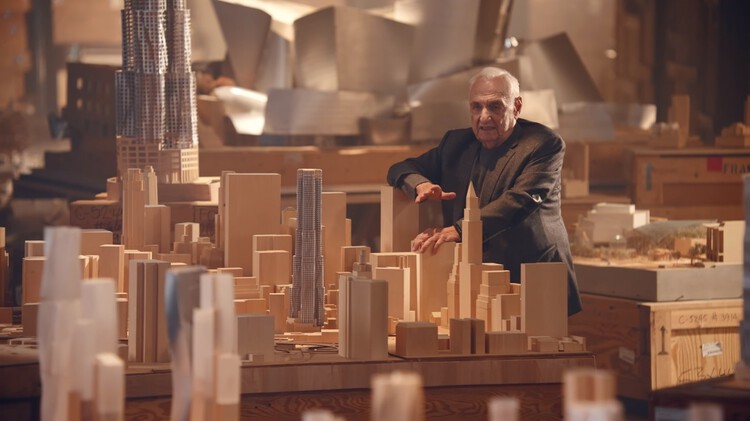 Courtesy of Masterclass
Gehry’s influence extended far beyond individual buildings. The so-called “Bilbao Effect“, often oversimplified, opened debates on cultural infrastructure, urban regeneration, and the political weight of landmark architecture. His practice continually tested the limits of technology, working with digital modelling and fabrication techniques long before they became standard tools. Remembering Gehry is to recognize how a single practice can shift the trajectory of architectural culture. His projects remain part of the discipline’s shared vocabulary, reminders that experimentation can coexist with civic impact, and that architecture’s expressive potential is inseparable from its capacity to engage the public imagination.
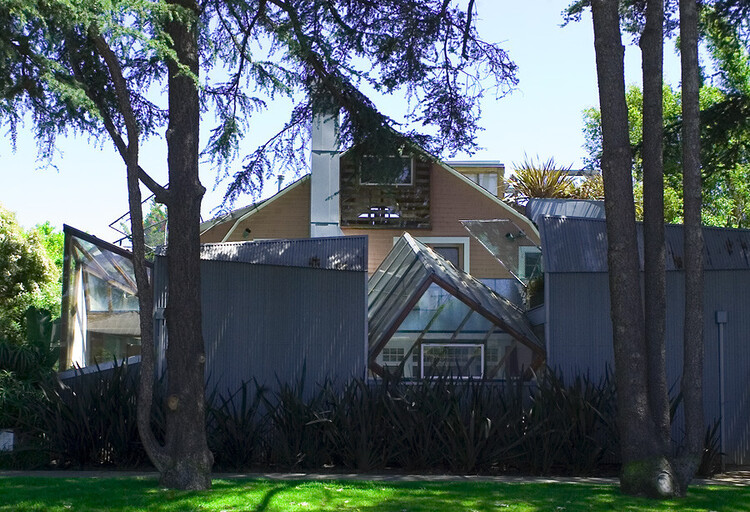 Gehry Residence / Gehry Partners. Image © Liao Yusheng
This article is part of the ArchDaily Topic: Year in Review, proudly presented by GIRA.
GIRA sets the standard where architectural design meets intelligence. From the defining moments of 2025 to the innovations shaping 2026, we create smart solutions that elevate living and working environments with timeless aesthetics. Join us in shaping the future of architecture and interior design — where vision becomes reality.
Every month, we explore a topic in-depth through articles, interviews, news, and architecture projects. We invite you to learn more about our ArchDaily Topics. And, as always, at ArchDaily we welcome the contributions of our readers; if you want to submit an article or project, contact us.