

For centuries, mariners have traded stories of unlikely alliances, tales of porpoises riding the bow waves of passing ships or whales lingering in the wakes of fishing boats.
Canadian scientists have now added a new partnership to that lore: the first documented case of orcas and dolphins teaming up.
The findings suggest a highly strategic relationship. Dolphins excel at locating very large Chinook salmon in deep water, but these fish are too big for them to capture and swallow whole.
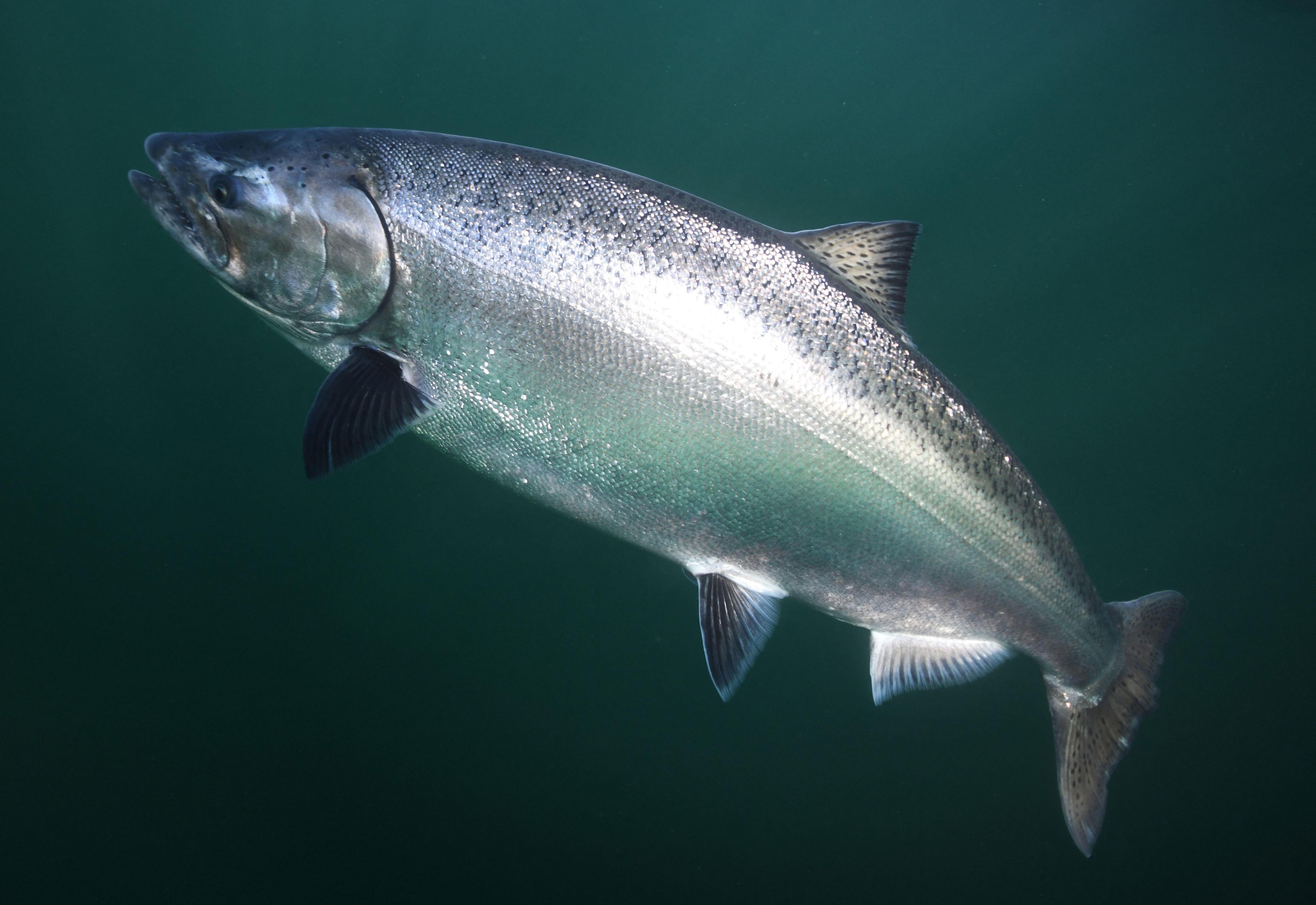
A chinook salmon, also known as a king salmon
ALAMY
Orcas can effortlessly shred the fish into pieces but they are less adept at finding them. It makes sense, then, that the two species have decided to collaborate: the dolphins spot the salmon, before the orcas chop them up.
“The strategic alliance we observed between the dolphins and killer whales is extraordinary,” said Professor Andrew Trites of the University of British Columbia in Canada, the senior author of a study published in the journal Scientific Reports.
“By working together, killer whales can conserve energy and use the dolphins as radar-equipped scouts to increase their chances of finding large Chinook salmon at deeper depths. In return, the dolphins gain predator protection and access to scraps from one of the ocean’s most prized fish. It’s a win-win for everyone involved.”
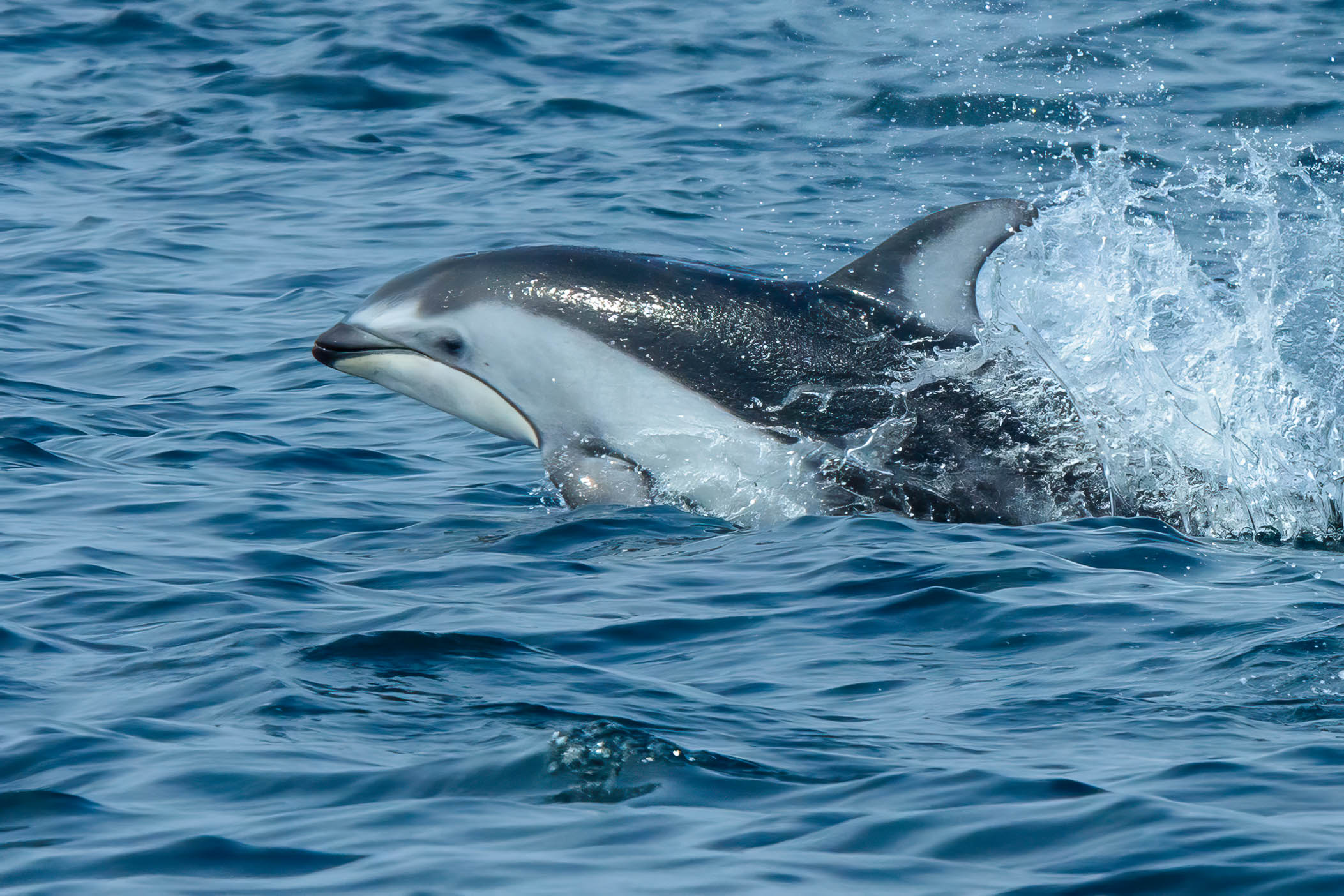
Dolphins were tailed by killer whales in the hunt for salmon
UNIVERSITY OF BRITISH COLUMBIA/A.TRITES; DALHOUSIE UNIVERSITY/S. FORTUNE; HAKAI INSTITUTE/K. HOLMES; LEIBNIZ INSTITUTE FOR ZOO AND WILDLIFE RESEARCH/X. CHENG
Using drones and miniature cameras temporarily attached to the orcas, Trites and his colleagues captured footage of the creatures working with Pacific white-sided dolphins. The footage, collected in the waters off northern Vancouver Island, shows orcas trailing dolphins and adjusting their path and depth to match the smaller creatures.
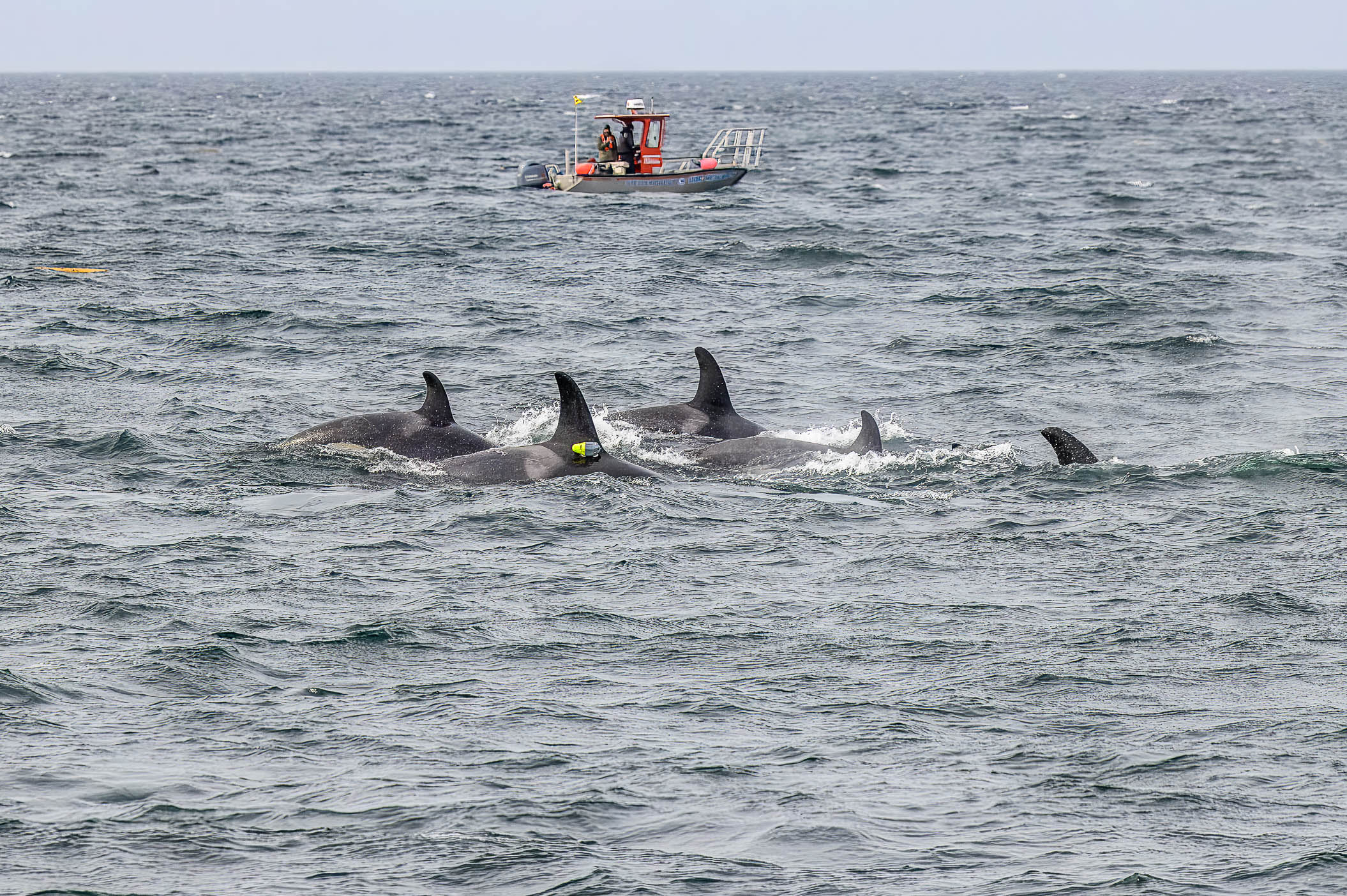
The researchers used miniature cameras attached to the orcas
UNIVERSITY OF BRITISH COLUMBIA/A.TRITES; DALHOUSIE UNIVERSITY/S. FORTUNE; HAKAI INSTITUTE/K. HOLMES; LEIBNIZ INSTITUTE FOR ZOO AND WILDLIFE RESEARCH/X. CHENG
The dolphins contribute their superior sonar abilities, emitting rapid trains of clicks that allow them to pinpoint prey with astonishing precision. While this happens, the orcas appear to scale back their own echolocation, relying on the dolphins to locate large salmon. Once detected, the orcas move in to catch and shred the fish, tearing the prey into shareable pieces that the dolphins are able to eat.
Keith Holmes, a drone pilot with the Hakai Institute, a Canadian research organisation that studies coastal ecosystems, first spotted the behaviour by chance during fieldwork for another project.
“From above you could see this incredible amount of activity. It was clear that there was some sort of communication happening and they were actively foraging together,” he said.
Reciprocity among marine mammals of different species is rare. Mixed-species hunting involving seals and dolphins has been seen before but cooperation between two cetaceans as different in size as orcas and dolphins is unprecedented. Notably, there were no signs of aggression — no lunges, tail slaps or rapid retreats.
In total, the researchers recorded 258 unique events of dolphins travelling near the head of tagged killer whales. All the whales seen interacting with dolphins engaged in foraging-related behaviours such as killing, eating and searching for salmon.
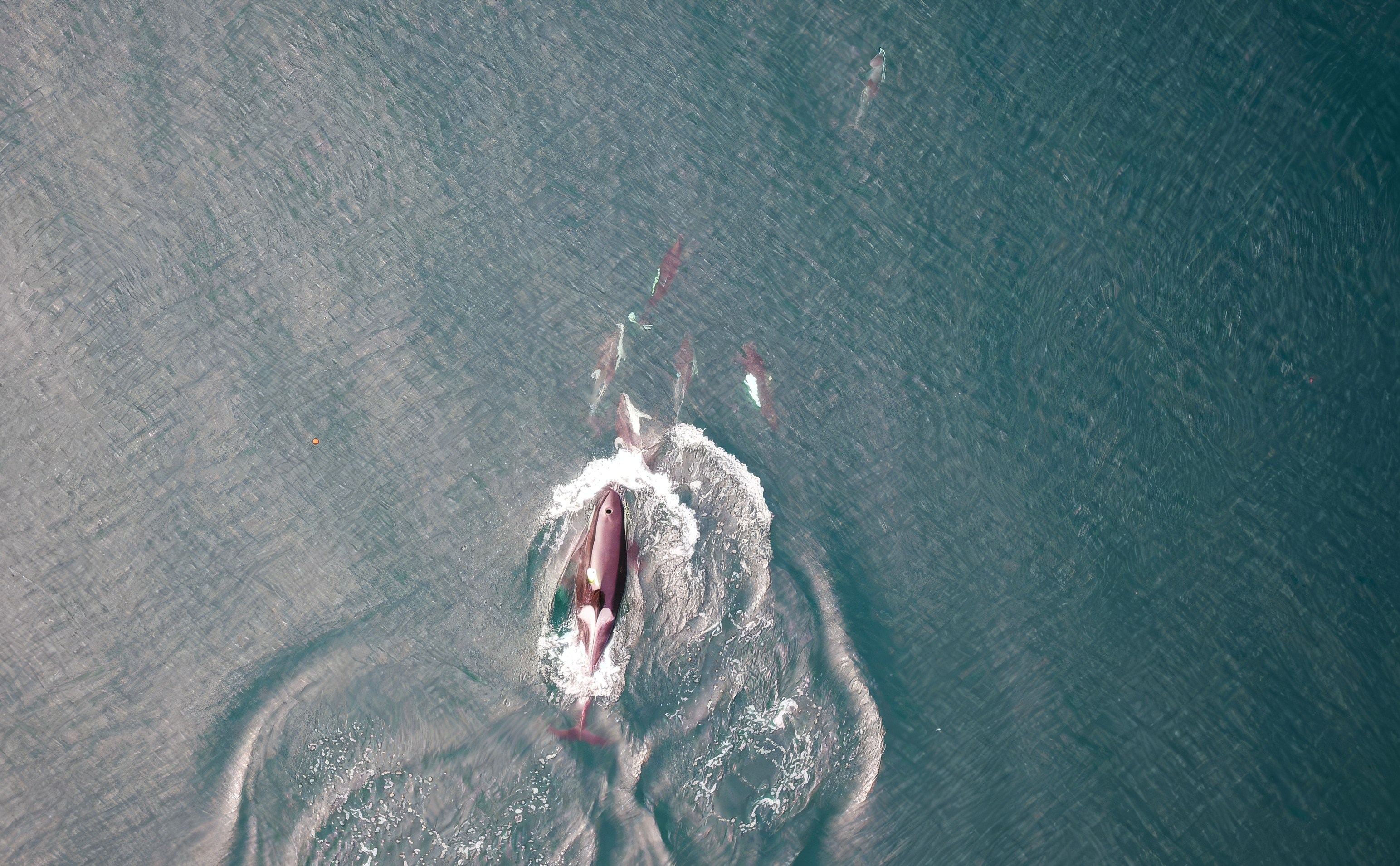
A killer whale interacts with dolphins and porpoises on the ocean’s surface between foraging dives
UNIVERSITY OF BRITISH COLUMBIA/A.TRITES; DALHOUSIE UNIVERSITY/S. FORTUNE; HAKAI INSTITUTE/K. HOLMES; LEIBNIZ INSTITUTE FOR ZOO AND WILDLIFE RESEARCH/X. CHENG
Dr Sarah Fortune of Dalhousie University, who led the research, said: “We’ve long known that resident killer whales interact with Pacific white-sided dolphins, but seeing them dive and hunt in sync with dolphins completely changes our understanding of what those encounters mean.
“Our footage shows that killer whales and dolphins may actually be co-operating to find and share prey, something never before documented in this population.”