
Every year, there’s one comparison that silently means more than all the rest. Not because it’s flashy, but because it changes how people really shoot images for the next few years.
That comparison is usually Pixel vs. Ultra.
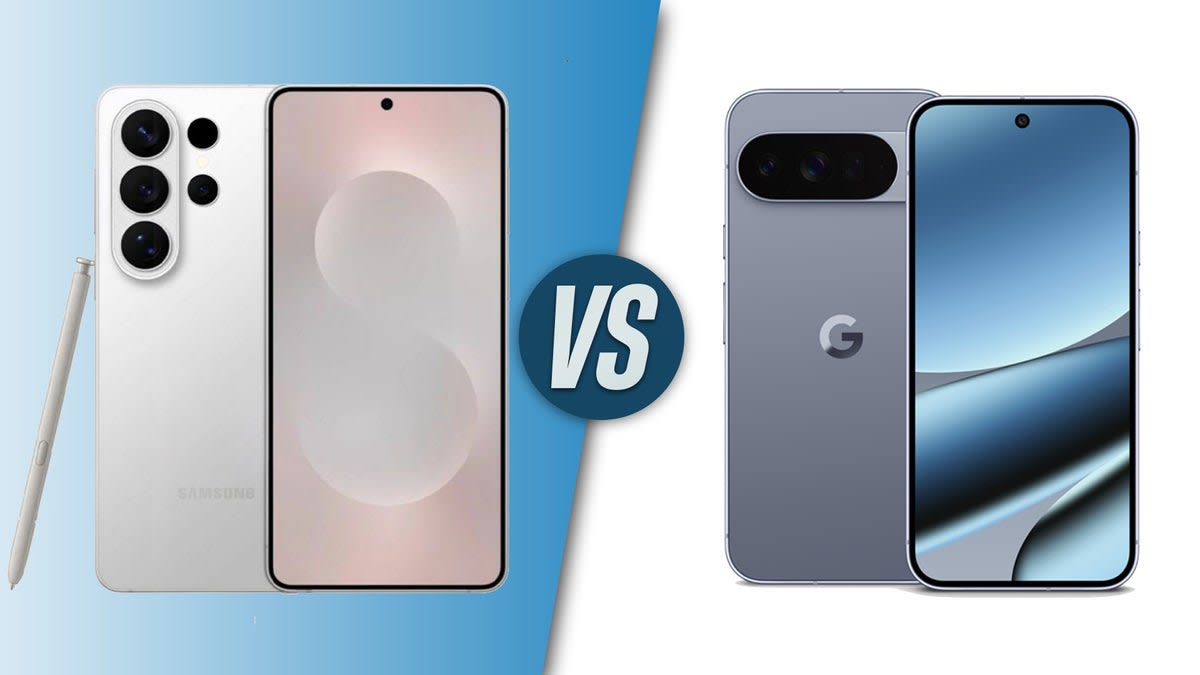
With early details starting to surface surrounding the Google Pixel 11 and the Samsung Galaxy S26 Ultra, it’s clearly evident that these two phones aren’t trying to beat each other in the same way. They’re chasing the same goal—better images—but they’re taking completely different roads to get there.
And depending on how you use your camera, one of those paths may suit you significantly better than the other.
How Google and Samsung Think About Photography
Samsung builds cameras like tools.
Google creates cameras like intuition.
That divide has persisted for years, and in 2026, it feels more stark than ever.
Samsung’s Ultra phones are meant to provide you options. Multiple lenses, tremendous zoom, high-resolution sensors, and a sensation that whatever situation you’re in, the hardware can handle it.
Pixel phones, on the other hand, are built on decision-making. Google wants the phone to grasp the scene before you do and discreetly make the proper choices on your behalf.
Neither strategy is better by default—but they feel extremely different in daily use.
Main Camera: What You See vs What You Feel
When you snap a shot with a Pixel, the goal is simple: the image should resemble the way your eyes remember the moment. nor brighter, nor punchier—just right.
Early Pixel 11 leaks show Google is moving much harder in this manner. Better low-light handling, smoother dynamic range, and clearer motion capture all point toward photos that feel natural, even in poor conditions.
Samsung’s S26 Ultra takes a different approach. It wants to capture everything. Detail, texture, light information—as much data as possible in every photo. That’s why Ultra images frequently look exceptionally sharp and versatile, especially if you prefer cropping or tweaking later.
In short:
Pixel promotes reality.
Samsung prioritizes information.
Some folks adore that extra detail. Others prefer photographs that don’t need touching up at all.
Ultra-Wide Shots: The Subtle Difference You Actually Notice
Ultra-wide cameras don’t garner much notice until they mess up. Warped faces, soft edges, odd hues—that’s when people notice.
Google has been gradually improving consistency here, and the Pixel 11 appears ready to continue that trend. The aim seems to be balance: keeping colors, contrast, and exposure similar to the main camera so photographs feel coherent.
Samsung’s ultra-wide camera is impressive but occasionally a little pushy. With the S26 Ultra, leaks show Samsung is tuning things in—better edge correction, improved low-light clarity, and fewer distortions.
In real life, the Pixel may feel more “trustworthy” for rapid group photographs, while Samsung still shines when conditions are favorable and you want maximum quality.
Zoom: Hardware Muscle vs Smart Restraint
This is where Samsung still flexes.
The Galaxy S26 Ultra’s periscope zoom maintains its hallmark feature. It’s the phone you reach for when the subject is far away—buildings, wildlife, stage shots, or moments you simply can’t get closer to.
Pixel 11 isn’t attempting to win that fight.
Instead, Google seems focused on useful zoom—the kind users actually rely on day to day. The goal isn’t tremendous distance, but clean, credible outcomes at intermediate zoom settings, supported by AI rather than lengthy optical systems.
Samsung wins on range.
Pixel wins on simplicity.
The Real Difference: How Much Work You Want to Do
Here’s the part specs never explain.
With a Pixel, you rarely think about settings. You point, you shoot, and you trust the phone to figure it out. That’s why Pixel images typically feel effortless—even when the lighting is lousy or the subject is moving.
With a Samsung Ultra, you feel like you’re holding a camera. There are more modes, more tools, and greater versatility. If you prefer controlling the shot, tweaking things, or experimenting, the Ultra feels empowering.
Neither is wrong. They just fit different personalities.
Video: Confidence vs. Control
Samsung still tops when it comes to video flexibility. The S26 Ultra is supposed to refine stabilization, boost low-light video, and provide producers greater control over how they shoot.
Pixel 11 appears to focus on making video reliable. Stable footage, crisp audio, and fewer occasions where the camera struggles. It may not offer as many creative capabilities, but it attempts to deliver consistent outcomes without effort.
Again, it’s the same story:
Samsung gives you options.
Google offers you confidence.
So… which camera actually wins?
The honest answer is: none wins universally.
If you want a phone that feels like a strong camera in your pocket, the Samsung Galaxy S26 Ultra is still hard to beat. It’s adaptable, capable, and made for those who seek control and flexibility.
If you want a phone that silently provides amazing images every single time, without thinking about settings, the Pixel 11 may feel more fulfilling—especially for everyday life.
This isn’t a fight of specs.
It’s a war of philosophy.
And in 2026, that means more than megapixels ever did.