
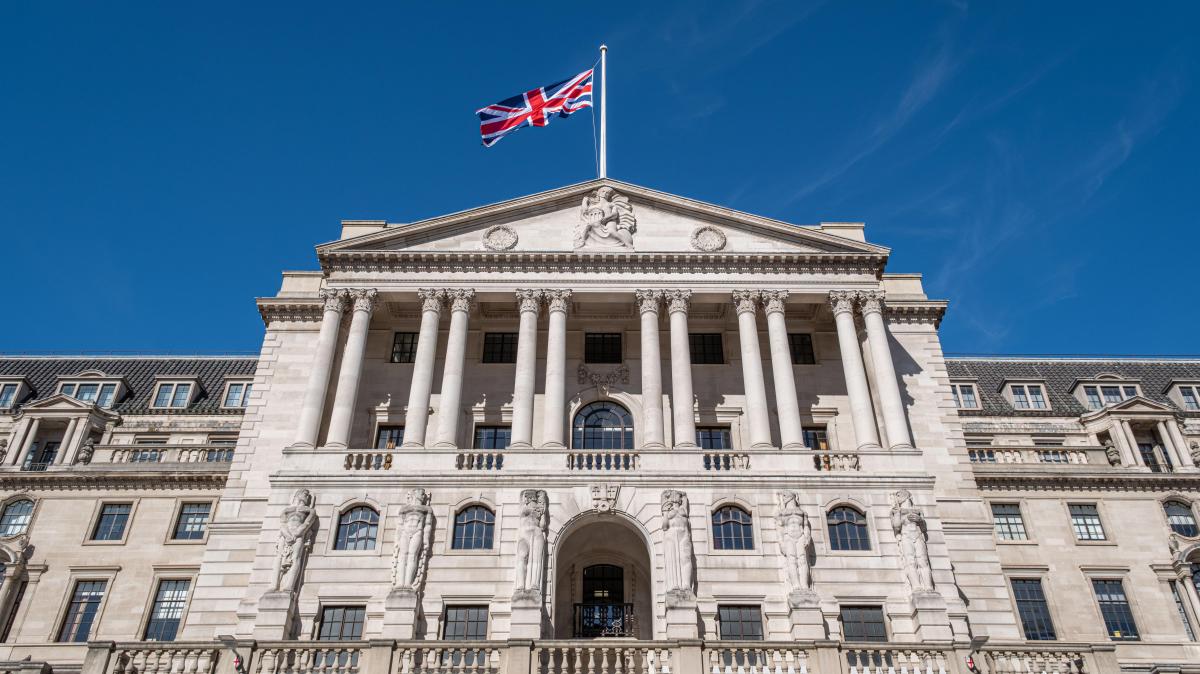
This was meant to be the year when steadily falling interest rates would finally help support the UK’s faltering economy after years of sticky inflation.
At the end of last year, the Bank of England kept its base rate unchanged at 4.75 per cent and its forecasts showed inflation on a steady glide path towards its 2 per cent target over the next 12 months, justifying hopes for the first year of supportive monetary policy since 2021. Economists broadly agreed. A majority of those polled in The Times’s annual economists’ survey said they expected at least four interest rate cuts in 2025 — marking the biggest year of monetary stimulus since the depths of the financial crisis in 2008.
In the end, the UK’s year of mega interest rate cuts did not transpire. The Bank’s monetary policy committee will meet this week for its latest decision and has cut interest rates three times this year, up on the two in 2024. The base rate stands at 4 per cent before the Bank’s last meeting of the year on Thursday — higher than the 2 per cent in the eurozone, 3.5-3.75 per cent in the US, 2.25 per cent in Canada and the return to a rock-bottom 0 per cent in Switzerland.
For all the hopes of steady and consistent interest rate cuts — which lower borrowing pressures on mortgage holders, investment costs for businesses, and the debt interest bill for the government — 2025 was instead marred by a series of unforeseen and self-inflicted inflationary surprises.
At the end of last year, the Bank was worried that inflation could climb back up to around 2.75 per cent. The reality was a peak of 3.8 per cent in September, which at one point was likely to top 4 per cent. What went wrong?
Why are interest rates still high?
The unexpected price shocks came mainly in the form of rising global food and commodity prices, caused by extreme weather events and poor harvests. In the UK, this resulted in food price inflation breaching 5 per cent in August. In the worst hit categories of beef, butter, chocolate and olive oil, the average rate of inflation topped 15 per cent between the summer of 2024 and 2025.
Rising grocery prices are a problem for central bankers because shoppers are sensitive to the cost of supermarket trips, creating a sense of generalised inflation and a higher cost of living. The UK is more exposed to changes in global food and commodity prices than other countries in Europe due to its reliance on imports and the design of its inflation basket. Food prices, whatever their drivers around the world, matter in the UK.
Another quirk of the UK that drove up inflation this year is the power that regulators in areas like water, sewage and travel have to raise prices through a system of indexation rather than prices being set by the market. This created an inflation “hump” from April, when the cost of many utility bills rose by over 8 per cent, although inflation in market-based services was around 3.5 per cent.

The UK is more exposed to changes in global food and commodity prices than other European countries
PIXELSEFFECT/GETTY IMAGES
The final and most controversial factor contributing to stubborn inflation and keeping interest rates from falling was the government’s decision to raise payroll taxes through national insurance rises on employers and a substantial lifting of the living wage from April 1. In December 2024, the Bank estimated the inflationary impact of the budget would be around 0.5 percentage points through rising wages and some companies passing on their payroll expenses to consumers.
Rate-setters were less certain about how the policies would affect the jobs market. The latest evidence from the Bank’s surveys of business show around 40 per cent of firms said they would cut jobs and more than a third said they would raise prices. This combination of a slowing labour market — which traditionally requires lower interest rates — and the prospect of inflating prices — which require higher interest rates — has led the Bank to take a “gradual and careful” approach to monetary policy for most of the year.
What will happen to interest rates next year?
The tension between sticky prices and a slow economy with weak hiring has divided the nine-strong monetary policy committee all year. They are likely to be at loggerheads again on Thursday, forcing Andrew Bailey, the governor, to make the decisive vote to hold or cut interest rates before the end of the year.
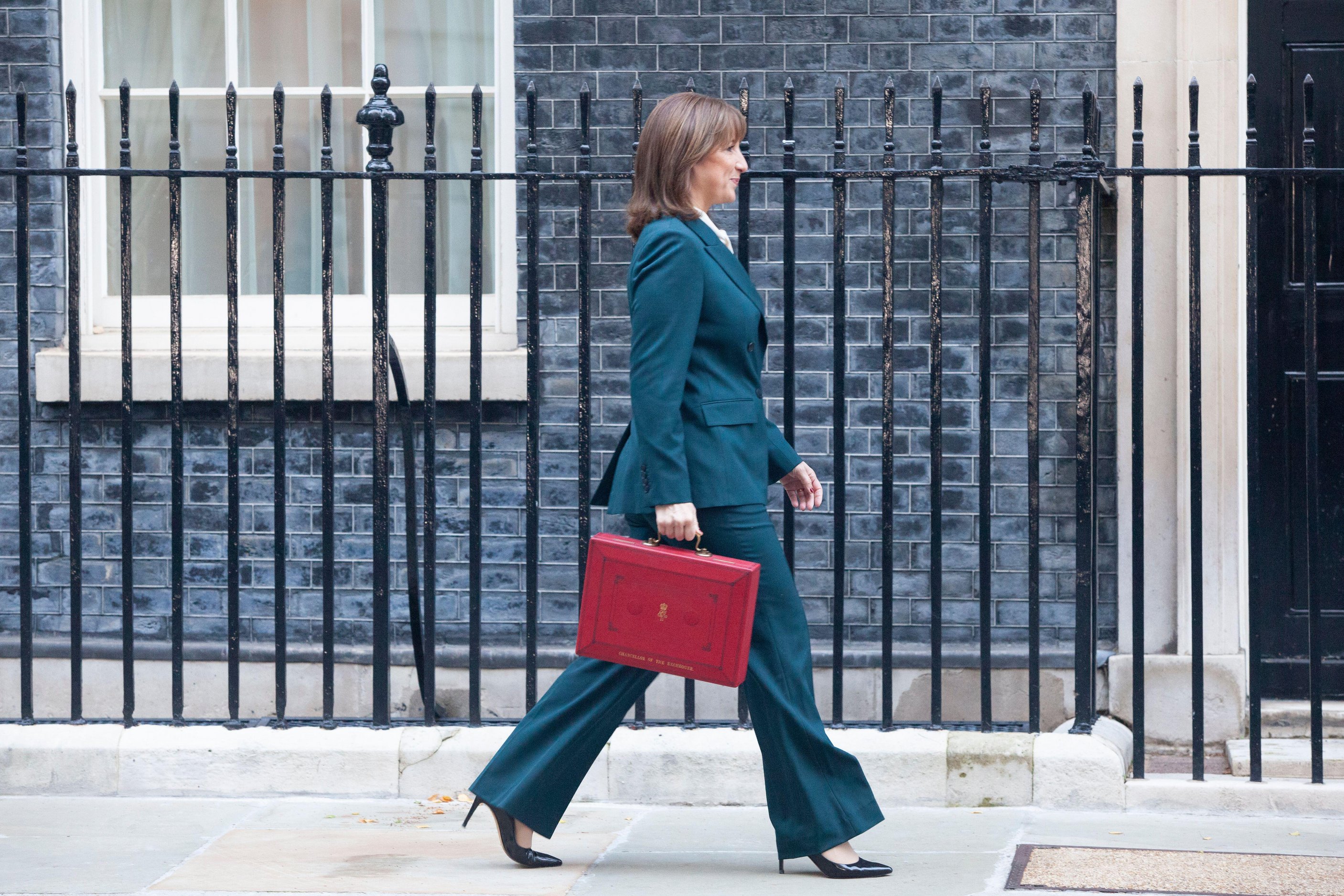
Rachel Reeves has to convince more of the MPC to cut interest rates next year
ALAMY
Jack Meaning, a former Bank official and economist at Barclays, said Bailey would switch his vote to support a narrow interest rate cut to 3.75 per cent.
The other four rate-setters who are worried about prices, including Huw Pill, the Bank’s chief economist, would remain unmoved, Meaning said.
Rachel Reeves has to convince more of the MPC to cut interest rates next year with a series of measures designed to induce disinflation in 2026. The government will cut green levies on energy bills, freeze fuel duty and keep rail fares unchanged — measures that could reduce headline consumer price inflation by 0.4 percentage points next year.
Some economists are not convinced the plans will work. The CBI, a business lobby, said the government’s measures would have a 0.1 per cent effect on inflation, creating the room for just one more interest rate cut in 2026.
Financial markets — who make bets on the path of interest rates — also do not think the Bank will be carrying out significant easing over the next 12 months. They are pricing in two rate reductions at most, leaving the base rate to settle at around 3.25-3.5 per cent. Before 2022, the ten-year average for UK interest rates was 0.5 per cent.
What is going on in the rest of the world?
Investors are not just worried the UK won’t get major monetary easing but are also repricing their expectations for the rest of the world too. December began with a sharp sell-off in government bonds over worries about the return of inflation in the US and Europe, coupled with neuralgic concerns about growing debt piles and fiscal deficits.
Bond prices fall and yields rise in an environment of higher global interest rates. Market interest rates matter for governments who have to service their debts and for mortgage holders, whose loans are derived from market prices.
• Bank’s gilt sales worsen market volatility — even if it won’t admit it
Interest rate expectations have jumped the highest in Australia, South Korea, New Zealand, Canada, and the eurozone. There is even some speculation the European Central Bank may have to pivot back to raising rates in 2026. Investors are braced for a rare interest rate rise in Japan on Friday. That could shake the currency markets after the last tightening in the summer of 2024 caused Japanese stocks to lose 12 per cent in a day.
Worries about the state of the rest of the world economy could help lower the UK’s market borrowing costs substantially, especially if the Bank does more easing than most expect. Davide Oneglia at TS Lombard thinks UK government bonds are “most likely to outperform” other big economies in 2026.
“Gilts have suffered particularly from investors’ angst about UK fiscal policy uncertainty as well as global narratives about excessive indebtedness,” he said. “The budget, for all its shortcomings, including a backloaded tightening, reduces the deficit and as well as perceptions of impending fiscal catastrophe fed by months of policy uncertainty.”