
It says the dip highlights the continued need for flexible gas generation to ensure a secure and reliable electricity supply alongside renewables.
Demand for gas was up 15pc in November as colder temperatures triggered households to increase usage, but demand was down 8pc on the same month last year.
Gas generated 42pc of Ireland’s electricity in November, Gas Networks Ireland said.
That was nine percentage points lower than November 2024, when gas had provided 51pc pf power.
The gas’s contribution to electricity generation peaked at 79pc and did not fall below 16pc at any point during the month.
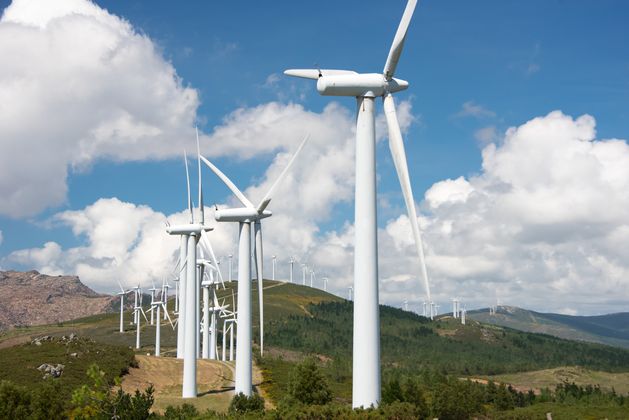
Wind energy generated 35pc of electricity across the month, similar to October and i[ on last year. Solar contributed 1pc.
However. both wind and solar output fell away almost completely at times, Gas Networks said.
Gas Networks Ireland’s Director of Strategy and Regulation Edwina Nyhan, said weather impacts both demand and supply:
“November’s data clearly shows the impact that weather patterns have on both energy use and electricity generation. With a very mild first half of the month giving way to cooler conditions later, household gas demand rose and we also saw strong increases across education, retail and other key sectors. Gas continued to provide vital support for the electricity system throughout the month particularly when renewable energy generation fell to low levels.”
Last month EirGrid, the semi-state company that manages Ireland’s electricity network, said
demand this winter could exceed a record peak recorded during a cold snap last January when swathes of the country were blanketed with snow.
But this year’s risk of the system not being able to meet instantaneous demand at any one time has fallen sharply since winter 2023-2024.
Winter weather has a significant impact on demand. For every 1C decrease in the temperature, there is a corresponding 55MW increase in peak electricity demand, according to EirGrid.
In its winter outlook published for 2025/2026 EirGrid said its median forecast peak demand is 6,044MW for the coming winter. For EirGrid, the winter period follows the winter-summer clock changes.
Weekly peak demand is forecast to exceed that of the previous winter every single week for the coming season.