
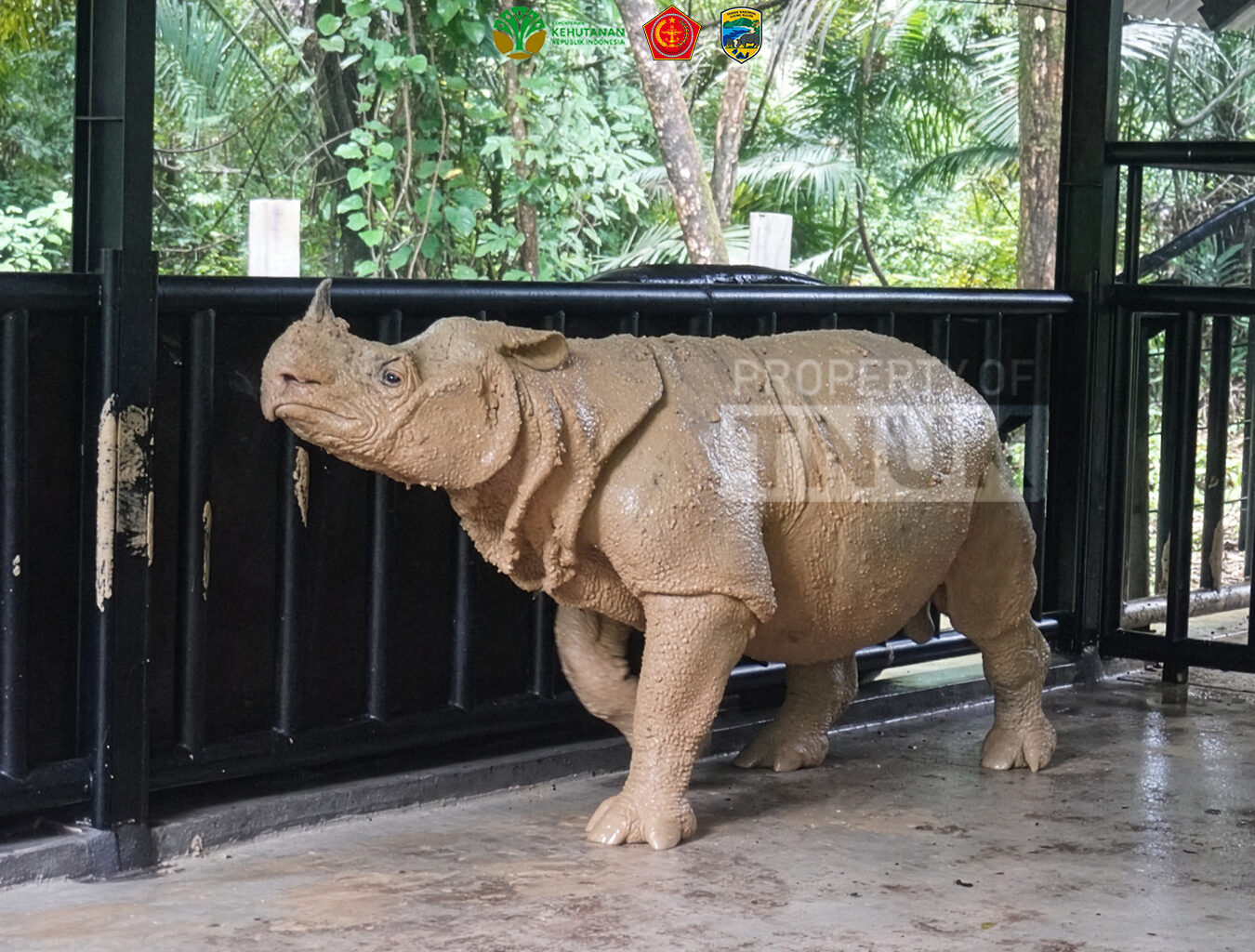
Indonesia’s first effort to translocate a Javan rhino ended in loss when Musofa died days after his move to a protected facility in Ujung Kulon National Park.Officials said a necropsy found long-standing health problems linked to severe parasitic infection, though questions remain about the sudden decline linked to the relocation.Conservationists say the setback should not stop efforts to save the species, which faces serious risks from low numbers and limited genetic diversity.
See All Key Ideas
Conservation officials have announced the death the first Javan rhino ever translocated as part of Indonesia’s conservation program, marking a setback for efforts to protect the critically endangered species.
The Ujung Kulon National Park Authority confirmed on Nov. 27 that the male rhino, named Musofa, died at the Javan Rhino Study and Conservation Area (JRSCA) despite intensive veterinary care. Musofa was captured Nov. 3, after entering a pit trap in the Gardu Buruk area of Ujung Kulon National Park as part of a planned genetic-management initiative.
After weather and safety assessments, he was moved Nov. 5 to the JRSCA using a military transport vehicle in an operation supported by the Indonesian National Armed Forces and conservation partners. He initially arrived in stable condition and showed early signs of adaptation. However, Musofa’s condition deteriorated Nov. 7, prompting emergency treatment by veterinary teams, and he perished later that afternoon.
“All procedures were carried out in accordance with international conservation standards, including simulations, ethical reviews and logistical and security preparedness,” Ardi Andono, head of the park authority, said in a statement.
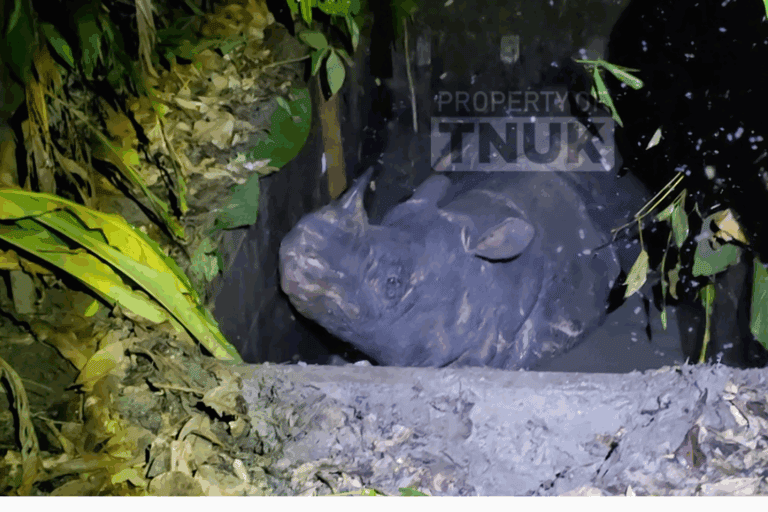 The Javan rhino Musofa in a pit trap on Nov. 3 before translocation. Image courtesy of the Ujung Kulon National Park Authority.
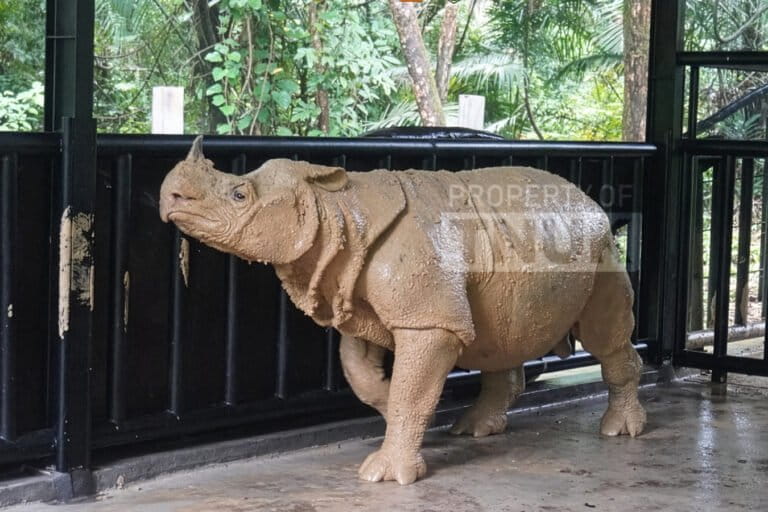 Musofa arrived at the Javan Rhino Study and Conservation Area (JRSCA). Image courtesy of the Ujung Kulon National Park Authority.
A necropsy report dated Nov. 8 found that chronic internal illnesses were the underlying cause of death, with experts at IPB University concluding the rhino had long been weakened by a severe parasitic infection. However, officials did not clarify what might have caused the rhino’s sudden decline after its arrival at the facility, prompting some wildlife experts to question aspects of the translocation and monitoring process.
According to the necropsy report, the rhino succumbed to chronic physical deterioration caused by severe parasitic infestation, which led to hypoproteinemia, brain edema and non-inflammatory fluid buildup in the lungs. The veterinary pathologists found extensive parasite presence in the digestive tract and muscles, significant tissue degeneration linked to malnutrition and age-related organ decline.
John Payne, a veteran rhino conservationist, noted that rhinos can often survive in the wild despite carrying heavy parasite loads or chronic underlying conditions, as long as they remain in familiar environments and face no sudden physical strain. He said capturing and moving such an animal can trigger acute stress, overheatingand dehydration, which may rapidly worsen preexisting weaknesses. In these circumstances, an already compromised rhino may experience a sudden collapse that would not necessarily occur under normal wild conditions.
“Time is of the essence; the quicker the better,” Payne told Mongabay in an interview. “And also, the fewer people that the rhino sees or hears or experiences and smells they’ve never smelled before is very important in reducing stress.”
Despite the unwanted outcome from the first Javan rhino translocation effort, Payne called on Indonesian authorities to continue efforts to bolster the nearly extinct species’ population.
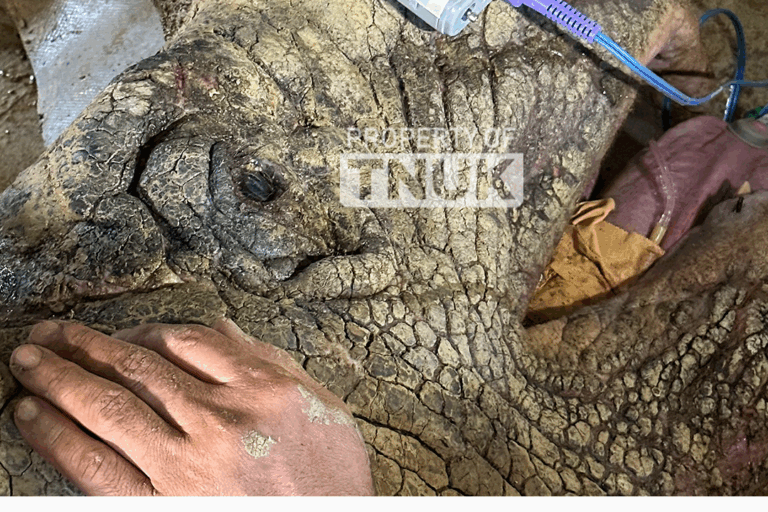 Javan rhino Musofa was pronounced dead Nov. 7. Image courtesy of Ujung Kulon National Park Authority.
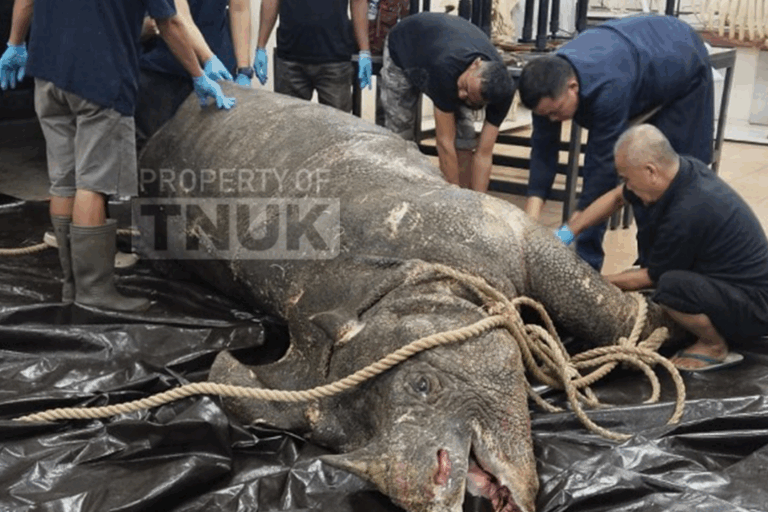 A necropsy of the Javan rhino Musofa by IPB University on Nov. 8. Image courtesy of Ujung Kulon National Park Authority.
The species’ entire global population currently lives in Ujung Kulon, a park that sits in the shadow of Anak Krakatau volcano in an area vulnerable to tsunamis. The park’s population increased steadily for decades, with official numbers reaching about 80 in 2023. However, a wave of poaching brought that number to just 50 by 2025.
The park’s authority head Ardi said the rhino translocation was necessary to protect the species in the long term because the remaining population has very limited genetic diversity. He said conservation efforts may require carefully planned breeding, including modern reproductive techniques and genetic preservation. Research by IPB University shows that all remaining Javan rhinos come from just two genetic lines, one of which has already experienced high levels of inbreeding, increasing the risk of health and survival problems.
While authorities described the loss as a profound blow, they emphasized that the incident will guide improvements in early disease detection, habitat management and population-health monitoring as Indonesia continues efforts to secure the future of Javan rhinos.
Basten Gokkon, senior staff writer for Indonesia at Mongabay, contributed to this reporting. Find him on 𝕏 @bgokkon.
See related:
More alarms over Indonesia rhino poaching after latest trafficking bust
FEEDBACK: Use this form to send a message to the author of this post. If you want to post a public comment, you can do that at the bottom of the page.
