
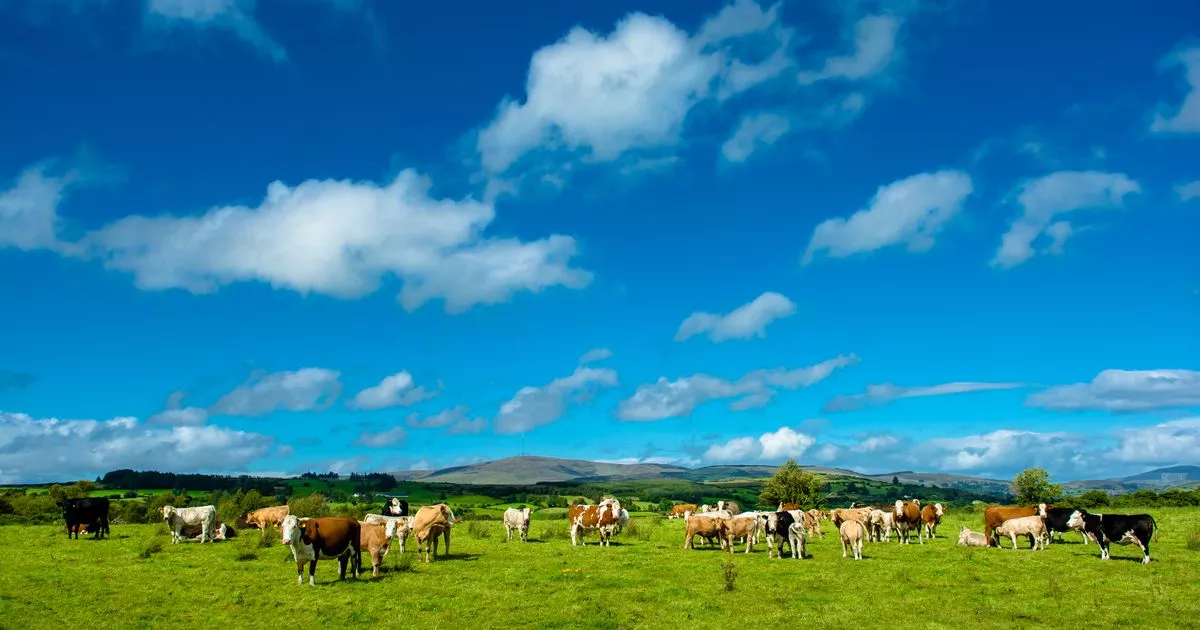
Veterinarians will be able to apply for a license to administer vaccinations against bluetongue in 2026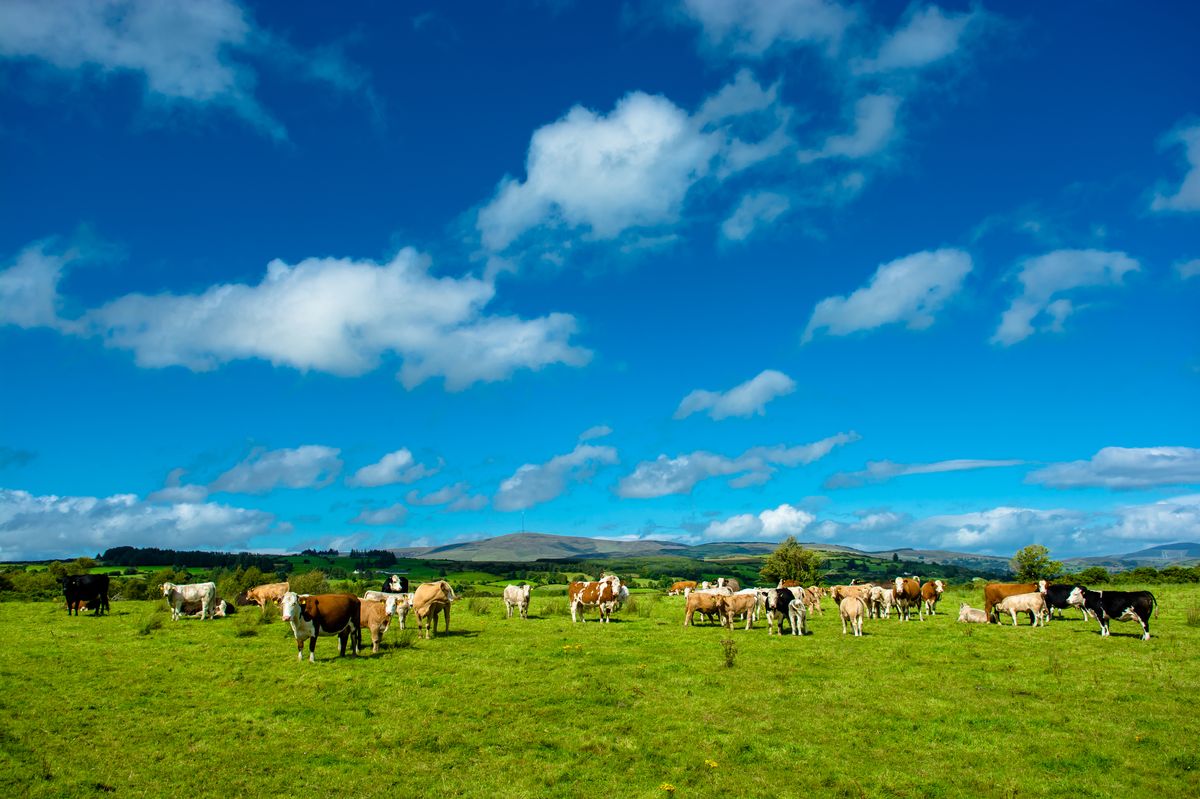 Bluetongue is an animal disease that affects livestock including cattle and sheep, as well as goats, deer and llamas
A bluetongue vaccination will be permitted for use in Ireland from next year, as four outbreaks have been detected in Northern Ireland.
Agriculture Minister Martin Heydon announced today that veterinarians will be able to apply for a license to administer vaccinations against bluetongue serotype 3 (BTV3) in 2026. This decision comes as Minister Heydon said it is “much more likely” that disease will spread in the high risk season of summer 2026 among Irish sheep and cattle.
Bluetongue is an animal disease that affects livestock including cattle and sheep, as well as goats, deer and llamas. Symptoms include a blue and swollen tongue, fever, reduced milk yield and, in the most severe cases, death.
It does not affect humans or food safety and is primarily transmitted through midges. The spread of bluetongue would have a devastating impact on livestock and the rural economy.
Minister Heydon said: “My objective has always been clear: to detect any incursion of BTV3 as early as possible, to respond as effectively as possible, and to reduce any disease impact on Irish cattle and sheep, and thus the consequences for Irish farmers, as far as possible.
“We now know that BTV3 is present on the island, following the four outbreaks detected in Co. Down, Northern Ireland. This changes the risk picture and unfortunately makes it much more likely that the disease will spread during the high-risk season in summer 2026.
“For that reason, I have made the decision to permit the use of vaccination against BTV3 in Irish livestock.” The Agriculture Minister said it’s too cold for cattle and sheep to be bitten by midges and potentially catch the virus.
He added: “The high-risk period will be summer 2026, and farmers can consider whether to use BTV3 vaccines in spring 2026 to protect their stock in advance of any midge-borne virus spread in the warmer months.
“I advise cattle and sheep farmers who are interested in BTV3 vaccination to discuss the option with their veterinary practitioner.”
Subscribe to our newsletter for the latest news from the Irish Mirror direct to your inbox: Sign up here.