
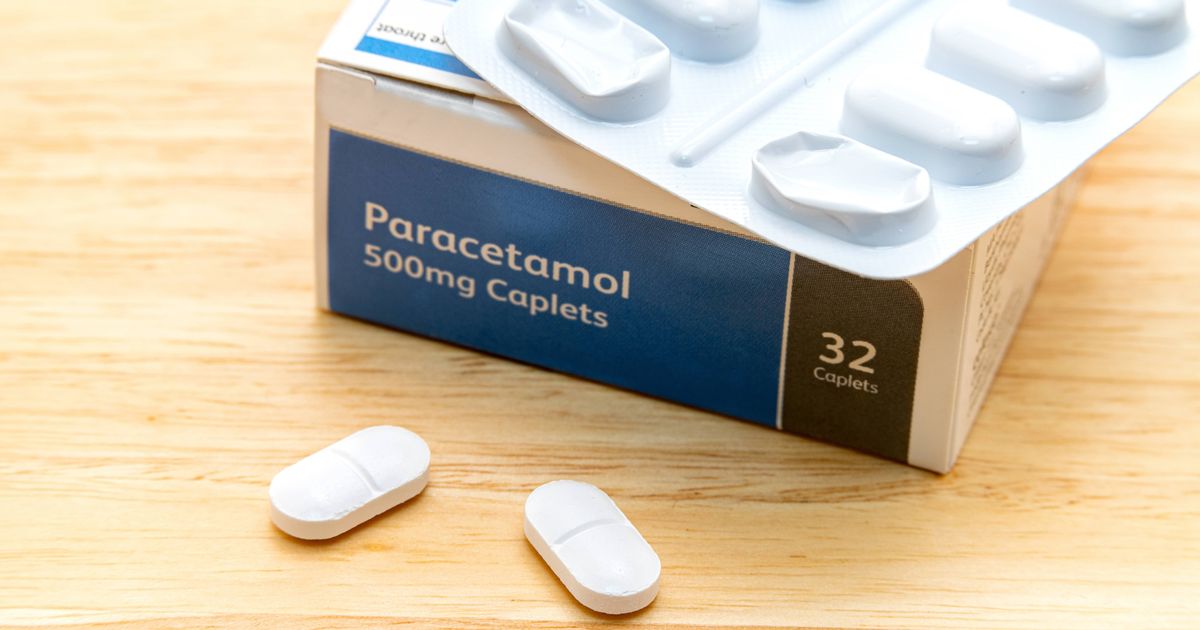
A pharmacist has issued a paracetamol warning as “super flu” cases are continuing to soar across the country. There’s important information you need to know about the medication
Katie-Ann Gupwell Acting Content Editor
13:25, 19 Dec 2025Updated 13:25, 19 Dec 2025
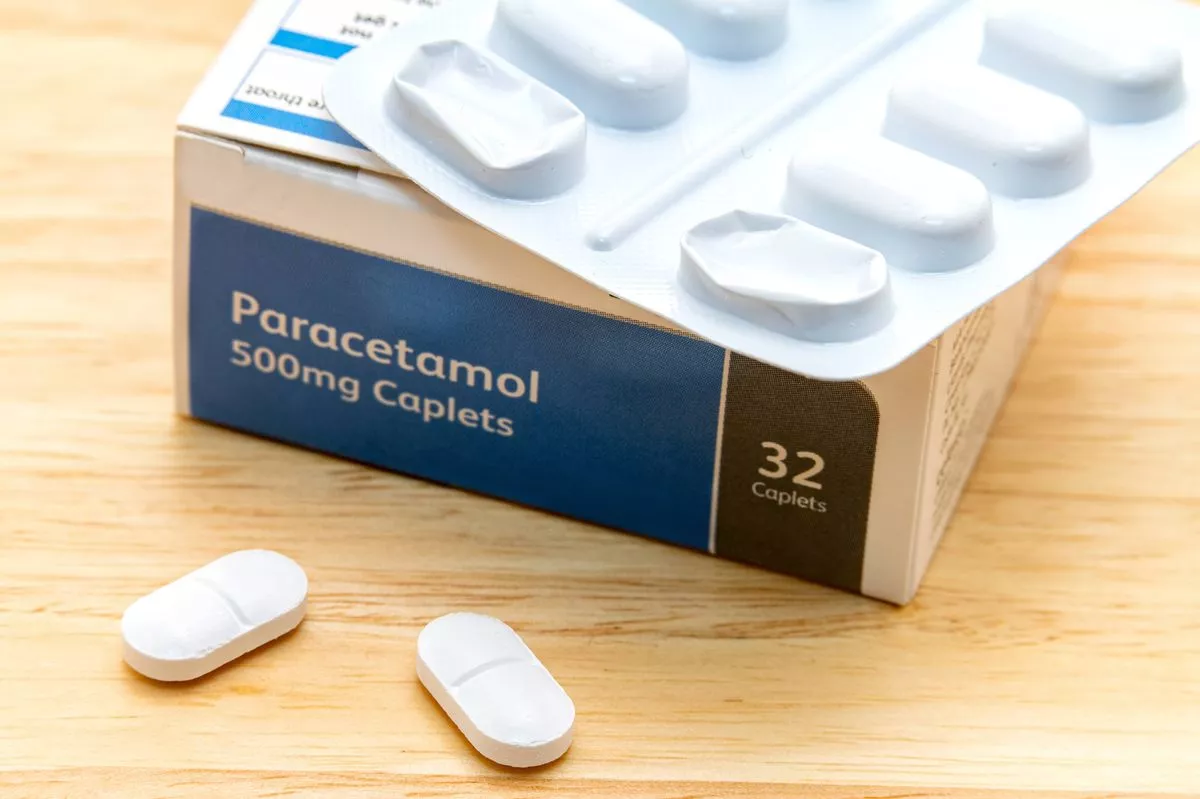 People have been issued a paracetamol warning (stock image)(Image: clubfoto via Getty Images)
It’s widely recognised that flu cases have surged this winter, leading to a sharp rise in hospital admissions due to the illness. However, if you’re battling a cold, cough, flu or any similar winter bug, there’s crucial information you need to know about taking medication.
A pharmacist has issued an important warning about paracetamol use during this time of year, as there are key facts about the widely-used medication that many people may not be aware of. Whilst it’s routinely taken by individuals to alleviate pain and reduce fevers, there are certain circumstances where you should avoid taking it.
A medical expert, known as Pharmacist Anum, has shared the essential health information the public needs to know. This comes after people were told to stay at home if they’re displaying certain symptoms.
In a video, the pharmacist said: “If you’re buying over the counter cold and flu remedies at your pharmacy, you need to watch this video. These are the things that you don’t want to mix with popular cold and flu remedies.
“So think things like Lemsip, Day Nurse, Benylin, anything like this, you do not want to be taking alongside paracetamol or any other paracetamol-containing medication. The reason being is that they already contain paracetamol.
“So, if you’re taking paracetamol in addition, you’re running the risk of overdosing. You also want to be careful with night-time specific remedies.”
Content cannot be displayed without consent
She continued: “Things like Night Nurse, Benylin Night, cough syrup, to name a few. These often contain sedating antihistamines, so please do not take any antihistamines on top of this.
“What are antihistamines? Things like cetirizine, loratadine, fexofenadine. All that will happen is it will make you so much more drowsy, and increase the risk of side effects.
“If you’re ever unsure, speak with your pharmacist.” In essence, that’s everything you need to know to navigate the winter months safely.
When should you steer clear of paracetamol?
Whilst paracetamol can help ease flu symptoms, it’s crucial to avoid taking too much, as numerous cold and flu treatments already include paracetamol. The important thing is to always examine the label of any multi-symptom medication.
Never combine paracetamol with other products containing paracetamol to prevent overdose, and always consult a pharmacist if you’re uncertain. The NHS provides guidance on this matter as well.
The NHS website advises: “A pharmacist can give treatment advice and recommend flu remedies. Do not take paracetamol and flu remedies that contain paracetamol at the same time, as it’s easy to take more than the recommended dose.
“Antibiotics do not work for viral infections such as flu. GPs do not recommend antibiotics for flu, because they will not relieve your symptoms, or speed up your recovery.”
It also highlighted that flu typically resolves itself over time; however, it can cause severe illness in some individuals. This underscores the importance of receiving the flu vaccine if recommended.
For further information on colds and flu, consult the NHS website. A pharmacist or GP can also provide guidance on managing symptoms more effectively.