
Here at Live Science, we have created a guide to 22 gifts for nature lovers to give you some ideas of what to buy other people, but what about you?
Items like cameras, binoculars, and telescopes aren’t impulse buys, and certainly not stocking fillers. They are also very personal purchases, and often expensive. Trusting someone else to make the right choice on your behalf is a gamble, and frankly, we wouldn’t always recommend it.
We do, of course, have individual guides to the best cameras, best binoculars, and best telescopes, but this guide has been curated based on what our editors would buy for themselves — and have, in some cases — in each of the categories below.
Binoculars
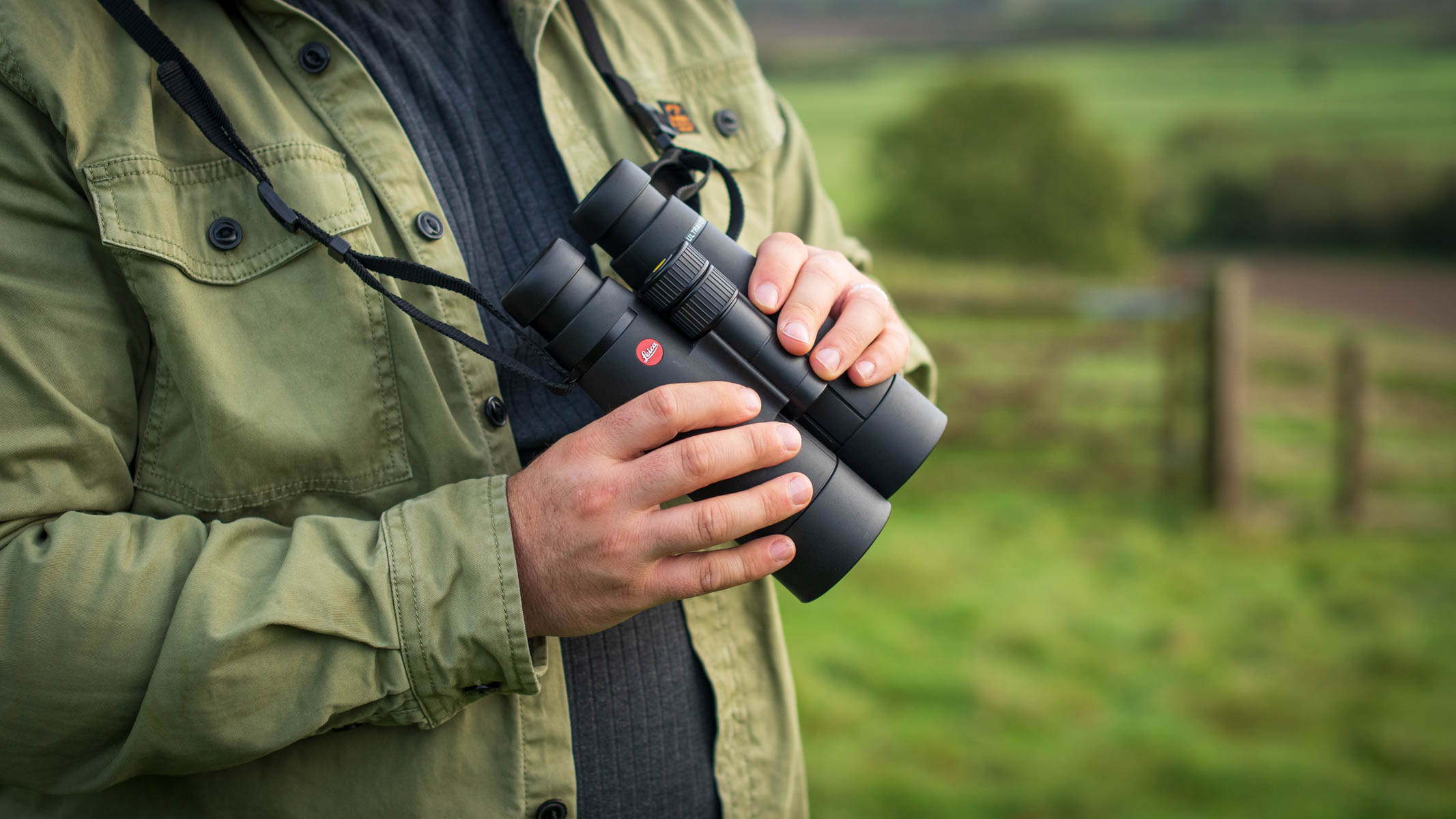
We don’t expect there are many people with friends who would buy them the premium Noctivid 10×42 binoculars. (Image credit: Jase Parnell-Brookes)
This first section is for skywatchers who don’t want a telescope, as well as wildlife watchers and birders. Other people might think they know what you want, but it really pays to do the research for yourself. Binoculars aren’t just about how powerful they are.
Binoculars vary depending on their purpose. Stargazing, birding, wildlife spotting and sports viewing will all require different objective lens sizes, have more suitable fields of view, and require different quality glass and coatings. For example, a pair that is ideal for astronomy might be too heavy and impractical for long walks, while compact travel binoculars might fall short under dark skies.
Comfort is also a crucial consideration. Weight, balance, eyecup design, interpupillary distance (will you use them whilst wearing spectacles?) and grip all affect how long you can comfortably use a pair of binoculars for. These are things only you can judge.
Comfort aside, optical preferences are personal, too. Some people might prioritize brightness, whereas others prefer edge-to-edge sharpness or excellent colour accuracy.
Binoculars are typically a long-term investment. A well-chosen pair can last decades. It’s worth making sure they suit your needs now and into the future. Here is a list of binoculars that we believe strike the perfect balance between performance, versatility, and ease of use. Each one is a standout choice in its category.
Telescopes
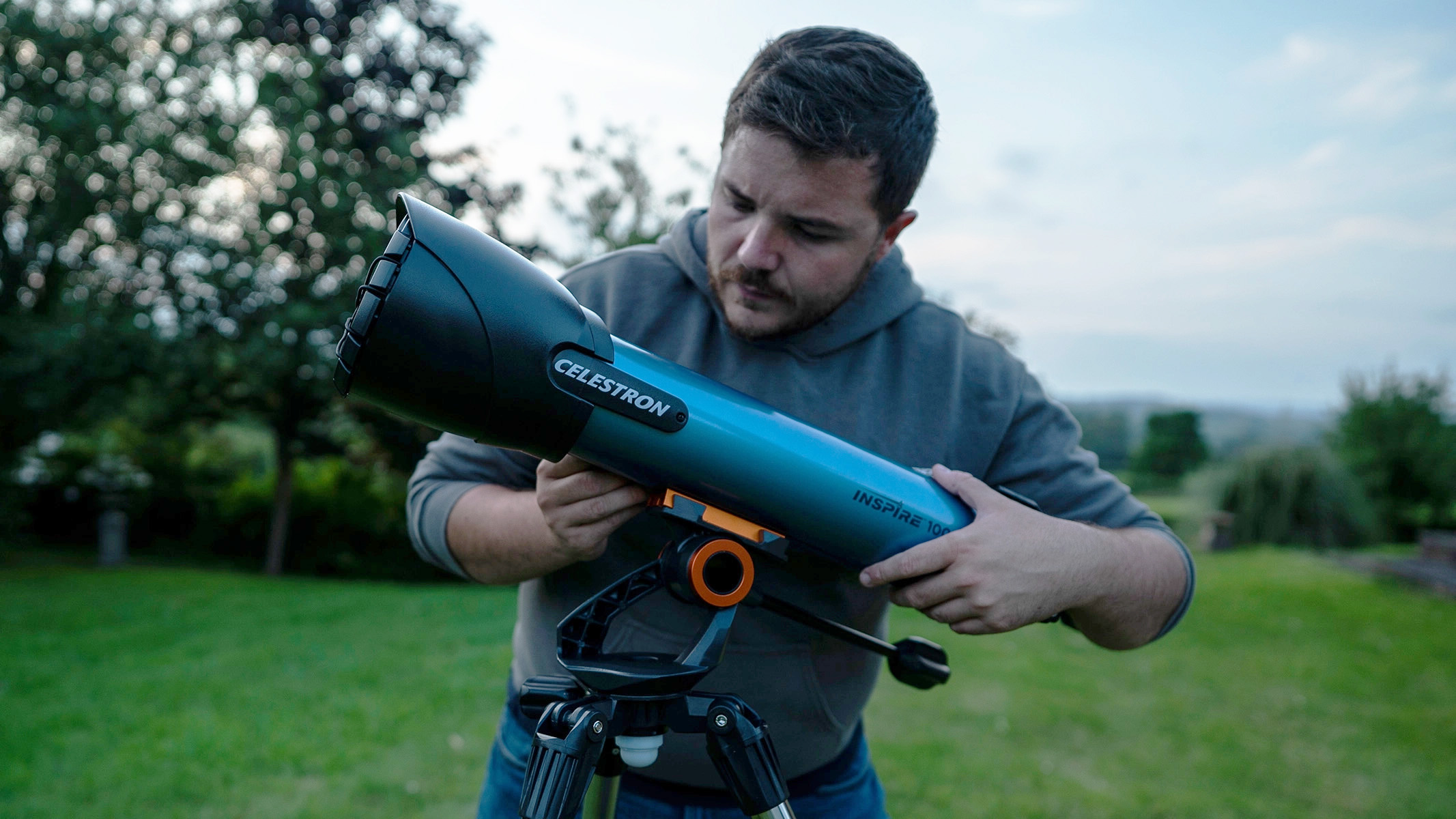
Award-winning astrophotographer Josh Dury recommends the Celestron Inspire 100AZ for beginner astronomers. (Image credit: Josh Dury)
Next up, we have telescopes — and as previously touched on, which is the right telescope for you depends on exactly what you want to observe.
Do you want to see local planets and the moon, or deep-sky objects? Do you want to use it for astrophotography? Do you need to move it from A to B often? Do you have space to store it in your house, assembled or not? There are lots of things to consider. Things which others might not think of.
Telescopes also have different experience requirements. Some are usable right out of the box, whereas others are reserved for advanced users. A well-meaning gift can be too complex, causing the recipient frustration, or too basic, making it difficult for a budding astronomer to advance. Only you know your experience and/or patience level.
When so much money is being spent on telescopes, whether it is your own or not, there should be no compromises. You want something that will provide enjoyment on every clear night you can be outside. Here are some of our recommendations.
Cameras

Treat yourself to your dream camera this Christmas. (Image credit: Kimberley Lane)
A camera is another (and probably the most important) purchase in this guide that is best made by you, rather than guessed at by someone else. You want something that matches your skill level and ambition. Plus, photography is intensely personal, and it is difficult to buy a camera for someone else.
Each style of camera, and even each manufacturer, will have its own particular strengths. Ergonomics also matter. Button layouts and menu styles are a matter of personal preference. Specs like autofocus systems, number of megapixels and ISO handling will depend on the style of shooting. Even questions like how your computer handles image files are things only you will know the answer to (and the frustration of your computer not being able to cope!). If you’re already a photographer with an ecosystem of lenses and accessories, you don’t want to have to change that because someone thought they were doing the right thing by getting you an “upgrade”.
Finally, it goes without saying that cameras are expensive. Buying your own camera gives you the exact tool to suit your vision as a photographer. Here are some of our recommendations for self-gifting.