Text to speech audio articles made possible by CAST11 Talking Glass Media
Tickets are now on sale for Spring 2026 shows at the Jim and Linda Lee Planetarium, located on Embry-Riddle Aeronautical University’s Prescott Campus, in STEM Building 76, at 3700 Willow Creek Road.
This season of shows at the planetarium explores the many ways we see the universe — through creative artistry, scientific observation, or a mixture of both. Whether you are interested in the romantic side of the night sky or the powers of baseline interferometry, you will find a program to fit your interests.

The planetarium’s online ticketing system allows audiences to select their seats in advance for upcoming shows. All shows are open to the public and are held most Friday evenings and Saturday afternoons.
For details, or to reserve your tickets today, visit: https://prescott.erau.edu/planetarium.
Showtimes and dates for the Jim and Linda Lee Planetarium Spring 2026 season include:
Science Speaker Series: Ashley Elliott
Friday, Jan. 9: 6 p.m.
Ashley Elliott will introduce what long baseline optical interferometry is, how it works, and what we can do with it. Long baseline optical interferometry allows astronomers to see objects in the universe at a very high angular resolution. Using this technique, we can measure stars with extreme precision, track orbits of binary stars, and even detect exoplanets. She will also present how she uses this technique for her dissertation research at Louisiana State University to explore exoplanet host stars.
Whale Super Highway
Friday, Jan. 23: 6 p.m. and 7 p.m.
Saturday, Jan. 24: 2 p.m., 3 p.m., and 4 p.m.
Friday, April 17: 6 p.m. and 7 p.m.
Saturday, April 18: 2 p.m., 3 p.m., and 4 p.m.
Whale Super Highway follows humpback whales and blue pygmy whales on their 4,000-mile migration down the coast of Western Australia to the freezing waters of Antarctica and back again. Whale Super Highway provides a stunning look at life in the waters of Western Australia. It reveals fascinating information about whales — while underscoring how much we still have to learn.
Across the Visible Universe
Friday, Jan. 30: 6 p.m. and 7 p.m.
Saturday, Jan. 31: 2 p.m., 3 p.m. and 4 p.m.
This show is all about the concept of size and distance when it comes to the universe. Starting at Earth, we will fly farther and farther away from home, encountering the incredible structures that populate the cosmos, traveling right to the edge of our visible knowledge of what surrounds us.
Observer
Friday, Feb. 6: 6 p.m.
Saturday, Feb. 7: 2 p.m. and 4 p.m.
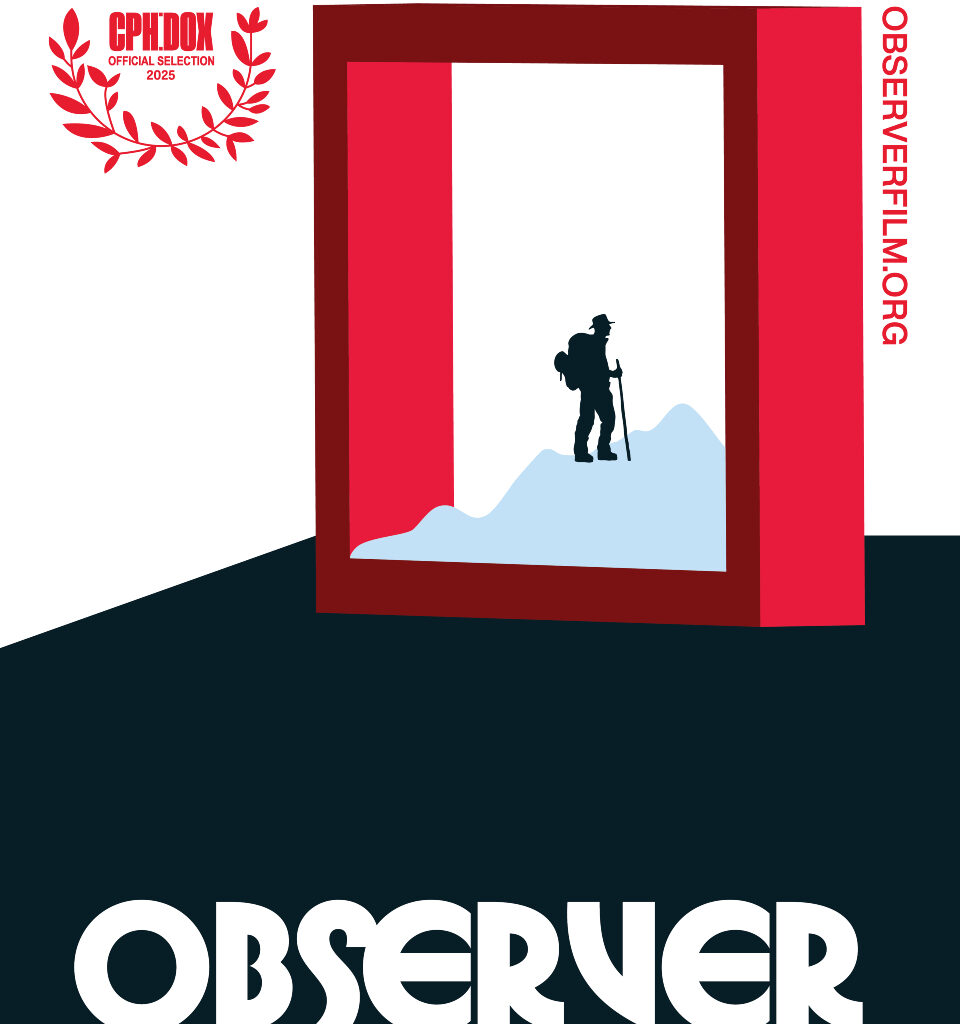
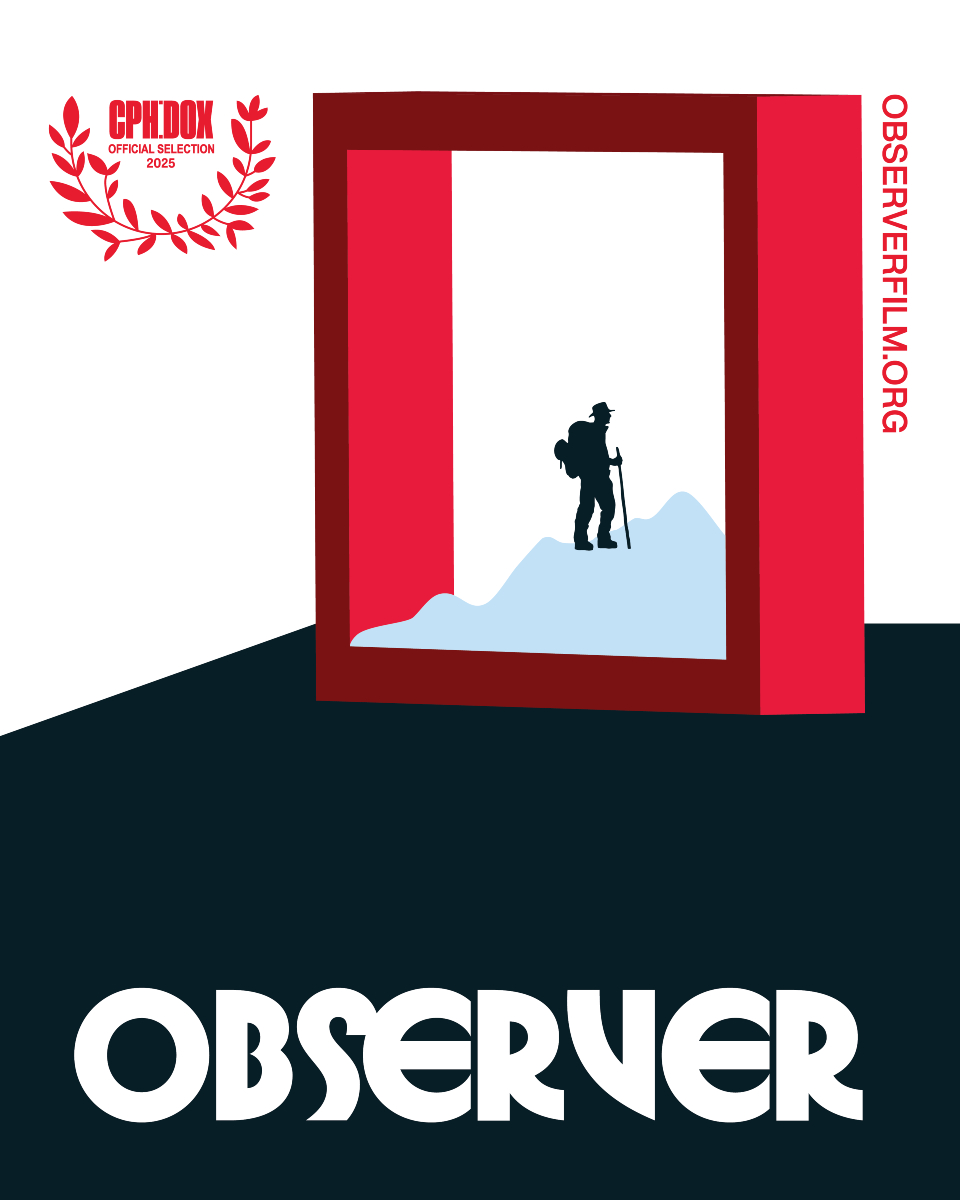
Filmmaker Ian Cheney embarks on an experiment in which he brings a series of keen-eyed observers – scientists, artists, a hunter – to a range of locations around the world, often without telling them where they are going, and asks them simply to describe what they see. What unfolds is a deep exploration and celebration of the power of observation: what happens when you find new ways to sense and perceive the world around you?
Romance Among the Stars
Friday, Feb. 13: 6 p.m. and 7 p.m.
Saturday, Feb. 14: 2 p.m., 3 p.m. and 4 p.m.
The universe may be cold and empty, but it is not without its spots of fire, fury, and frenzy. Join us as we travel across the cosmos this February to visit some of the most romantic spots and situations in space.
The Arctic
Friday, Feb. 27: 6 p.m. and 7 p.m.
Saturday, Feb. 28: 2 p.m., 3 p.m. and 4 p.m.
Imagine a place in America that is vast, wild and untouched, where some of the world’s greatest wildlife spectacles unfold. For five years Florian Schulz has lived in the Arctic to film this land and reveal it to audiences around the globe. Join Florian as he tracks the Porcupine Caribou herd on the longest animal migration on Earth and witnesses pregnant female polar bears denning along the coastal plain.
Prescott Regional SciTech Fest
Saturday, March 7: 10 a.m. – 3 p.m.
This free, fun-filled, educational event features interactive science, technology, engineering, art, and math exhibits and demonstrations. No need to sign up. Just show up to Embry-Riddle’s Prescott Campus during the time of the festival and enjoy the hands-on activities and demonstrations.
Free tickets to planetarium shows occurring throughout the morning and afternoon will be provided on-site to festival guests. A planetarium show for young children and their families, Our Friends the Planets, will occur at 11 a.m., while a show for general audiences, Uncovering Black Holes, will occur at 1 p.m. and 2 p.m.
Jane Goodall’s Reasons for Hope
Friday, March 13: 6 p.m. and 7 p.m.
Saturday, March 14: 2 p.m., 3 p.m., and 4 p.m.
This movie is an uplifting journey around the globe to highlight good news stories that will inspire people to make a difference in the world around them.
Featured stories such as the Northern Bald Ibis’ migration over the Alps, the re-introduction of the American Bison by the Blackfeet Nation, the worldwide recognized Sudbury Regreening Story and inspiring youth-led initiatives involved in Jane Goodall’s Roots & Shoots align with historic footage of Jane’s beginnings as a chimpanzee researcher.
Rising Stars of Prescott
Friday, April 3: 7 p.m. and 8 p.m.*
Saturday, April 4: 2 p.m., 3 p.m., and 4 p.m.
*Apr. 3 shows will start later than normal to ensure dark skies for telescope viewing following the programs.
Are you interested in getting to know your night sky? This live planetarium program will show you what constellations, planets, meteor showers and more will be coming to the Prescott skies for your viewing pleasure. The content for this program changes every month it is shown. Telescope viewing will be available after the evening shows, weather permitting.
Planetarium Director Eric Edelman will be creating and presenting this program.
The Cosmic Webb
Friday, April 10: 6 p.m. and 7 p.m.
Saturday, April 11: 2 p.m., 3 p.m., and 4 p.m.
In a live planetarium show, we will use the three movements of a London Symphony Orchestra recording of Rachmaninoff’s 2nd Piano Concerto to delve into three aspects of the universe James Webb is investigating with the best technology humanity has sent into space to date.
The Jim and Linda Lee Planetarium is the only Arizona planetarium north of Phoenix, capable of seating 116 students and visitors. The facility also contains multimedia learning software that can take viewers from the inner complexities of the human body to the farthest reaches of the known universe.
In addition to being an invaluable resource for the Embry-Riddle community, the Jim and Linda Lee Planetarium hosts events and programming open to the greater Prescott and Quad-City public year-round.
PLANETARIUM CONTACT:
STEM Outreach Office, Embry-Riddle Aeronautical University, Prescott, Arizona; (928) 777-3422; prstmout@erau.edu.
About Embry-Riddle Aeronautical University
Reporters worldwide contact Embry-Riddle Aeronautical University for content experts in all aspects of aviation, aviation business, aerospace, engineering and STEM-related fields. Our faculty experts specialize in unmanned and autonomous systems, security and intelligence, air traffic and airport management, astronomy, human factors psychology, meteorology, spaceflight operations, urban air mobility and much more. Visit the Embry-Riddle Newsroom for story ideas.
Embry-Riddle educates over 30,000 aspiring aerospace and aviation professionals at its residential campuses in Daytona Beach, Florida and Prescott, Arizona, and across more than 115 Worldwide Campus locations and online degree programs. In 2024, U.S. News & World Report named Embry-Riddle Worldwide the nation’s No. 1 provider of online bachelor’s degree programs among private universities. Our residential campuses hold multiple Top 10 rankings. All of our campuses have been ranked Best for Veterans.
Read more stories from Dining, Entertainment, Recreation, & Travel on Signals A Z.com!