
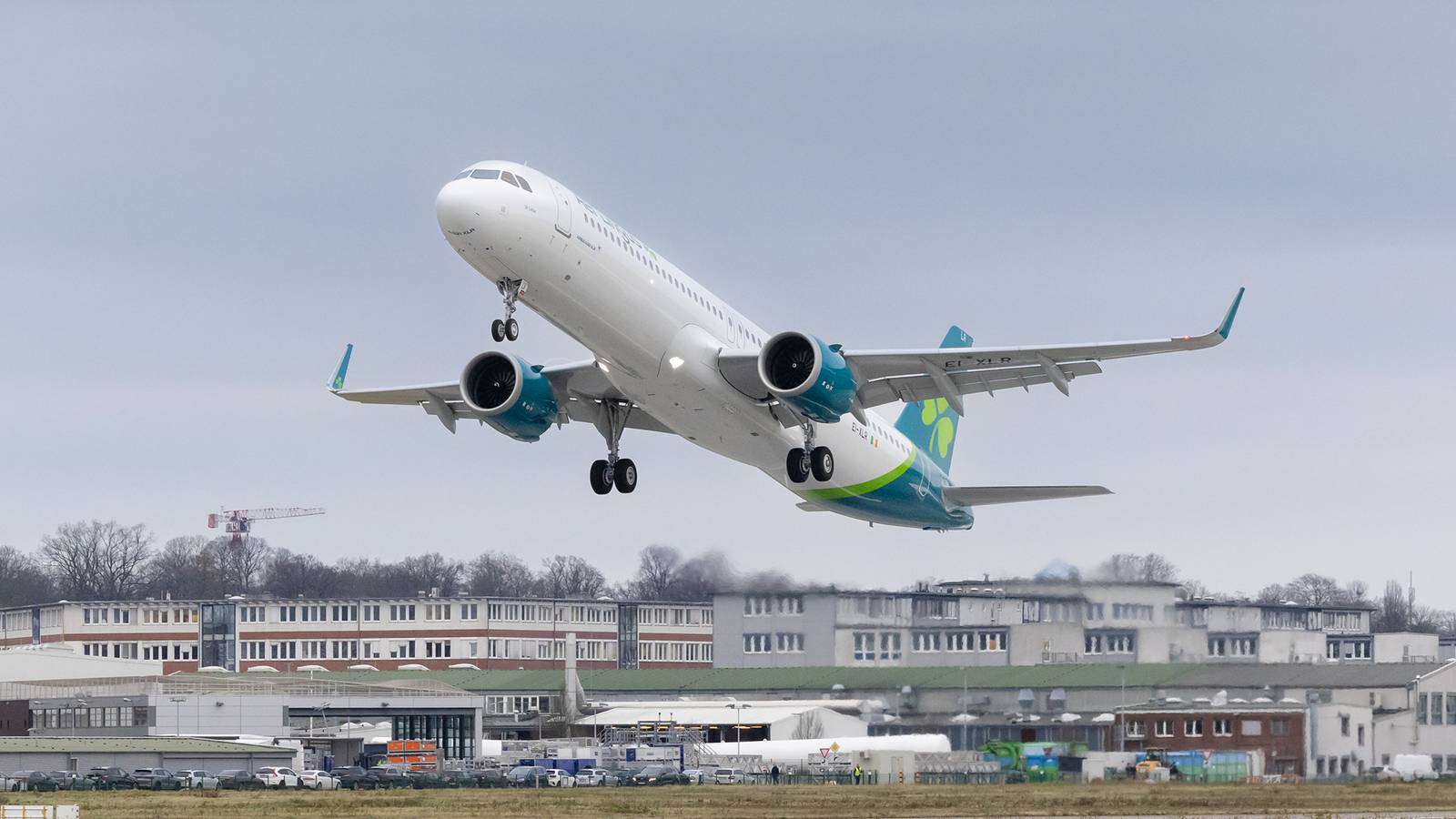
An  Aer Lingus A321XLR faces a multimillion-dollar repair bill following a very hard landing at
  Dublin Airport (DUB) last week. The extra-long-range narrowbody — one of its first two A321XLRs delivered to the Irish carrier 12 months ago — has reportedly suffered significant damage to its landing gear and will require a complete replacement.
The aircraft was recorded by plane spotters in Dublin making a heavy landing amid strong winds, which may have played a role in the accident. The plane’s load report apparently registered the landing with a force of 3.3G, far above safe limits and almost three times the force of a typical landing.
Aer Lingus A321XLR Hard Landing In Dublin
Credit: Airbus
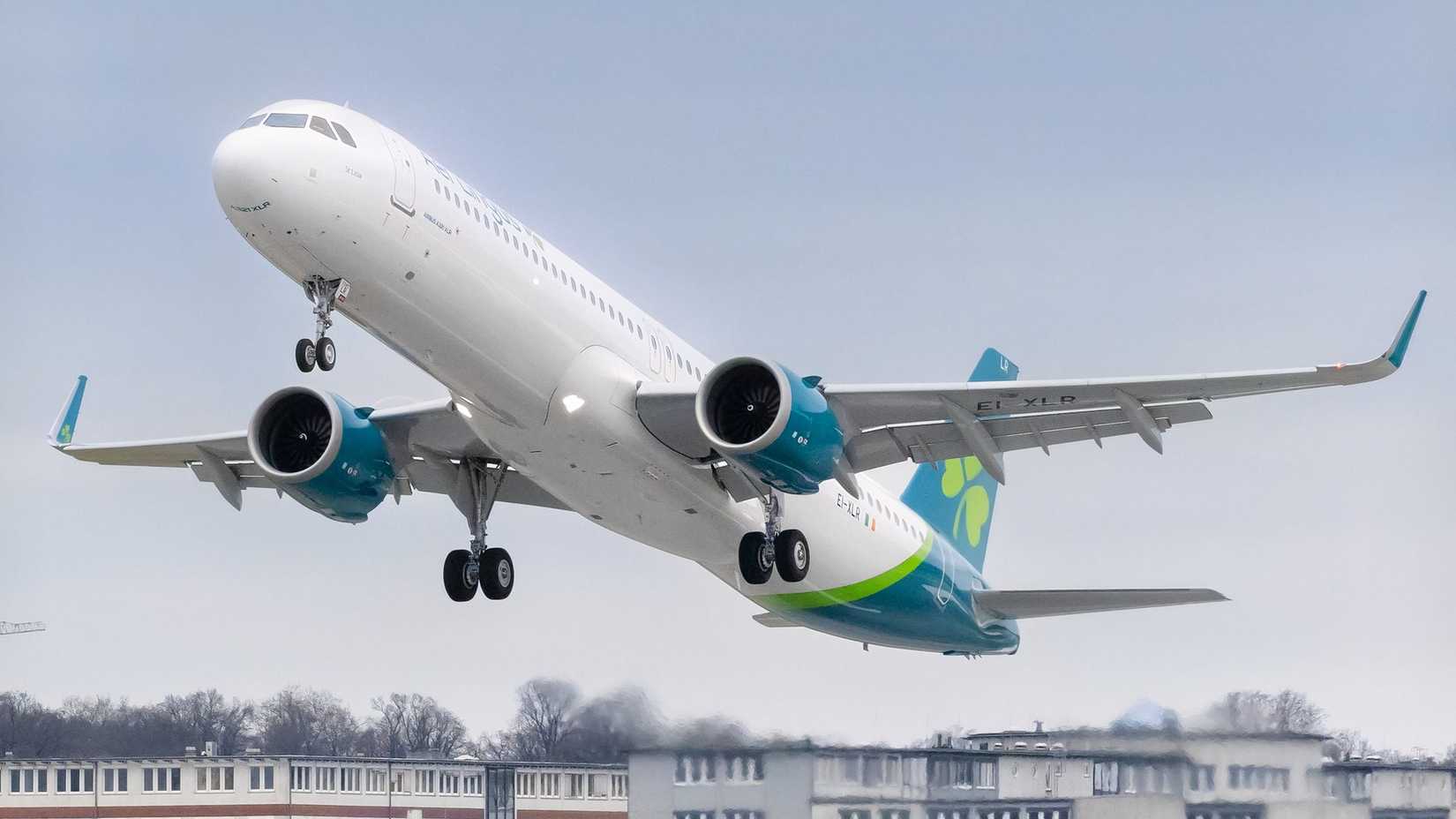
As first reported by X account Shauns_Aviation, one of Aer Lingus’ Airbus A321XLR planes faces a lengthy spell on the ground after sustaining significant damage to its landing gear during a hard landing. The aircraft (registration: EI-XLT) was flying from London Heathrow (LHR) to Dublin, arriving at Ireland’s busiest airport during a period of windy weather.
The landing was captured on video and shows the aircraft bounce heavily as its landing gear made contact with the runway. One commenter on X shared that the aircraft recorded a landing force of 3.3G, which undoubtedly pushes this incident into the ‘severe’ hard landing bracket.
The majority of landings fall within the 1.1-1.4G range, with most commercial jets certified to safely withstand around 2Gs of force. Anything above this will force a mandatory maintenance check and likely damage the aircraft. Simple Flying has reached out to Aer Lingus for comment and will update this story accordingly.
Costly Landing Gear Replacement
Credit: Shutterstock
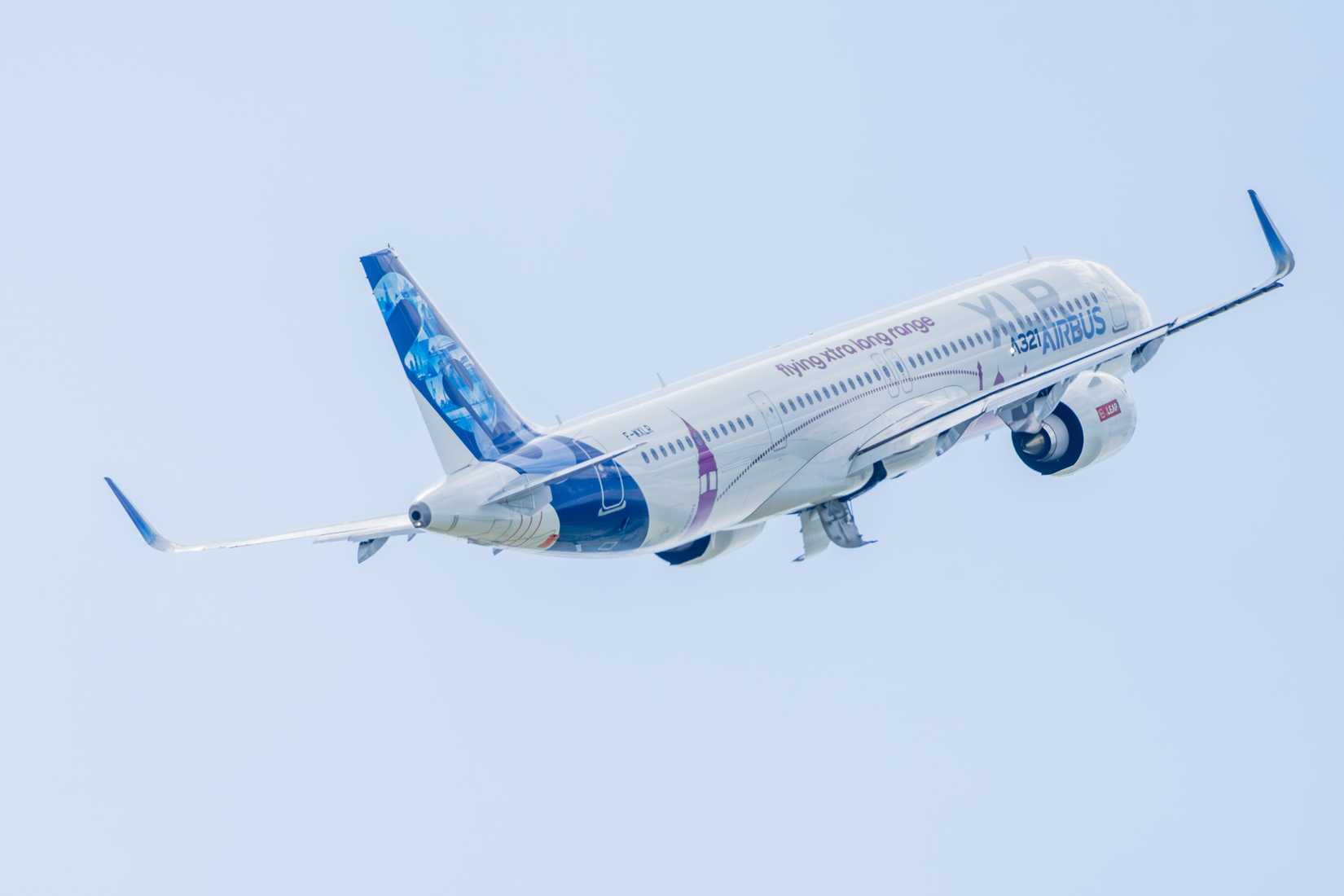
Given the force of the touchdown, the aircraft’s landing gear came under extreme weight and inevitably suffered significant damage. The landing gear is reportedly beyond repair, which means Aer Lingus will have to fit a brand-new one to EI-XLT. This is a costly process that not only involves the price of a new component, but also the added labor and maintenance costs.
The A321XLR has a reinforced landing gear to support its increased Maximum Takeoff Weight (MTOW), something that will add complexity to the replacement process. Taking all costs into account, the entire replacement process is likely to cost Aer Lingus millions.
The airline will also be counting the expense of having an aircraft grounded for an extended period of time. The cost of a brand-new landing gear will already sting for the Irish carrier, but the financial impact will only worsen the longer the plane remains grounded. The carrier has a total of five A321XLRs in its fleet as part of an overall commitment for six aircraft.
Related
Aer Lingus Receives First 2 New Airbus A321XLRs Headed For Nashville & Indianapolis Next Year
The Irish carrier hopes to receive all six A321XLRs by the end of 2025.
About The Aircraft Involved
Credit: Shutterstock
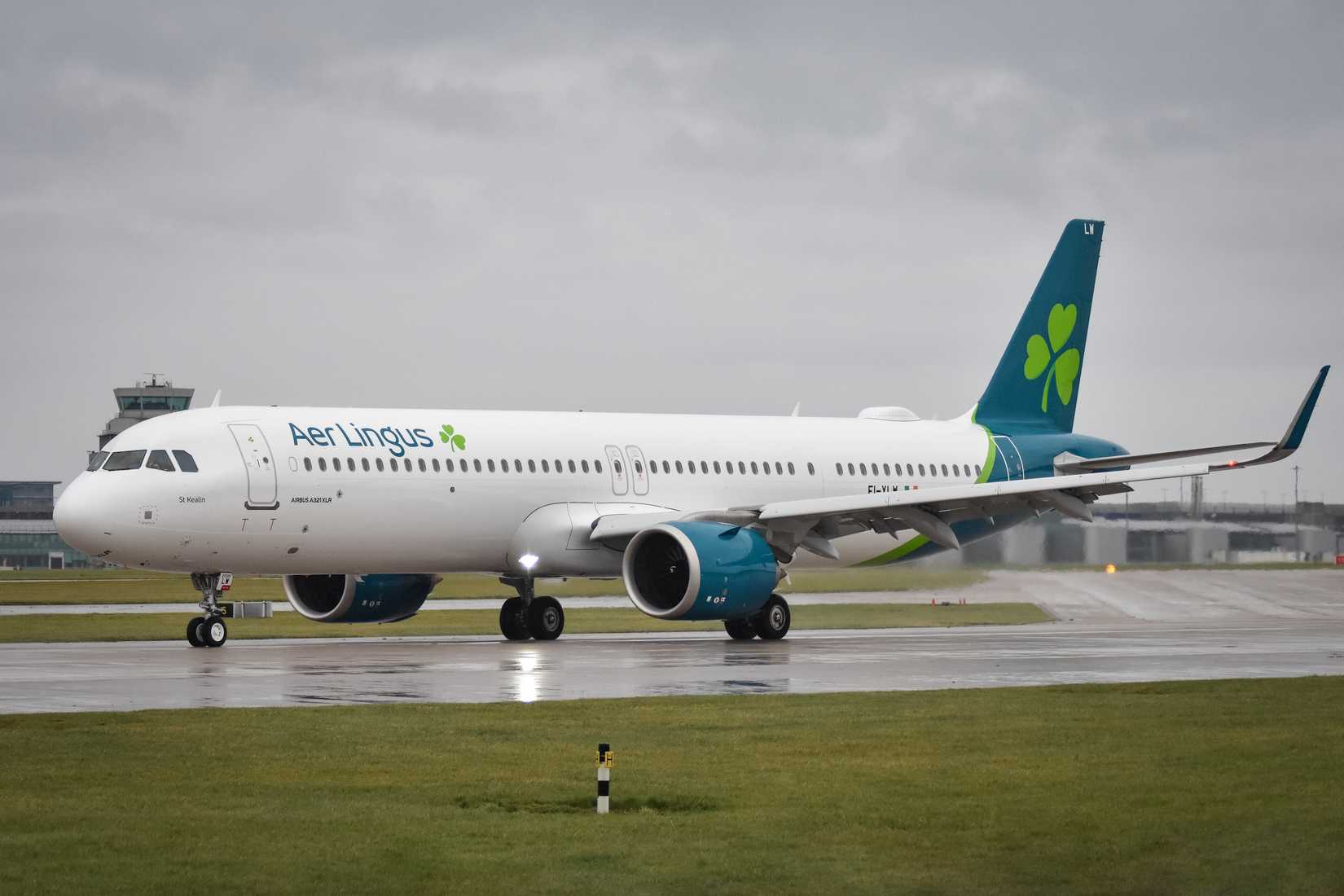
EI-XLT was one of the first two A321XLRs to arrive at Aer Lingus, touching down in Dublin on December 19, 2024. Having been in service for less than a year, data from Flightradar24 shows the aircraft was mostly active on flights to the US East Coast in previous weeks, along with the occasional European flight.
The aircraft remains on the ground at Dublin Airport since its December 13 flight. The airline’s A321XLRs can accommodate up to 184 passengers across two cabin classes. This includes a business class cabin with 16 fully lie-flat seats, as well as 168 in economy. Featuring Airbus’ Airspace cabin, the passenger experience on the A321XLR has generally been very good, particularly the 60% extra overhead storage space.
The A321XLR (eXtra Long Range) is the newest addition to Aer Lingus’ fleet, enhancing the airline’s capacity to operate new routes across the Atlantic. It made its debut with the Irish airline on services to Indianapolis and Nashville before rolling out to additional cities like Boston, New York and Washington (and Pittsburgh next summer). With an advertised range of up to 4,700 nautical miles (8,700 km), the A321XLR has truly changed the scope of narrowbody operations today, with some flights clocking in at up to ten hours.