
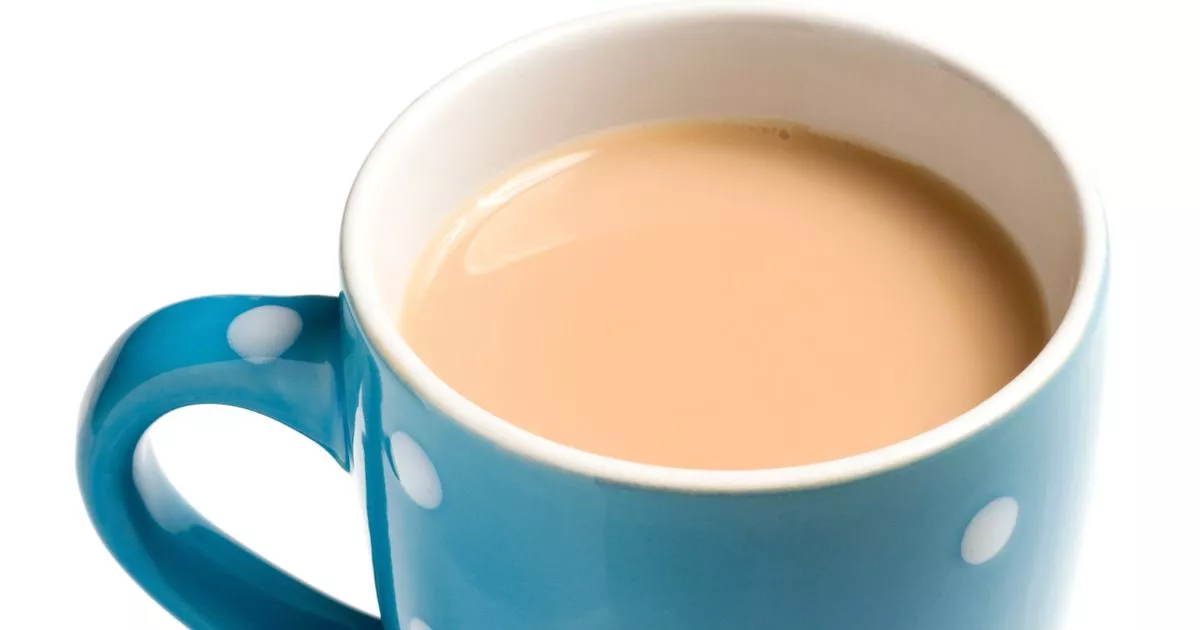
Research has found that some teabags release billions of microplastics when brewed, which can enter the body and potentially pose health risks.
11:00, 22 Dec 2025Updated 11:01, 22 Dec 2025
 Irish households love tea(Image: Getty Images)
As households across Ireland prepare for Christmas and cosy winter evenings, tea – one of the nation’s favourite beverages – has come under fresh scrutiny.
Research from the Universitat Autoonoma de Barcelona has found that drinking tea from certain teabags could release microplastics into the body, raising potential health concerns.
The study found that some teabags filled with tea leaves are steeped not just in flavour, but also in microplastics. As the teabags are brewed, tiny plastic particles are released into the water, and ultimately into the body when we drink
The Spanish researchers said: “The potential health implications of environmental micro/nanoplastics (MNPLs) are increasingly concerning. Beyond environmental exposure, other sources such as food packaging, including herbal teabags, may also be significant.”
Published in the journal Chemosphere last year, the study found that a single teabag can release billions of microplastics into the body.
During lab tests, most of these particles were absorbed by mucus-producing intestinal cells, but some were even able to enter the cell nucleus, where genetic material is stored.
The researchers stressed the importance of standardised testing and regulatory measures to reduce contamination, adding: “It is critical to develop standardised test methods to assess micro/nanoplastics (MNPLs) contamination released from plastic food contact materials and to formulate regulatory policies to effectively mitigate and minimise this contamination.
“As the use of plastic in food packaging continues to increase, it is vital to address MNPLs contamination to ensure food safety and protect public health. Overall, our findings contribute to a growing body of evidence on the pervasive nature of plastic pollution and its potential implications for human health.”
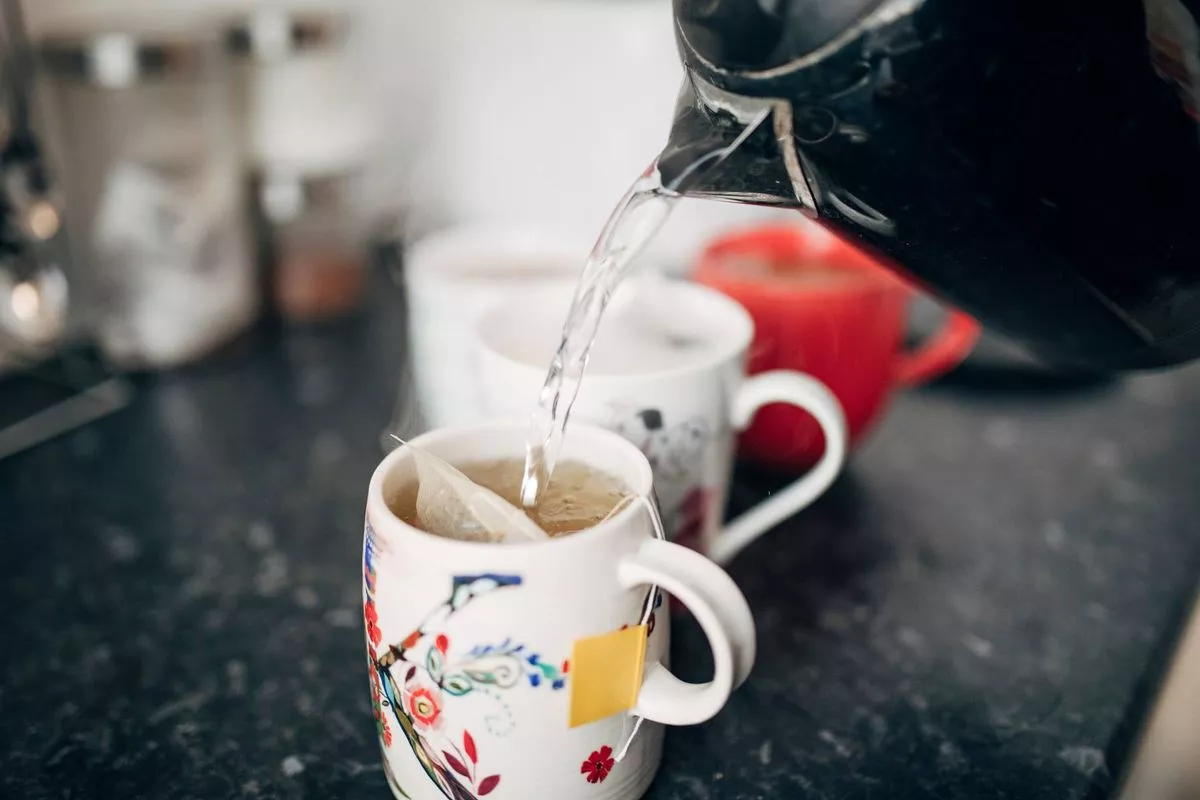 Cups of tea in a kitchen(Image: Getty Images/iStockphoto)
For the study, the team examined three widely available teabag types – A nylon teabag purchased from Amazon, a polypropylene bag from AliExpress and a supermarket teabag with an unspecified filter polymer.
In each experiment, 300 bags were placed into a 1-litre beaker filled with 600ml of water heated to 95C.
For more of the latest breaking news from the Irish Mirror check out our homepage by clicking here.