
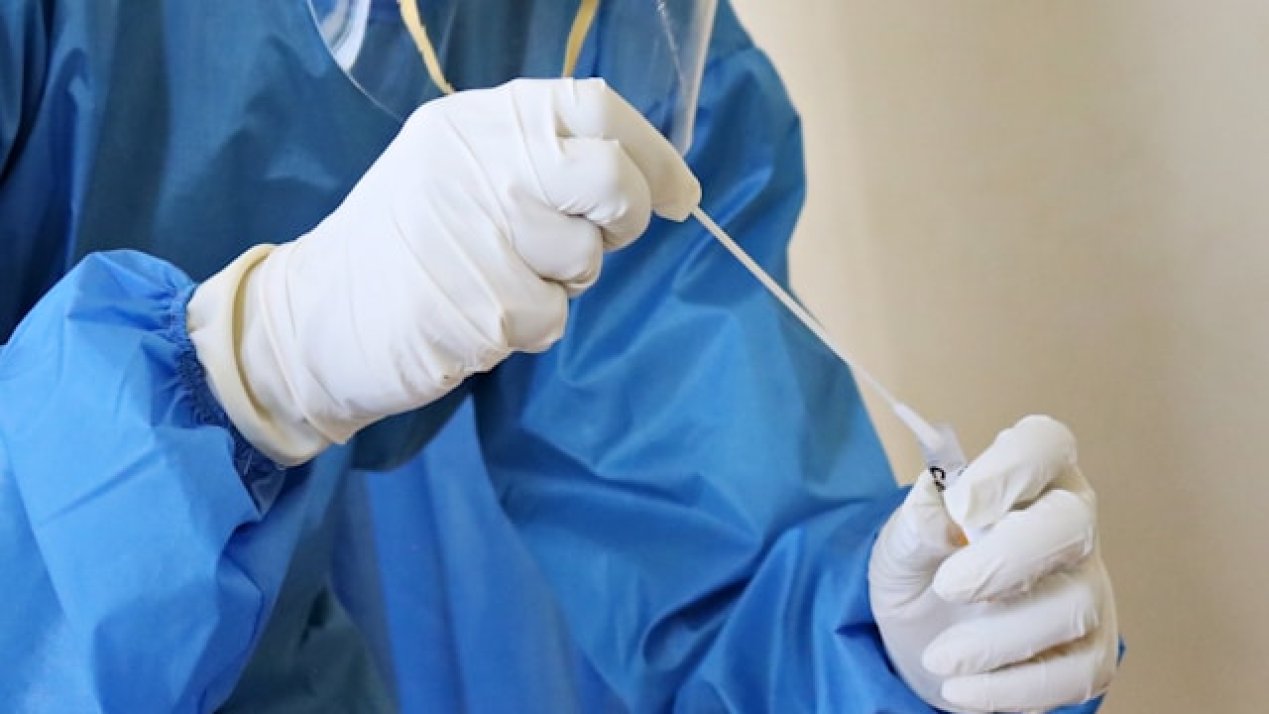
The World Health Organization reported 19 confirmed cases of Middle East respiratory syndrome coronavirus worldwide in 2025 through Dec. 21, including four deaths, while outlining broader efforts to manage coronavirus threats through sustained surveillance, research collaboration and long-term preparedness strategies.
WHO said the reported cases confirm that MERS-CoV “continues to represent a persistent threat” in areas where the virus circulates among dromedary camels, even as the organization maintains its overall global and regional risk assessment at a moderate level. Officials said the data reinforce the need for continued monitoring and coordinated public health responses rather than emergency-driven measures.
According to WHO, 17 of the 19 cases recorded in 2025 were reported in Saudi Arabia, which has remained the main focal point of MERS-CoV transmission since the virus was first identified in 2012. France reported two additional cases associated with recent travel to the Arabian Peninsula, a development that WHO said underscores the ongoing risk for travelers returning from regions where the virus circulates.
MERS-CoV is a zoonotic coronavirus transmitted primarily from dromedary camels to humans, with camels identified as the main animal reservoir. While most infections result from animal-to-human transmission, limited human-to-human spread has been documented, particularly in health care settings. Past outbreaks have often been linked to hospitals when infection prevention and control measures were insufficient.
WHO estimates the virus has a case fatality rate of about 37%, though outcomes vary based on patient characteristics, access to care and detection practices. The organization noted that the relatively low number of cases reported in 2025 does not eliminate the risk of future sporadic infections or small clusters.
The organization said its current assessment reflects both the limited scale of transmission and the continued presence of the virus in animal reservoirs. In regions where MERS-CoV circulates among camels, episodes of zoonotic transmission are ongoing, creating the potential for additional human cases.
In response to the continued circulation of MERS-CoV, WHO reiterated recommendations for constant epidemiological surveillance and timely public health responses, particularly in affected countries. The organization emphasized the importance of early detection of suspected cases, appropriate patient management and strengthened infection prevention and control protocols in hospitals and other health care settings to reduce the risk of person-to-person transmission.
The update comes as WHO shifts its broader approach to coronavirus threats from crisis response to sustained management. Earlier this month, the organization outlined a global strategy to manage coronavirus diseases through 2030, integrating COVID-19, MERS and potential new coronavirus threats into long-term national health programs. The strategy draws on lessons from five years of COVID-19 response and ongoing work on MERS and other respiratory pathogens.
Maria Van Kerkhove, Acting Director of the Epidemic and Pandemic Management Department, WHO, has said coronaviruses remain among the most significant infectious threats and should be managed within established respiratory disease programs, including influenza. WHO has encouraged countries to align national actions with its strategic framework to improve resilience and readiness for both routine transmission and potential future emergencies.
As part of efforts to strengthen research and preparedness, WHO recently added a MERS-CoV isolate to its BioHub System, a global platform created during the COVID-19 pandemic to facilitate voluntary sharing of pathogens with epidemic or pandemic potential. WHO said access to standardized biological materials supports research, surveillance and the development of diagnostics, vaccines and therapeutics, addressing long-standing challenges linked to the sporadic nature of MERS outbreaks.
The isolate added to the BioHub was derived from a camel and represents a variant currently circulating in animal populations, expanding research beyond strains that have not been detected in recent years. WHO said the BioHub System has engaged laboratories across multiple regions and has supported research during recent health emergencies by improving access to critical virus samples.
WHO has also expanded its Coronavirus Network, known as CoViNet, which supports surveillance and laboratory analysis for SARS-CoV-2, MERS-CoV and emerging coronaviruses. The network now includes 45 national reference laboratories across human, animal and environmental sectors, with 11 laboratories added in 2025. CoViNet operates alongside the Global Influenza Surveillance and Response System, which continues sentinel monitoring for respiratory viruses, including SARS-CoV-2.
At the national level, WHO pointed to recent preparedness investments as examples of the shift toward sustained management. Mexico, for example, received US$25 million from the Pandemic Fund’s third financing round to strengthen early-warning, surveillance and detection systems under a One Health framework that integrates human, animal and environmental health. Authorities said the funding will support modernization of epidemiological information systems, expansion of diagnostic capacity and reinforcement of laboratory networks, with a focus on border regions.