
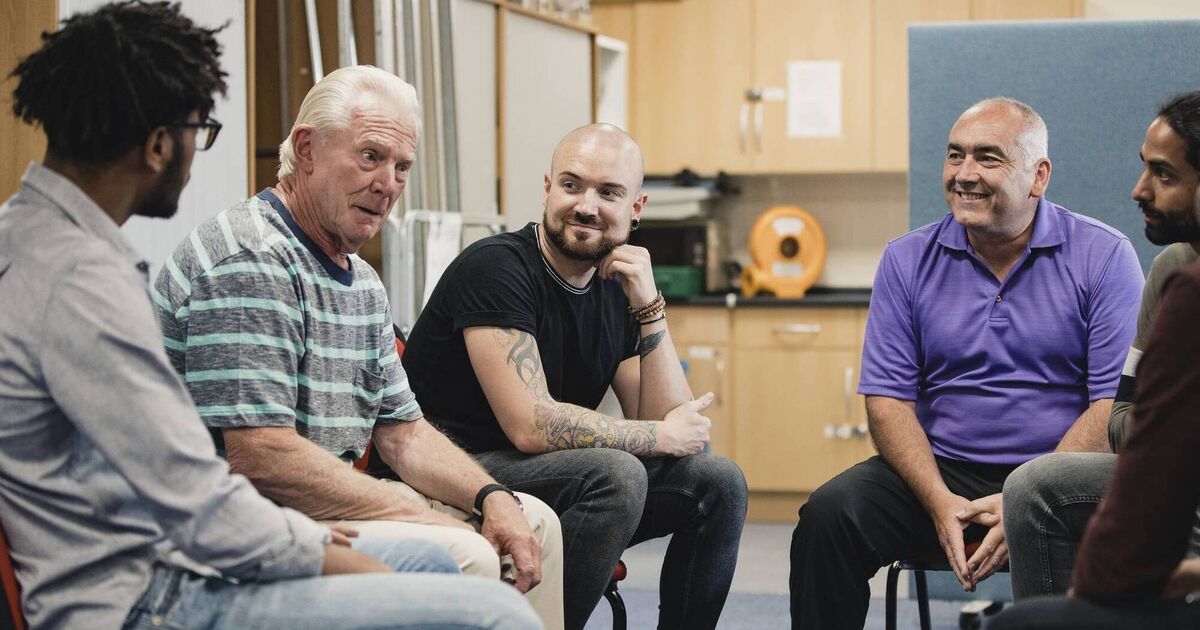
The week between Christmas and new tear is a quiet time of lost days, a time of pause or reflection. For many, it is a natural moment to take stock of wellbeing, mental health, and look towards a new year that’s healthier and more balanced.
For others, it is a time of loneliness, isolation, a disconnect from the normal routine that may leave some feeling vulnerable.
Think for a moment, have you ever been concerned about a friend, family member, colleague, young person or neighbour’s mental health, and not had the confidence or knowledge of what to do or what to say?
Many of us still feel deeply unprepared to help. We worry we will get dismissed, upset the person further, that we would say the wrong thing or make the situation worse. The result is silence, and silence can be far more harmful than saying the imperfect thing.
However, I remain positive and hopeful for the change that been evolving. There has been a quiet revolution of supporters being mobilised to offer this supportive, compassionate conversation when needed.
For more than a decade, Mental Health First Aid (MHFA) Ireland, has been training more than 30,000 MHFAiders across communities, workplaces, youth organisations, schools, and homes throughout Ireland.
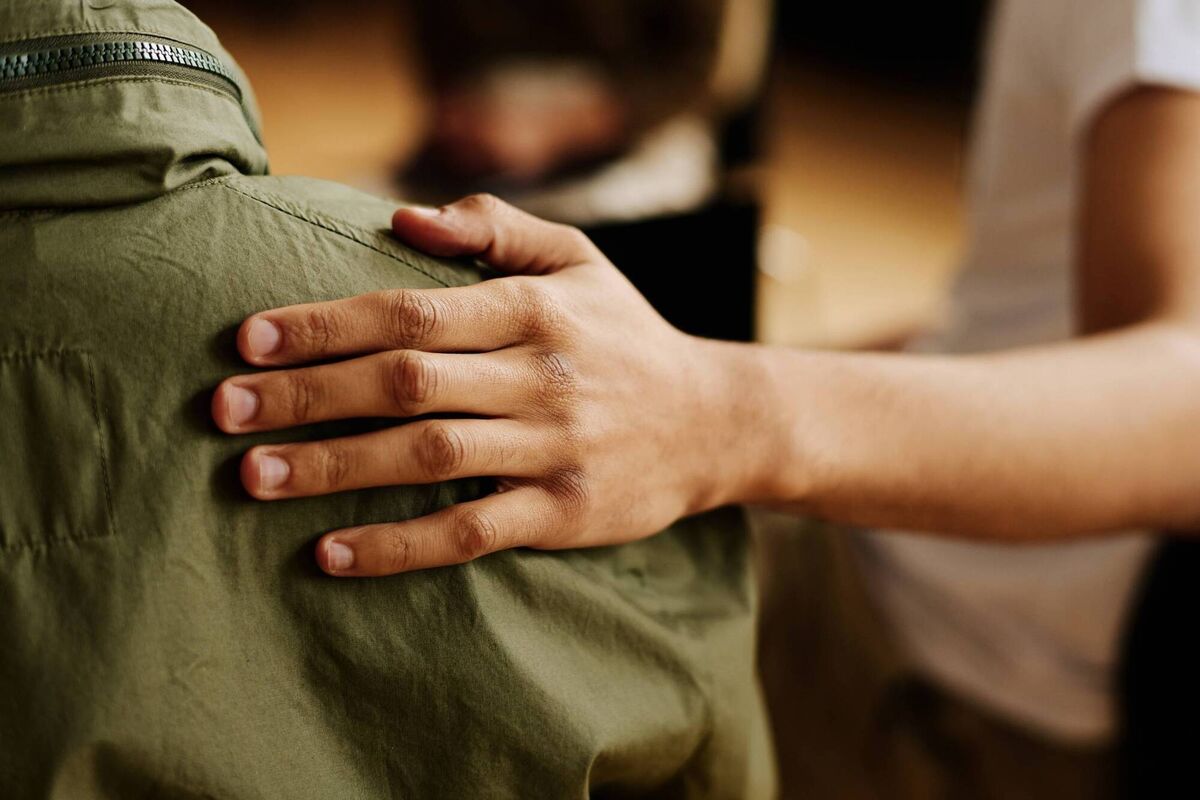 Workplace leaders are recognising the return on investment that comes with MHFA training. It supports staff wellbeing, reduces absenteeism and turnover, and contributes to more productive and supportive workplace cultures.
Created in Australia over 25 years ago, MHFA is now a global movement being delivered in over 50 countries worldwide to more than eight million people. This is a transformative endeavour to change minds and behaviours across society. To train ordinary people to be able to recognise a mental health problem, to respond with confidence and compassion, and to guide someone to the support they need.
This early intervention approach is practical, evidence-based and potentially lifesaving. A simple conversation can make a real difference. There aren’t doctors, nurses, or therapists on every corner of every street in Ireland, and a helpers actions can make a difference and even save lives.
As we endeavour to tackle complex mental health needs such as stress, loneliness, cost-of-living pressures and the still largely unknown legacy of the pandemic, this opportunity to support each other earlier is more essential than ever.
With employment rates being higher than ever, workplaces are uniquely placed to ‘meet people where they are at’, and to support employees and their families as they experience the ordinary human experience of emotional distress or mental health challenges.
Workplace leaders are recognising the return on investment that comes with MHFA training. It supports staff wellbeing, reduces absenteeism and turnover, and contributes to more productive and supportive workplace cultures. It makes sense at a human level, and it also makes strong business sense.
MHFA Ireland has established itself as the only licensed provider of mental health first aid in Ireland and works across the public and private sector. Public sector examples include the HSE, An Garda Síochána, city councils, education and training boards, the Irish Defence Forces, and various Government departments.
In the private sector, business leaders are heavily investing to create MHFAider programmes including companies such as ESB, IBEC, RCSI, Accenture, Boots Ireland, Deloitte, Coca Cola and VHI.
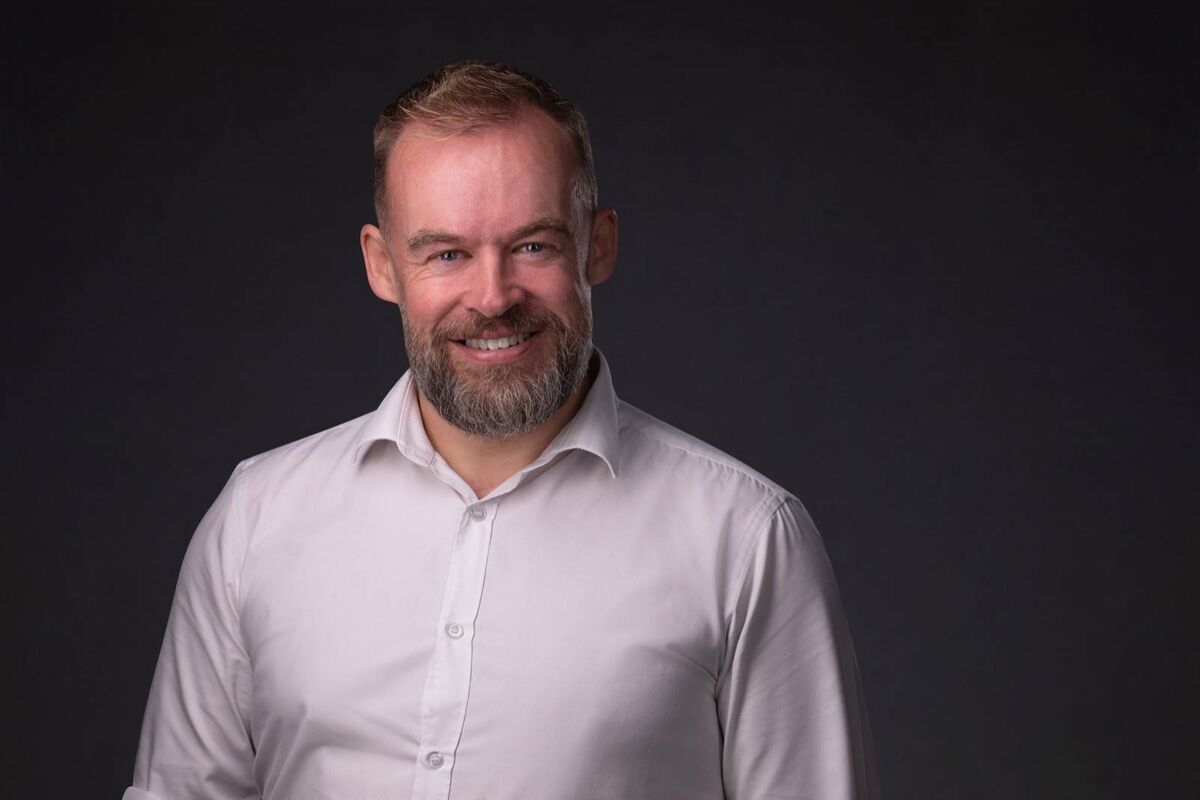 Donal Scanlan: ‘Early support can become a part of Ireland’s everyday life and you can all learn how to make a difference. Let’s all learn to ask more questions, be interested in each other, listen with empathy and signpost to the right kind of help, and we can change the trajectory of someone’s life.
These and hundreds of other companies are driving real cultural change through training. Some of these larger organisations are scaling MHFA Ireland training by embedding instructors with the likes of An Garda Síochána already training over 4000 people, ESB training over 450 people across 50 locations, the HSE funding seeing youth and adult MHFA being delivered to more than 5,000 members of community and voluntary sector organisations throughout Ireland.
Internationally, MHFA Ireland is currently the sole provider of MHFA training to the thousands of staff across the European Parliament, European Commission and the European Council. Worldwide, MHFA has seen tangible improvements to help giving behaviours, reductions in stigma and stronger community resilience.
Ireland has shown itself to have the expertise and the momentum to do the same, all we need now is the will to grow and expand learning in Ireland.
So, as we reflect on the year gone by, and look to the future of 2026 and beyond, some of us may be hopeful and energised, and some may have private struggles that no one else sees. If the last decade of Mental Health First Aid Ireland has taught me anything, it is that each of us has the power to learn to create safer, more compassionate spaces for those around us.
Early support can become a part of Ireland’s everyday life and you can all learn how to make a difference. Let’s all learn to ask more questions, be interested in each other, listen with empathy and signpost to the right kind of help, and we can change the trajectory of someone’s life. Mental Health First Aid is ‘For Anyone, For Everyone’.
If you would like to learn more, contact us here.
Donal Scanlan is head of Mental Health First Aid Ireland