
The Apple Health app on iPhone is a powerful way to track all facets of your health. Whether it’s recording data from your Apple Watch, importing records straight from your doctor, or integration with third-party apps, there’s something for everyone.
Here’s how to get the most out of the Apple Health app, especially if you’re really trying to live healthier in 2026.
Apple Watch
This one is pretty self-explanatory. As you’d except, the Apple Watch and Apple Health go together hand-in-hand. While you can view a lot of your Apple Watch metrics in the Apple Fitness app, the Apple Health app gives you a more wholistic view of things.
The Apple Health app logs data from your Apple Watch like steps, heart rate, resting heart rate, and more. Whereas the Apple Fitness app focuses on giving you workout data, the Apple Health app offers an excellent view at things like historical data, trends, and more.
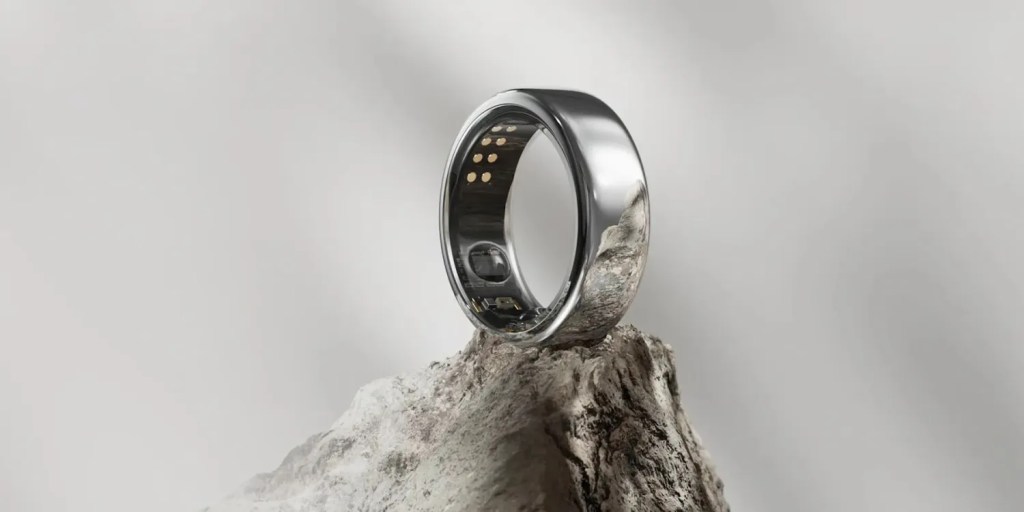
If you aren’t interested in Apple Watch, third-party fitness trackers can also able to integrate with the Apple Health. WHOOP is a great fitness band platform that ties into Apple Health. Smart rings are also an increasingly popular form factor for fitness trackers, including Oura Ring and Ultrahuman Ring.
Track more metrics
In addition to the data captured by wearables like the Apple Watch, there are other accessories that can record key vitals to the Apple Health app.
One of my most-used accessories is the Withings BPM Connect. I try and take my blood pressure on a daily basis, and the Withings BPM Connect makes that easy. I take my blood pressure and can rely on it to relay the results to the Apple Health app. There, I can monitor trends and draw conclusions based on other data for that day.
The OMRON Evolv is another popular blood pressure monitor with Apple Health integration, and it’s currently cheaper than the Withings BPM Connect.
The Apple Health app also supports integration with smart scales. I step on my scale every morning and know the data is being saved to the Apple Health app without any further action on my part. There are options in this category at virtually every price point. I’ve used a pretty basic Withings Body Smart Scale for years. Withings has other options at various price points, including the ultra high-end Withings Body Scan that tracks additional metrics.
I mostly try and stick to the Withings ecosystem, but there are smart scales from other companies too. The Wyze Scale Ultra is a popular option under $50, as is the Wyze Smart Scale X Butterfly under $33 right now.
While blood pressure and weight are the primary metrics I track using third-party accessories, the Apple Health app also integrates with smart thermometers, smart sleep tracking devices, glucose monitors, and more.
Here, you can add your medical records account to sync information to the Health app. Availability here will vary by your doctor. In general, most doctors and hospitals that integrate with MyChart should show up as an option.
Open the Health
Tap your profile picture in the upper-right corner
Tap “Medical Records”
Connect with your health records
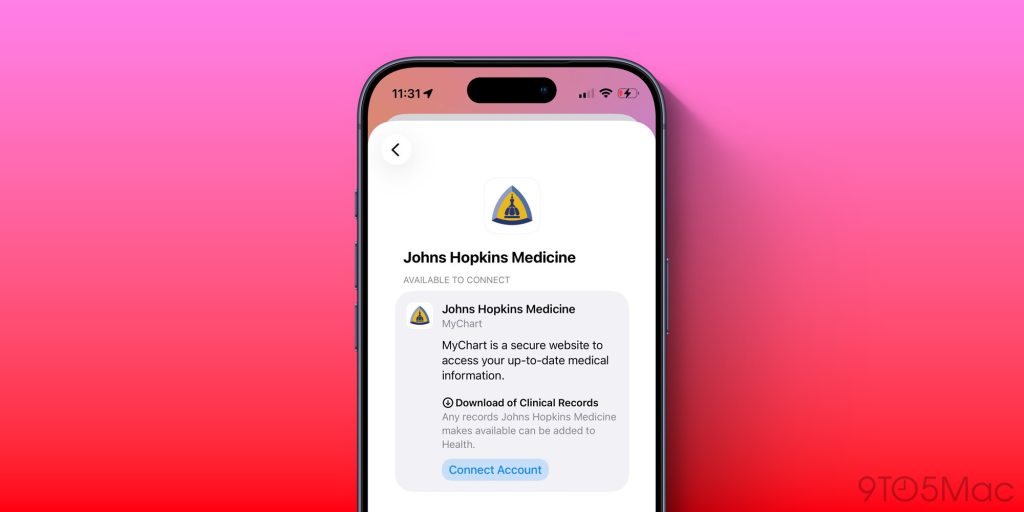
The Apple Health app can also integrate with medical records directly from your doctor. This includes lab results, allergies, immunization, medical conditions, procedures, and more.
Rearrange the Apple Health layout
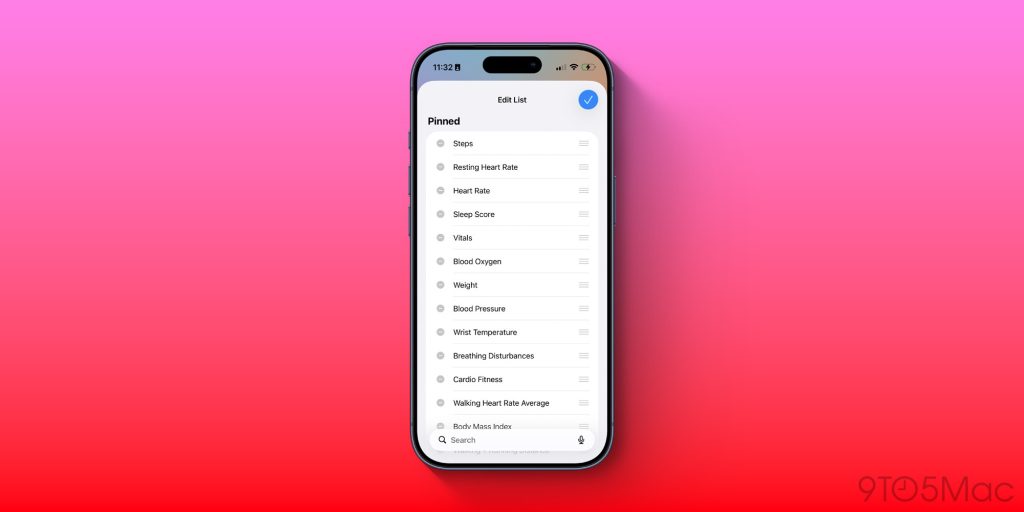
So, once you have all this data in the Apple Health app, it’s important to rearrange the layout so you see the most important data first. Then, you can choose manually dive deeper when time permits.
To do this, just open the Health app and look for the “Edit” button in the upper-right corner. Here, you can drag and drop different metrics to pin and arrange them as you see fit. For example, I like to have my step count at the top, followed by heart rate data, my Sleep Score, blood oxygen, weight, and blood pressure.
Once you have all your pinned metrics picked and organized, you can scroll down and choose “Show All Health Data” to dive deeper into things.
Manage data sources
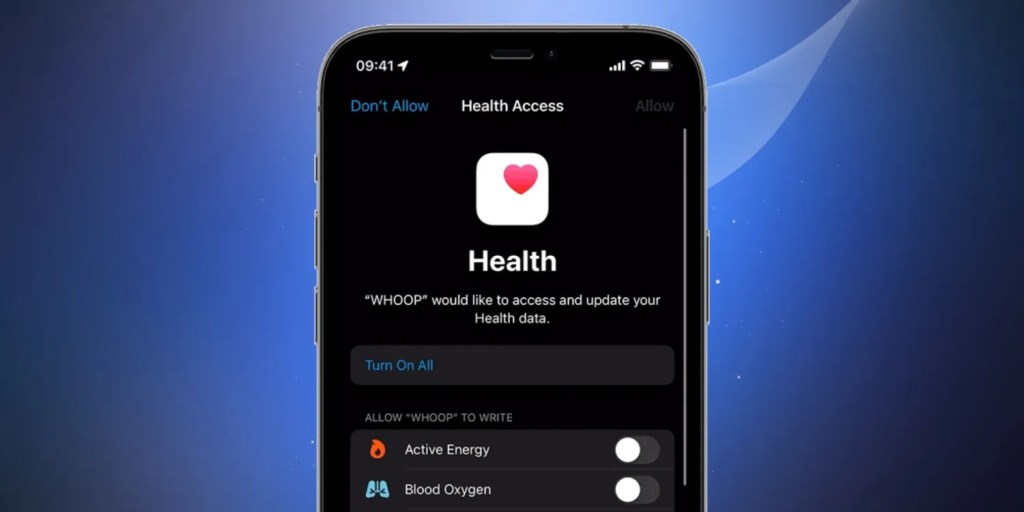
One important thing to do in the Health app is prioritize data sources and make sure you know when you have multiple apps or devices trying to write the same data.
Here’s how to manage which apps have read and write access to your Health app:
Open the Heath app
Tap you profile picture in the upper-right corner
Choose “Apps” and you’ll find granular controls for specific data types and apps
For example, I limit the Withings app to only writing weight and blood pressure data. I don’t want it to get cute and try and put any other data into my Health database.
You can also prioritize different sources for specific metrics:
Open the Health app
Tap on a metric
Scroll down and choose “Data Sources & Access”
Tap “Edit” in the upper-right corner
Here, you can pick and choose data sources. For some metrics, you can also prioritize different sources by dragging them..
Trends and Highlights
The Apple Health app will also proactively surface key Trends and Highlights. One of my current trends, for example, is I’ve “averaged more steps over the past 14 weeks.”
Highlights, meanwhile, focus on snapshots of recent data and live tracking of your progress. For example, one of my current Highlights is that I’ve taken “fewer steps than you usually do by now” today.
Medical ID and Sharing
In the Health app, you’ll find a “Sharing” tab in the bottom navigation bar. Here, you can choose to share Health data with someone in your life or with your doctor. You can pick and choose which specific metrics to share. You can revoke sharing at any time. All at a is encrypted and only a summary of each topic is shared, not specific details.
You should also take a minute to set up your Medical ID in the Apple Health app. This can be done by opening the Health app, tapping your profile picture, and choosing Medical ID.
You can choose to show your Medical ID when your iPhone is locked and share your Medical ID during an emergency call. Your Medical ID includes things like your age, allergies, medications, height, weight, and more.
Third-party apps
Finally, there are some excellent third-party apps that integrate with Apple Health to add specific metrics to your Health database. Some of my favorites include:
Apple Health recap
The Apple Health app is one of my favorite apps on my iPhone. I love how it ties together data from my Apple Watch, Oura Ring, and third-party apps and accessories like Withings. Instead of having to bounce around between multiple third-party apps, everything is available in Apple Health and I can quickly glance at it every day to know where my metrics stand.
Do you use the Apple Health app? Are you planning to use it to help conquer your 2026 goals? Let us know in comments below.
My favorite accessories right now:
Follow Chance: Threads, Bluesky, Instagram, and Mastodon.


FTC: We use income earning auto affiliate links. More.